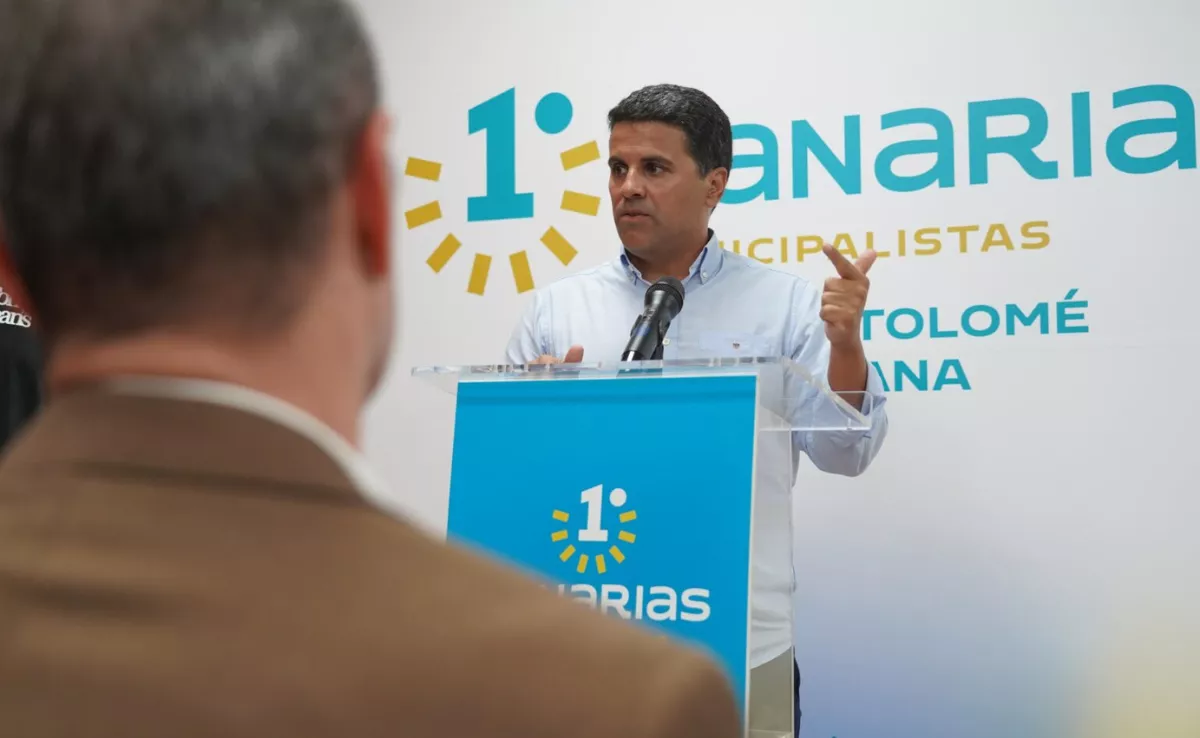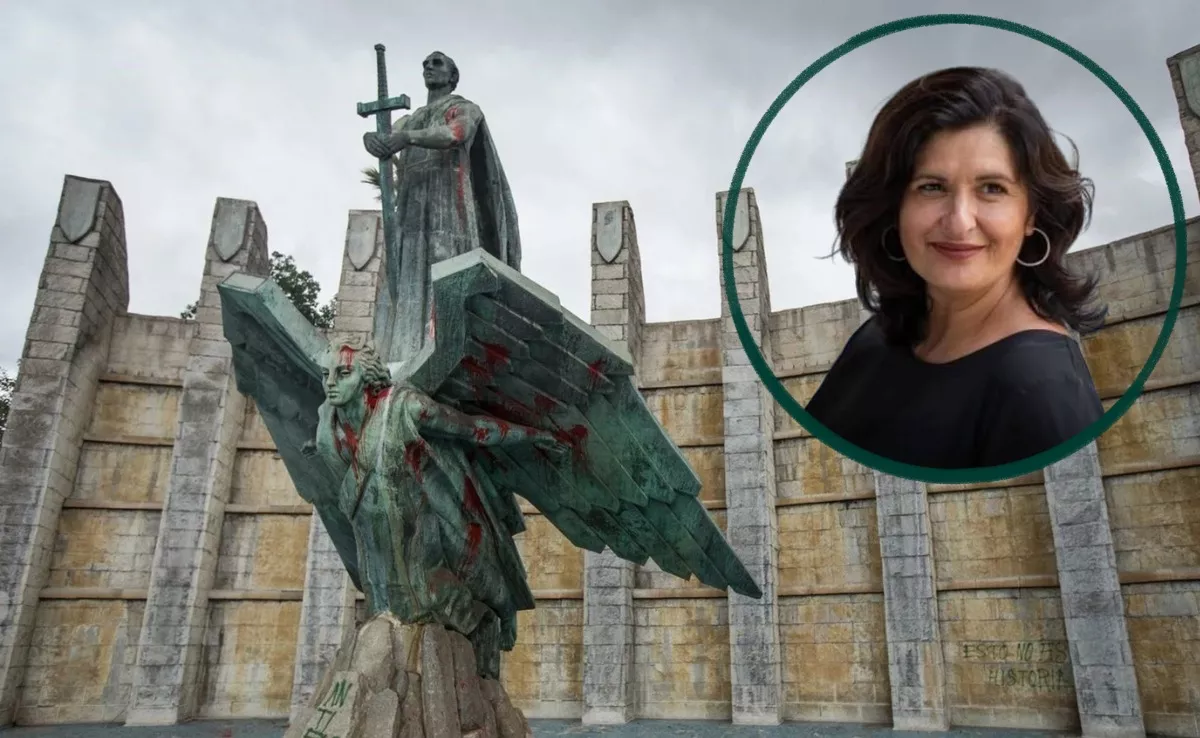
Luisi Castro, the Mayor of Güímar, has distanced herself from the controversy surrounding the Franco monument in Santa Cruz de Tenerife, arguing that the sculpture, created by Juan Ávalos, should be preserved as a piece of artistic and cultural heritage. Castro insists it is not about protecting a Francoist symbol, but rather “preventing a part of history and sculptural memory from being erased”.
When asked about the monument, she quickly referred to it as a “monument to peace,” maintaining that it was intended as such rather than a reflection of the dictatorship. “Here they call it Franco, but its designation is peace. I strongly advocate for what it represents as cultural and artistic heritage,” she said, highlighting the significance of the artist in evaluating the work.
Castro challenged the opinion of the Canary Islands government, which has deemed the sculpture insufficiently valuable to be classified as a Cultural Asset of Interest (BIC). “I absolutely disagree with the government commission’s assertion that it has no artistic or heritage value. It does, especially because of the artist’s worth,” she stated, emphasising the importance of learning from history rather than erasing it.
She lamented that the debate might end up in court, as expected between Santa Cruz City Council and higher authorities. “The minister has said they have six months to remove it, but this will likely end up in court,” she noted regarding the decision-making timeline.
According to Castro, this conflict illustrates a contradiction in a democracy, where the artistic value of a sculpture cannot coexist with reminders of history. She argued that the monument’s debate should not overshadow pressing urban issues such as housing, employment, and social cohesion, which residents urgently need. “There are more important matters, like housing, jobs, and improving social life—we’re here for that,” she asserted.
Castro also reflected on previous discussions about relocating the statue to Güímar, saying she would consider it if legally feasible, noting she has private land available. “If it’s possible, I would definitely take it,” she added, hoping to prevent the sculpture from being stored or dismantled without public engagement.
Regarding the cost of moving the statue, she mentioned it is valued at 45 million euros, distinguishing between the expense of taking it down and the sculpture’s worth. Additionally, Castro pointed out that she hasn’t seen “explicit Francoist elements” in the statue and proposed reinterpretation as an alternative to removal. “If it can’t be reinterpreted, then sure. But I’ve read a lot and don’t see any Francoist elements,” she stated.
Castro expressed support for protecting other works tied to different eras and memories, advocating for a cultural approach to the debate around the “monument to peace” instead of a purely political one.