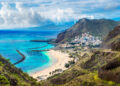
Most people who get into trouble in Tenerife weren’t being reckless. They just didn’t know. And that’s the part that nobody ever writes about honestly.
The island gets around six million visitors a year. The vast majority have a completely fine trip. But the ones who don’t, the ones who end up sunburned beyond recognition on day two, or stuck on a coastal path in the dark, or being dragged sideways by a current they didn’t see coming, almost always say the same thing afterwards. “I didn’t think it would be like that.”
So this is the stuff worth knowing before you go.
The Sun Is a Different Animal Here
You know how you’ve been to Spain before and you were fine? Forget that. Tenerife doesn’t sit where most people think it does on the map. It’s off the coast of southern Morocco, geographically closer to the Sahara than to Málaga. The UV index here in summer regularly hits 9 or 10. That’s not “quite sunny.” That’s classified as extreme by the World Health Organisation.
The cruel trick the island plays on you is the breeze. There’s nearly always a wind off the Atlantic, cool and constant, and it makes you feel like you’re not baking. You are baking. You just can’t feel it properly until the evening, when your skin starts tightening and you realise you’ve got the colour of a post box.
Factor 50 from the first day. Not factor 30 “because it’ll help you tan.” Fifty. And reapply it every hour and a half, because you will sweat and you will swim and it will come off. Kids especially. Midday sun between about twelve and four is genuinely brutal, and the sensible thing, the thing locals actually do, is disappear inside for lunch and come back out when the heat has dropped a bit.
One more thing about the sun that almost nobody mentions: cloud cover doesn’t protect you. A grey, slightly hazy day in Tenerife can still carry a UV index of 7. Don’t assume the clouds are doing you a favour.
What the Sea Looks Like Vs What It’s Actually Doing
Tenerife’s water is cold enough to feel refreshing and calm enough to look safe. That combination fools people constantly.
Rip currents are the main concern, and they’re hard to spot unless you know what you’re looking for. They tend to look calmer than the water around them; a slightly different colour, a little less choppy, sometimes a visible channel where the water seems to be moving away from shore. If you feel yourself being pulled out and you swim hard against it and get nowhere, that’s a rip. Stop fighting it directly. Swim across it, parallel to the beach, until you feel the pull ease off, then come back in at an angle. It’s counterintuitive, but fighting a rip current head-on exhausts people fast.
Always, always swim where there’s a lifeguard on duty. The flag system is taken seriously here. Green means you’re fine. Yellow means be sensible and stay close in. Red means get out of the water, full stop. I’ve seen people wade in under a red flag because the sea “didn’t look that rough.” It doesn’t always look rough. That’s the point.
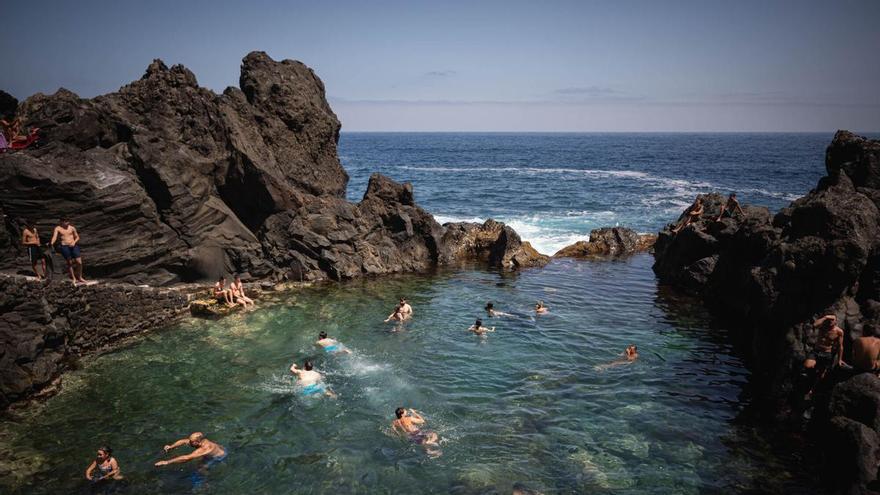
The wilder northern beaches and remote coves are beautiful but genuinely unforgiving if the swell is up. No lifeguard, strong currents, sharp volcanic rock underfoot. I’m not saying don’t go. I’m saying go when it’s calm and know what you’re looking at before you get in.
The Roads in the Mountains Are Not the Same as the Roads Everywhere Else
Hire a car. Seriously, you’ll see so much more of the island and it’s straightforward on the main roads. The TF-1 motorway connecting the south to Santa Cruz is wide, fast, and easy. You could drive it half asleep. But start heading up into the Anaga mountains in the northeast or the Teno rural park in the northwest and the roads become something else entirely.
Single track. Sheer drops with no barrier. Tight blind bends where two cars simply cannot pass each other. It’s not dangerous if you go slowly and stay calm. It’s quite dangerous if you’re tired, rushing, or expecting something more like a normal road.
The specific mistake I see tourists make is trusting sat nav completely in those areas. Navigation apps sometimes send you down tracks that are technically drivable but were not, in any real sense, designed for hire cars. If the road narrows dramatically and starts to feel wrong, it probably is wrong. Pull over somewhere safe and check an actual map.
Parking on narrow mountain roads is also a problem. Even stopping briefly blocks the whole route, and the locals who use those roads every day for work are not always in the best mood about it.
What Happens When You Underestimate a Hike
Tenerife has some genuinely excellent walking. The Anaga ridge, the descent into Masca, the trails around Teide. Worth every bit of effort. But the safety mistakes tourists make on those trails follow a very predictable pattern.
Not enough water is the big one. At altitude, in the heat, with dry air, you’ll get through water faster than you expect. A walk that takes two hours on flat ground might take four in the mountains. Carry more than you think you need, and don’t ration it nervously; drink steadily throughout.
Wrong shoes are the second thing. Volcanic rock is sharp and unpredictable underfoot. It’s not like walking on gravel or even rough stone. It can crumble unexpectedly. A turned ankle on a remote trail is a real problem when there’s no phone signal, which, in the Anaga especially, there often isn’t. Download offline maps before you set off. Google Maps works without signal if you save the area first.
And please, if you’re planning to walk down into Masca and out by boat, or up to the summit of Teide above the cable car station, check the practicalities in advance. The Masca route sometimes closes after heavy rain. The Teide summit requires a free permit that you book ahead of time at the Teide National Park website. Turning up without one means turning around, which is genuinely gutting after you’ve driven up there.
For a proper rundown of the island’s best trails and what to expect on each one, the walking section over at The Tenerife Forum is one of the most useful and honest resources I’ve come across, written by people who actually walk the routes rather than describe them from a desk.
The Driving Habit That Gets People Into Trouble
This one’s small but worth saying. Tenerife has a lot of cyclists. Not leisure cyclists, though there are those too. Professional training cyclists, in proper kit, moving at serious speed, particularly on the quieter roads in the south and on the route up towards Teide. They’re often around bends before you see them.
Give them space. Don’t overtake on a blind bend. And if you’re driving in the mountains early in the morning, expect them. Tenerife is a popular training base for pro teams, partly because of the roads and partly because of the altitude near the volcano. It’s not unusual to come around a corner and find a full peloton.
Is Tenerife Actually Safe? (The Part People Really Want to Know)
Yes. It genuinely is. The crime rate is low by European standards, the police are visible, and the tourist infrastructure is well set up. Petty theft happens, because petty theft happens everywhere, but it’s not rampant and you don’t need to walk around anxious.
The practical things: don’t leave anything visible in a parked hire car, not even a jacket on the back seat. Keep bags close in busy resort areas at night, particularly in Playa de las Américas and Los Cristianos. Don’t leave your phone on the table at a beach bar and wander off.
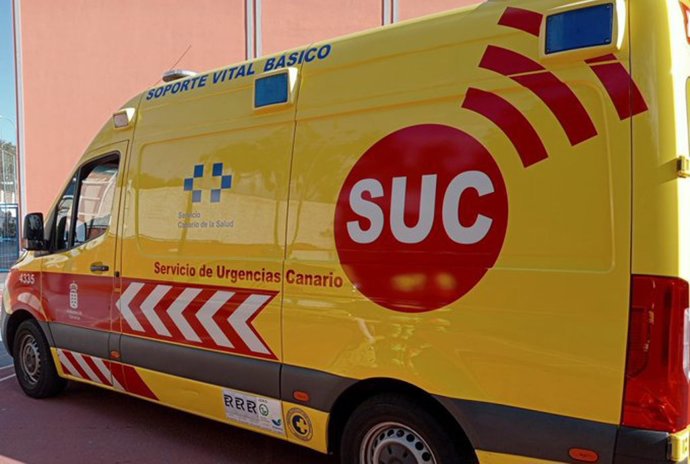
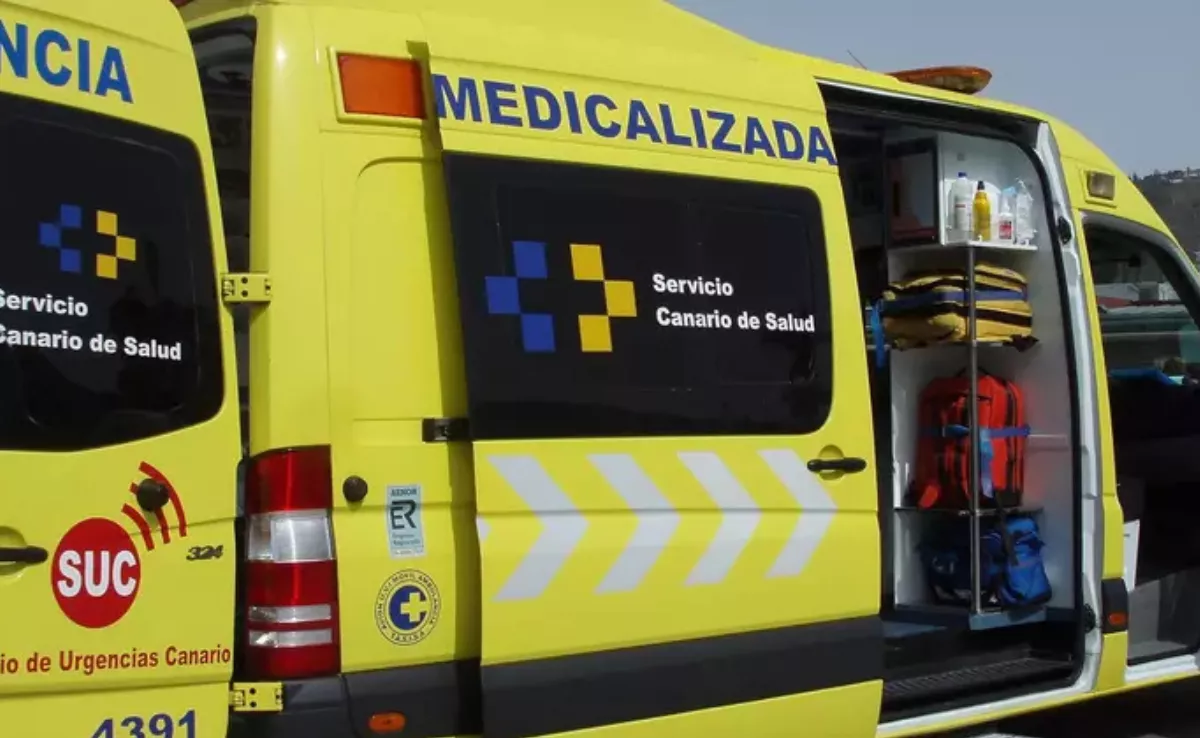
If something does go wrong, the emergency number across Spain including the Canary Islands is 112. Operators speak English and can connect you to police, ambulance, or fire services. Save it in your phone before you land, not because you’ll need it, but because that’s just a sensible thing to do.
A Few Questions That Come Up A Lot
Is the tap water safe to drink in Tenerife?
Technically yes, it won’t make you ill. But it tastes heavily mineral and not particularly pleasant in most areas. Most people, locals included, drink bottled water. It’s cheap and everywhere.
Are there dangerous animals or insects to watch out for?
Nothing serious. No venomous snakes on the island. Jellyfish occasionally wash in after storms, so it’s worth checking before you swim if the sea looks a bit murky. Processionary caterpillars are found in pine forest areas near Teide, and their hairs can cause a nasty skin reaction. Don’t touch them and keep dogs well away.
What if I get into trouble in the sea?
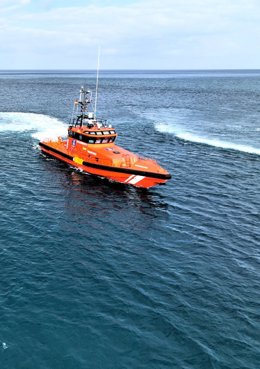
Call 112 immediately. If there’s a lifeguard station nearby, signal to them or shout. The Spanish Red Cross runs beach rescue services across the island and they’re well trained and fast. Don’t try to handle a serious situation alone.
One Honest Thought Before You Go
The safety mistakes tourists keep making in Tenerife aren’t the dramatic ones. They’re the quiet, gradual ones. The kind where nothing goes wrong for two hours and then everything does. A little awareness at the start of the trip, knowing the UV situation, knowing how the sea behaves, knowing which roads demand your full attention, genuinely changes how the whole holiday goes.
You’ll have a good time. Most people do. Just go in with your eyes open.