Concerns Over Civil Protection System in Tenerife
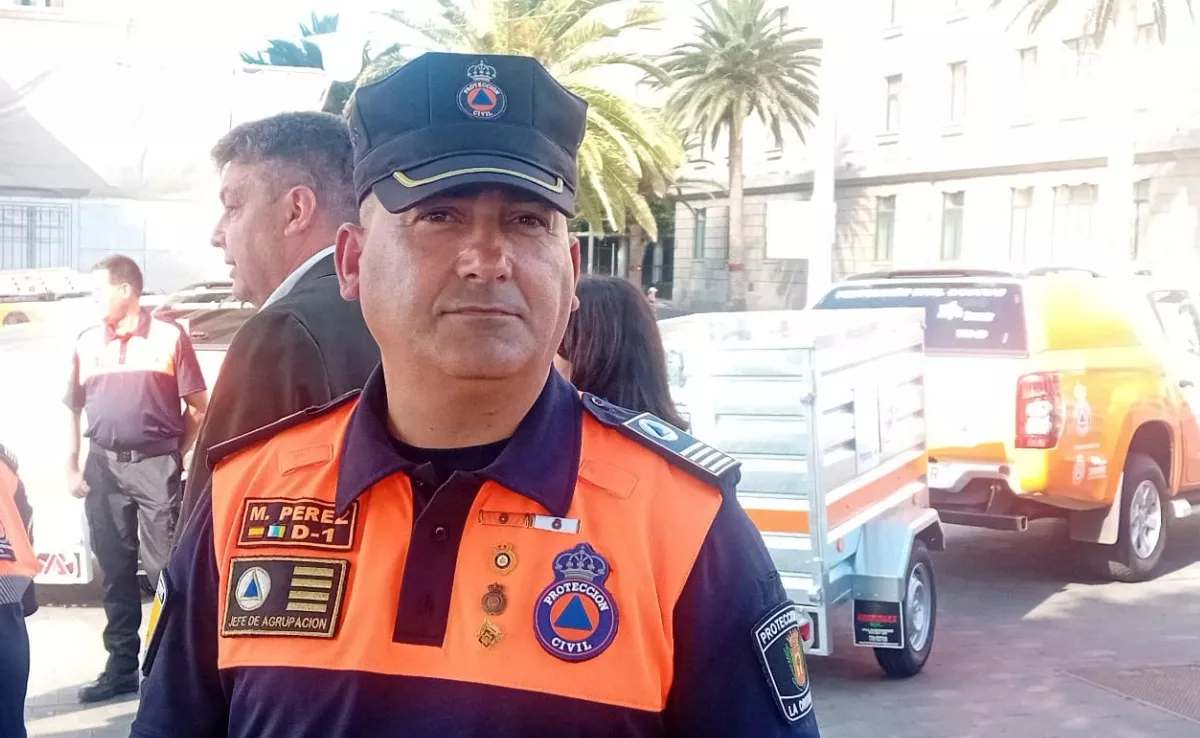
Miguel Pérez, head of the Civil Protection group in La Orotava, is highlighting significant issues within Tenerife’s Civil Protection system. He tells Atlántico Hoy that while there is a strong willingness among volunteers, some local administrations fail to provide the necessary resources and commitment. “There’s nothing more frustrating than wanting to help but being unable to,” he emphasises.
Pérez points out that in a region vulnerable to wildfires, high tides, and volcanic eruptions, a lack of timely organisation and funding can have severe consequences. During a recent meeting at the Cabildo of Tenerife, where specific equipment trailers were delivered to 19 municipalities to better respond to adverse weather events, he called for increased political engagement at the local level.
He believes many municipalities do not grasp the need for their own structured Civil Protection units. Some towns provide varying levels of support depending on their local government’s priorities, resulting in disparities between different areas. With 19 associations operating across the island’s 31 municipalities, several remain inadequately covered or reliant on external aid during emergencies.
The role of volunteers, who number around 300 and typically form small groups of 10 to 15, is critical but increasingly strained. Pérez warns of rising fatigue, insufficient training, and a lack of resources, leading to high turnover rates among volunteers. “They get burnt out,” he says. He advocates for policies that not only recruit but also retain volunteers, along with ongoing training, legal protections, and necessary materials to turn their willingness into effective action.
Pérez emphasises the importance of inter-municipal cooperation and coordination with the Cabildo, especially during severe incidents like the Tajogaite eruption and various floods and wildfires. Such collaboration has proven effective, but often lacks the necessary speed and numbers to address emergencies unless municipalities bolster their emergency plans.
He stresses the urgent need for improved training, resources, and legal frameworks to enhance their operations. It’s not enough to simply provide uniforms to volunteers; they require defined roles and proper preparation to meet the challenges they face. Pérez insists that local politicians must prioritise funding for ongoing operations and critical support during crises.
Ultimately, he concludes that Tenerife’s emergency preparedness hinges on everyday municipal decisions. Without investment in local Civil Protection teams, the island will continue to rely on goodwill and fragile inter-municipal solidarity. In a place familiar with the challenges of volcanic activity, Pérez’s proposals resonate not just technically but politically and socially, reminding us that safeguarding volunteers means safeguarding the entire community.