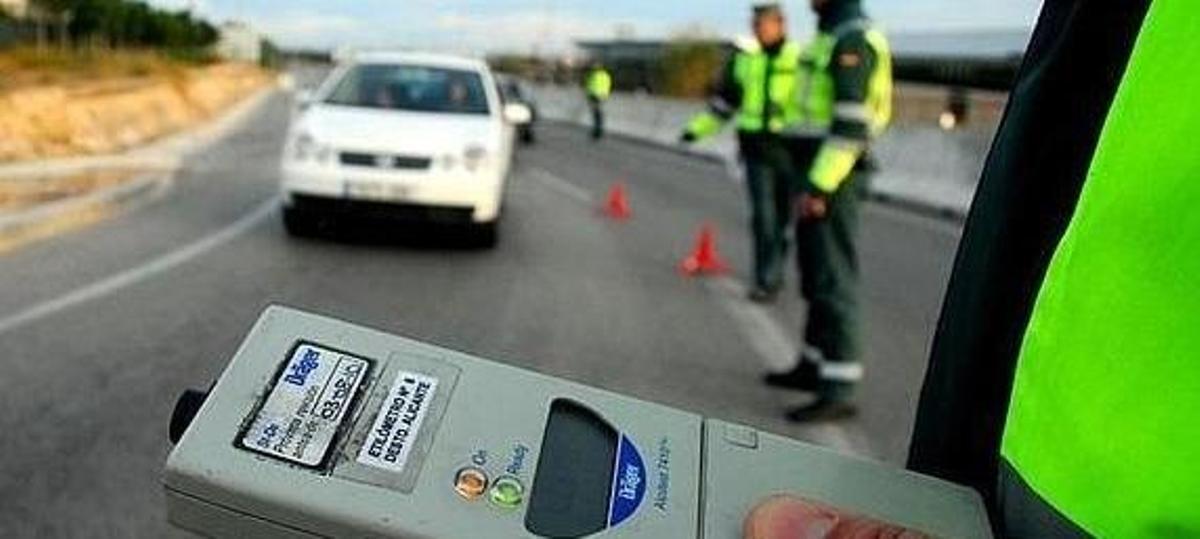
The Civil Guard, alongside the General Traffic Directorate (DGT), is responsible for ensuring that drivers adhere to established regulations, aiming to enhance road safety and reduce road accidents across the Canary Islands and the rest of the country.
The V16 beacon will be compulsory from 1 January 2026. Drivers are required to carry this illuminated device, which replaces traditional warning triangles in the event of a breakdown or accident. It should be stored in an accessible location such as the glove compartment or side of the vehicle, allowing drivers to quickly access and place it as high as possible on the immobilised vehicle. Failing to have one, or using an unapproved model, will incur a fine of 80 euros.
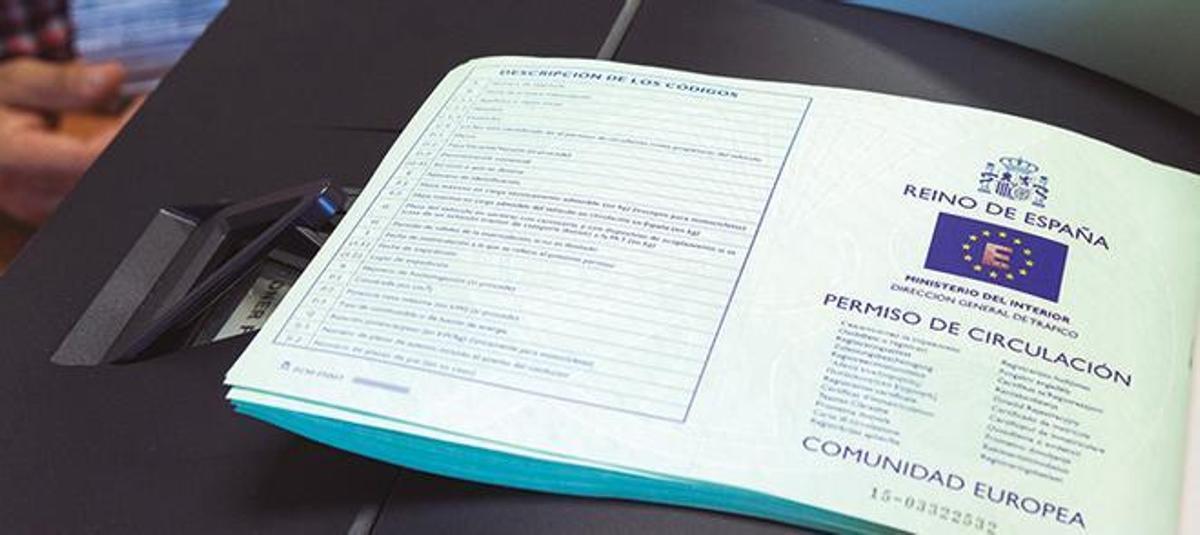
The Circulation Permit
“The Circulation Permit is the document that identifies the ownership of the vehicle, including special vehicles such as agricultural and construction vehicles,” explains the DGT.
According to Article 26 of the General Traffic Regulations: “The driver of a vehicle is obliged to possess and carry, as well as to present to the authorities upon request, the following documents: The circulation permit or circulation licence in the case of mopeds. The circulation permit may be replaced by a provisional authorisation issued by the Traffic Department, which will have the same effects.”
Failure to carry the circulation permit in the vehicle results in a financial penalty of 10 euros. If the document is not up to date, the fine rises to 80 euros. In more severe cases, if the vehicle lacks a circulation permit, drivers may face penalties of up to 500 euros.
Mandatory Documents in the Vehicle
All drivers must carry these three documents in their vehicle:
- Driving licence
- Vehicle circulation permit
- Technical Inspection Card (ITV)
The road tax is a mandatory document for all registered vehicles, but it is not necessary to carry proof of payment.