The Santa Cruz de Tenerife City Council aims to definitively approve its General Plan for Urban Development (PGO) by the end of the next term, more than a decade after it was suspended by the courts in 2017. The initial approval is expected in early 2027.
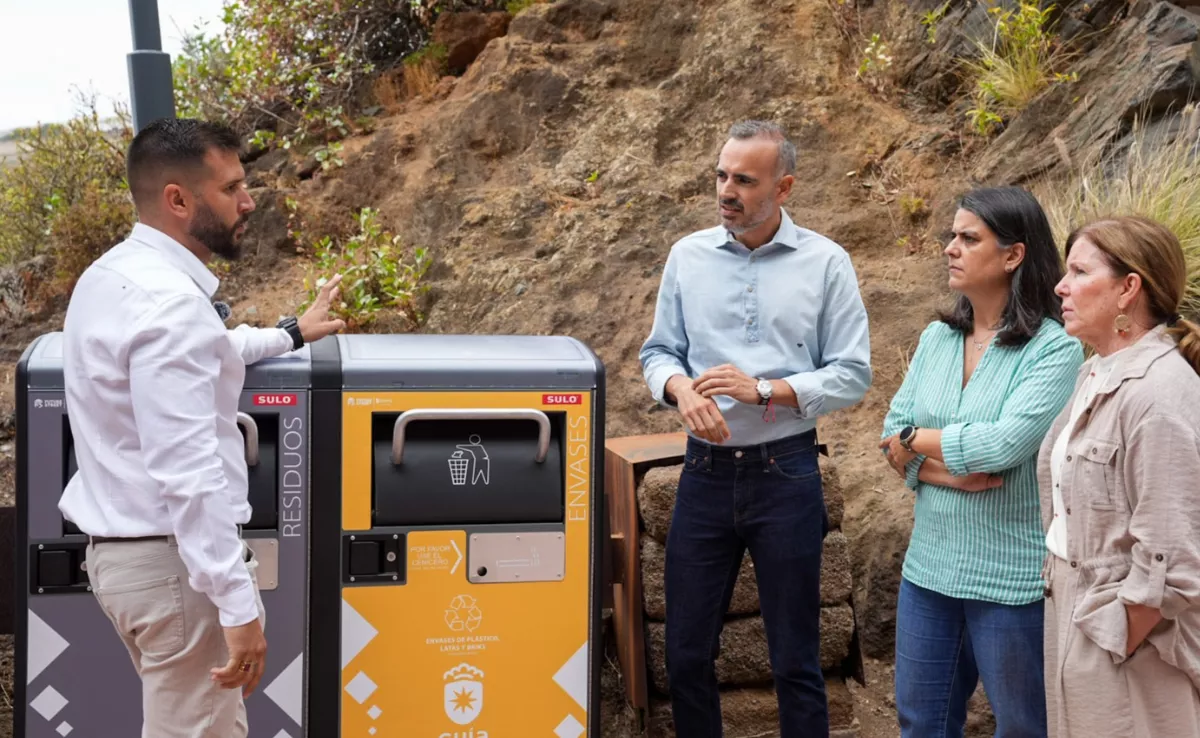
This announcement was made by Deputy Mayor Carlos Tarife (PP) during a press conference alongside Mayor José Manuel Bermúdez (CC). They did not address issues relating to the cancelled bicycle lane project, which also faced judicial setbacks after costing millions, or the critical “emergency” state of the city’s trees highlighted by experts last year.
Bermúdez attributed the lengthy approval process to court requirements, explaining the Tribunal Superior de Justicia de Canarias mandated the plan be reassessed from scratch, largely due to earlier procedural flaws.
“The old planning affects all city initiatives,” he noted, referring to the current plan dating back to 1992, with a slight update in 2005.
Tarife added that the delay in the planning process has hindered projects like a new gym and supermarket developments. “We would love for urban regulations to be quicker. We expect initial approval early next term, with final approval by the end of the following one,” he stated.
Reflecting on his administration’s past three years, Bermúdez claimed Santa Cruz is undergoing “the largest urban transformation in its history.” He cited securing €64 million from European funds and approving the largest municipal budget to date, which he said helped maintain one of the lowest tax pressures in the country.
Over the past two years, 30 construction projects have been completed at a rate of one per month, with an additional 14 projects currently underway, valued at €51 million. The mayor noted that the capital accounts for 50% of public housing developments on the island, with 300 new homes being built and 1,500 undergoing renovation.
He also highlighted progress in heritage restoration, including the renovation of the Masonic Temple and plans for the CaixaForum in Parque Viera y Clavijo, alongside future work on Guimerá Theatre and Palacio de Carta.
Tarife emphasised the political stability of the local government and the aim to prepare key strategic projects for the next term, such as urban planning normalisation at Las Teresitas and a new cleaning contract to hire an additional 40 to 50 street sweepers to improve neighbourhood services.
He also mentioned sustainability efforts aimed at achieving zero waste, the creation of over 500 temporary parking spaces, and the establishment of pet-friendly areas along the coast.