The ancient Celts referred to this festival as Alban Heruin, which primarily symbolised the celebration of the summer solstice—the moment when the sun is at its brightest, when it shines the longest, demonstrating its full power over humanity.
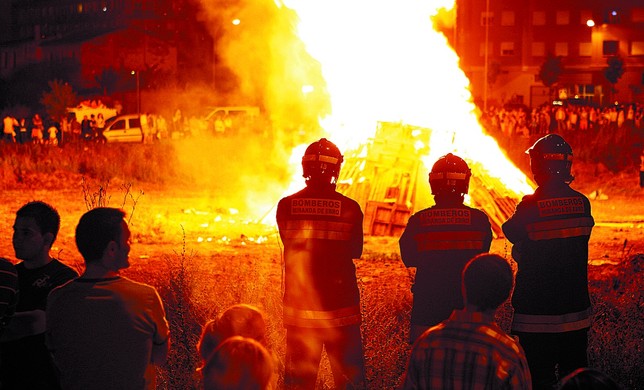
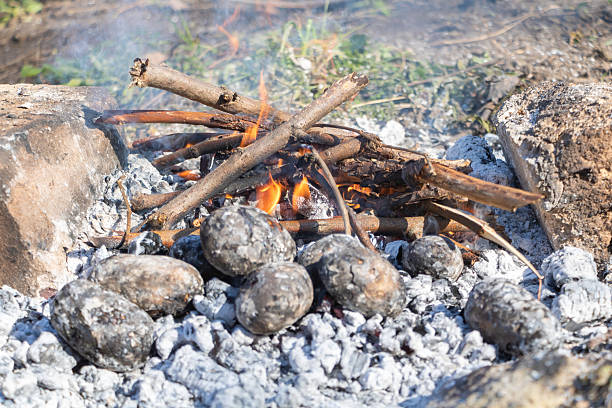
To commemorate this occasion and attract blessings upon people, animals, and fields, large bonfires were lit. This festival is associated with rituals designed to find or maintain a partner.
Rituals of the Night of San Juan
There are countless rituals associated with the Night of San Juan, celebrated on the eve of 24th June, all centred around the glorification of fire. Indeed, this is the quintessential fire festival, and thousands of bonfires are lit in towns and cities. The fire is believed to provide protection throughout the year for those brave enough to leap over the flames.
In Galicia, tradition dictates that one must jump nine times, while in Alicante and Valencia, the magical number is seven. In the Canary Islands, however, three is the significant number, both for jumping the bonfire and for catching the first three waves on the 24th of June.
The Role of Water
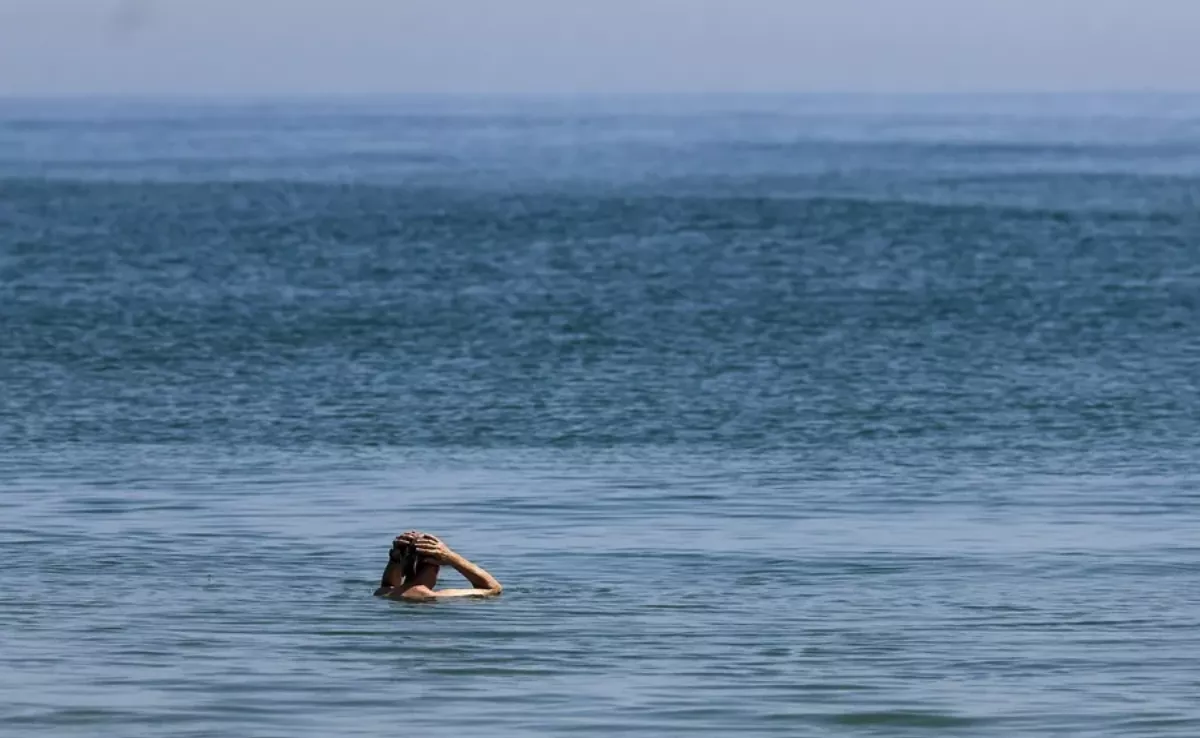
As previously mentioned, water is another essential element of this celebration. A customary practice on this magical night is to take a dip in the sea. Bathing in the ocean during the Night of San Juan is believed to ensure good health for the entire year. If one jumps three waves with their back to the sea, they can also eliminate negative energies and enhance female fertility.
In Andalusia, people wash their faces at midnight with the intention of maintaining health and beauty all year round. A curious detail: on this night, no one is allowed to look in a mirror after bathing if they hope for the spell to be effective.
The True Date of the Solstice
Actually, the solstice night is on 21st June, though the Church has adapted it to the celebration of San Juan.