Positive Signs for Urgent Care Reform in Tenerife, Despite Criticism
Esther Monzón, the Health Minister of the Canary Islands, announced on Tuesday that the Urgent Care Action Plan for 2024-2026 is showing “very positive” results. However, this claim was met with scepticism from Miguel Ángel Pérez del Pino, a PSOE MP, who accused the government of implementing “patches” and exhibiting “disorder” in their management.
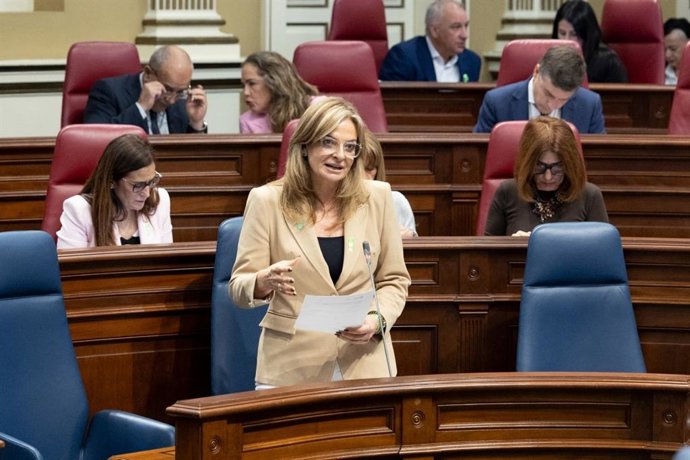
During a session of the Canarian Parliament, Monzón outlined the comprehensive reforms underway in the Urgencies service, which include improvements in organisation, management, and infrastructure. She charged the PSOE with doing nothing during the previous legislative period when patients were often treated in overcrowded corridors.
In response to what she termed a “catastrophic situation,” Monzón emphasised that the current government has commenced an action plan to address longstanding issues. Key developments include establishing a separate psychiatric emergency area and improvements in admissions and user assistance, as well as launching a short-stay unit with 22 beds for complex cases.
Monzón highlighted an increase in home hospitalisation services, which now has 32 beds, and the preparation for new areas focusing on pediatrics, trauma, and resuscitation. Additionally, staffing in the Urgencies service has risen by 22% since 2024, resulting in 67 doctors available for each shift.
In rebuttal, Pérez del Pino suggested Monzón is “more lost than Wally,” blaming her for a lack of effective political leadership and accusing her of hiding failures behind a facade of effort. He condemned the government’s planning, asserting it lacked seriousness and dismissed consultation with health professionals.
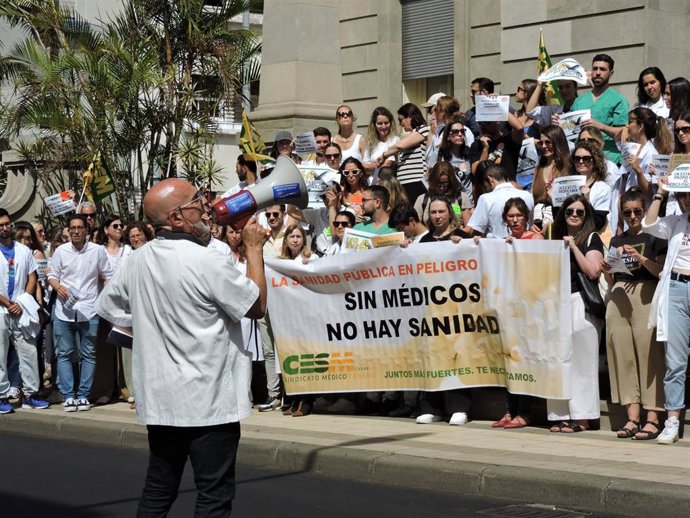
He painted a bleak picture of the current health situation, arguing that Monzón’s management has led to increased pressure on services, longer waiting lists, and worsened patient care. He urged President Fernando Clavijo to take personal responsibility in negotiating with unions to resolve the ongoing medical strike, citing a dramatic rise in private health concert agreements over the past two years.