Canary Island Government Appeals for Support at European Parliament
SANTA CRUZ DE TENERIFE, 23 June – The Canary Islands government has called for specific recognition of outermost regions (RUP) in European transport and tourism policies, stating that air and maritime connectivity is crucial for their economic and social development.
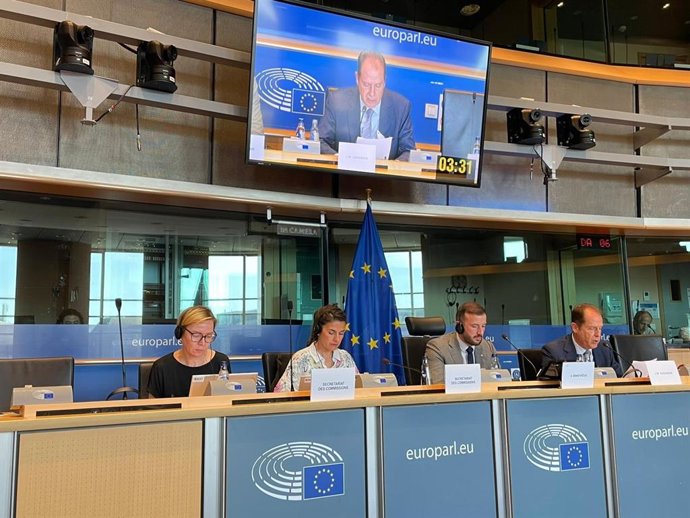
During a session of the European Parliament’s Transport and Tourism Committee, José Manuel Sanabria, the Canary Islands’ Deputy Minister for Tourism, stressed the need to maintain and expand exemptions for RUPs under the Emissions Trading System (ETS). He advocated for public funding to support the launch of new air routes.
Sanabria highlighted the importance of creating a European tourism strategy that benefits local communities and enhances residents’ quality of life. “Tourism is a driver for growth, jobs, and social cohesion, but it must also safeguard residents’ wellbeing and preserve our natural and cultural heritage,” he stated.
He warned that certain European environmental measures could put the Canary Islands at a disadvantage compared to non-EU destinations. Without access to sustainable fuels in these regions, he argued, they would face unfair penalties rather than a fair transition.
Ensuring the Islands’ Competitiveness
Sanabria pointed out that airlines currently bear the costs associated with carbon emissions, which could threaten the Canary Islands’ future competitiveness. “When demand normalises, airlines will allocate resources based on profitability, putting us in competition with destinations that don’t incur these costs,” he noted.
He insisted that air and maritime connectivity should be viewed as essential infrastructure. “Without planes and ships, there are no tourists, no residents, no goods, and no viable islands.”
He also urged EU regulations to continue supporting public funding for new air connections to the outermost regions, deeming it vital for improving accessibility and diversifying source markets.
Challenges in Maritime Transport
Regarding maritime transport, Sanabria pointed out the unequal competition between EU and third-country ports, as EU routes pay 100% of emission costs while non-EU connections cover only 50%. He warned that this discrepancy is starting to divert traffic to African ports.
He insisted that the same regulations should not create unfair competition between EU and non-EU ports, stressing that if this trend continues, emissions will not decrease but rather be shifted, negatively impacting economic activity and employment in Europe.
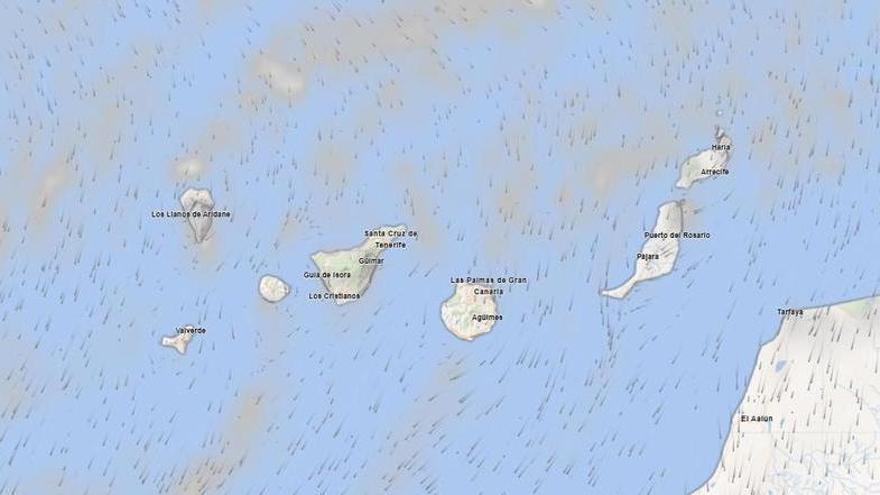
Sanabria reminded attendees that the Canary Islands is the most populated outermost region in the EU, with over 2.2 million residents, and tourism constitutes a structural pillar of its economy, comprising around 38% of GDP and 40% of employment. He called for greater attention to the needs of island territories in the upcoming European Sustainable Tourism Strategy, ensuring tourist policies create local benefits.
He acknowledged challenges such as pressure on housing, shared infrastructure, and reliance on seasonal employment, emphasising the need for policies that enhance residents’ quality of life and strengthen community resilience.
Sanabria concluded by urging that future European decisions consider the unique characteristics of outermost regions. “European islands are not the periphery of Europe; they are a vital part of its heritage, economy, and international presence. We only ask that EU rules do not place us at a disadvantage compared to those who are not bound by them,” he asserted.