Seismic Activity Under Teide Attracts Scientific Attention
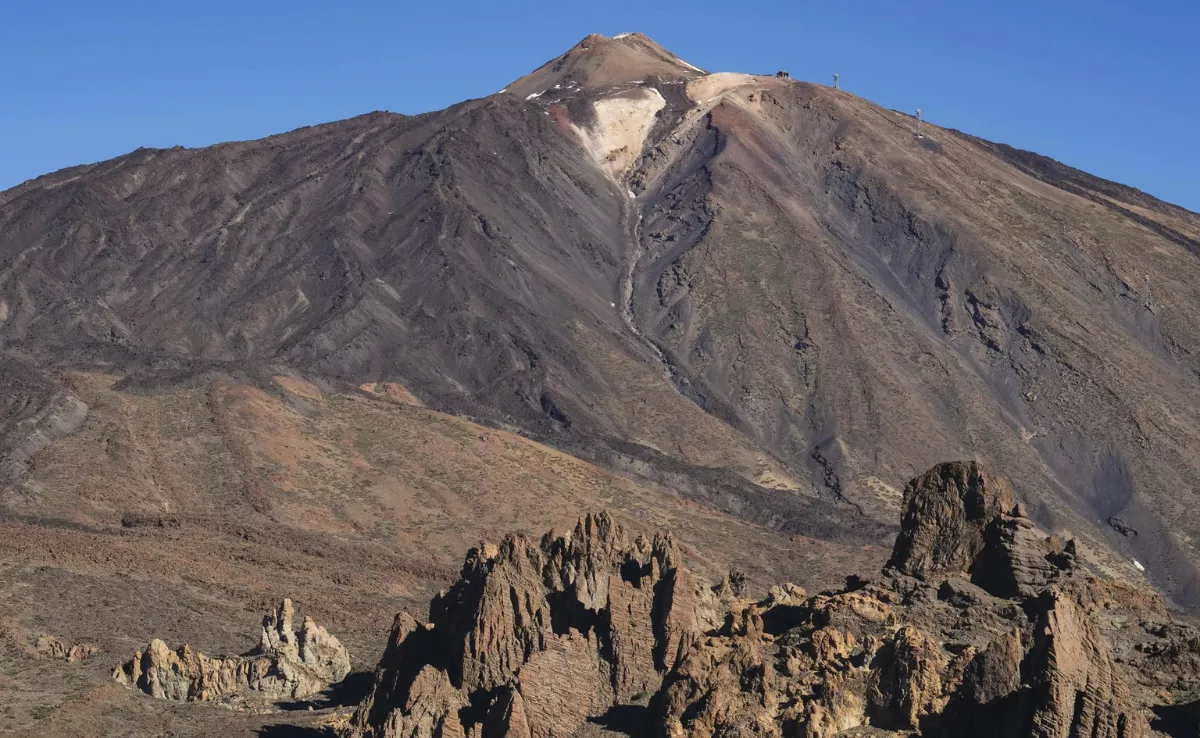
The seismic activity beneath Teide is once again in the spotlight for scientists. The Instituto Geográfico Nacional (IGN) has recorded a total of 79 low-magnitude earthquakes in Tenerife between Thursday and the early hours of Friday, primarily concentrated in the western area of Las Cañadas. Despite the increase in seismic activity, experts maintain that there is no heightened risk of a volcanic eruption in the short or medium term.
### Recent Earthquake Activity
The detected movements are part of several pulses of seismic-volcanic activity observed between June 18 and June 19. None of these events have been felt by the public, and all exhibit low magnitudes. According to the IGN, the first pulse began at 05:14 on Thursday, June 18, lasting just eleven minutes. During this time, 16 earthquakes were recorded, located between 8 and 17 kilometres below sea level and with magnitudes ranging from 0.6 to 1 mbLg.
Hours later, at 16:42, a new phase of activity commenced, continuing until 05:21 on Friday.
#### Second Episode of Activity
In this second episode, 63 seismic events were automatically detected, 14 of which technicians were able to locate precisely. These earthquakes were positioned between 8 and 15 kilometres deep and reached magnitudes from 0.4 to 0.8 mbLg. Most of the focus points were again in the western area of Las Cañadas, a location where similar phenomena have occurred in the past. Additionally, the IGN reported a minor earthquake in Icod de los Vinos, measuring 0.3 mbLg and occurring at a depth of just two kilometres.
### Monitoring and Analysis
Experts note that this situation bears similarities to that observed in February and March, albeit with lower energy. Unlike typical volcano-tectonic earthquakes, these events exhibit a high content of low frequencies and are classified as hybrid events, which scientists continuously monitor as part of the island’s volcanic surveillance. The IGN also highlights that the activity detected does not show repeating patterns or clearly defined seismic families.
### No Eruption Risk
The state agency wishes to convey a message of reassurance, emphasising that the observed data does not indicate an increased risk of eruption in Tenerife. “None of the events have been felt by the public, and this activity does not elevate the risk of eruption in the short or medium term,” experts underscore.
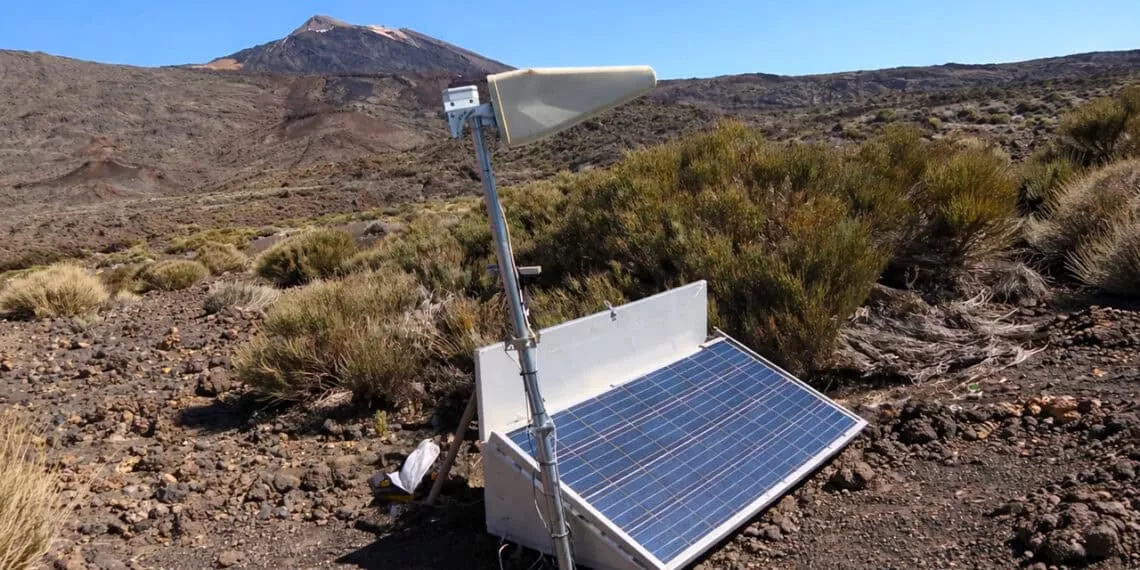
To monitor this activity, the IGN has established a network on the island comprising over 100 stations, equipment, and sampling points, which enable real-time monitoring of seismicity, ground deformations, and various geochemical parameters. Scientists continue to analyse any changes or anomalies that may occur within Tenerife’s volcanic system. For now, the recorded activity remains within the parameters observed in other recent episodes and does not reflect signals indicating a concerning evolution for the island.