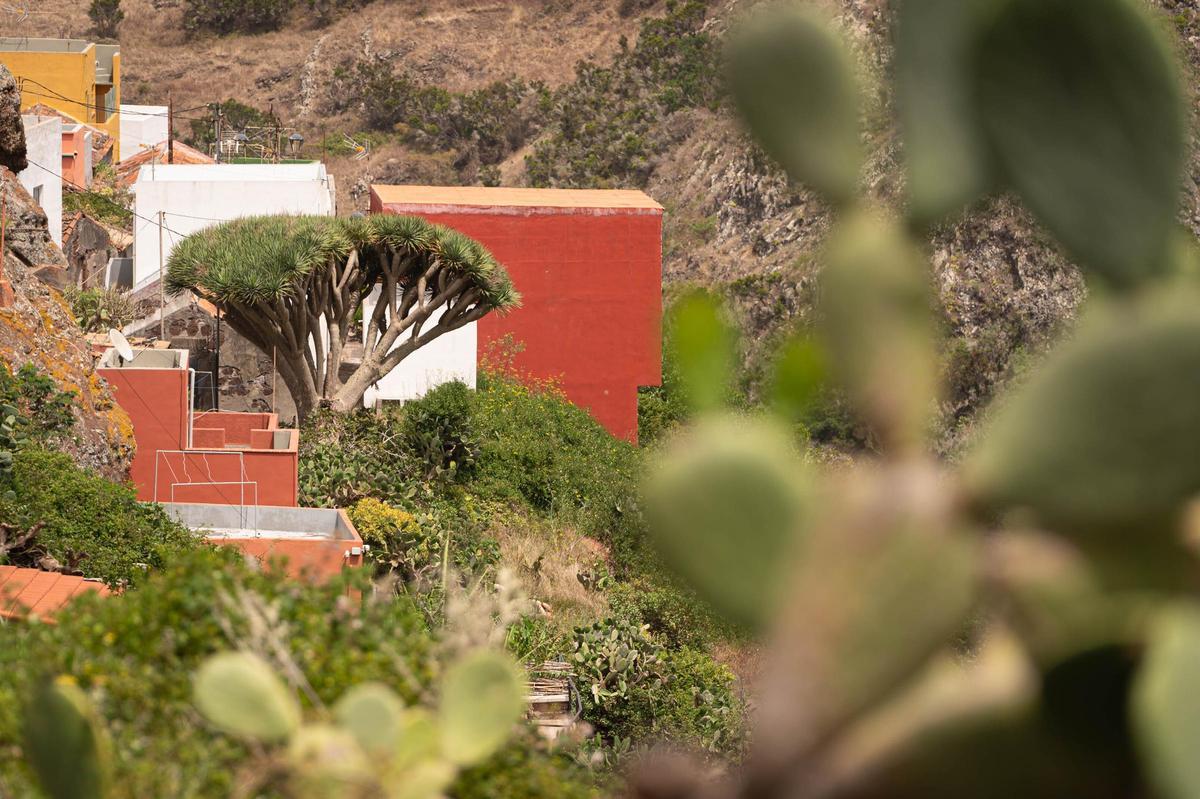
Life in Lomo de las Bodegas: A Quiet Refuge in Tenerife
Lomo de las Bodegas, a remote area situated in the northeastern part of Tenerife, is a forgotten enclave in the Anaga region. Once home to 36 families during its heyday, it now boasts just 14 residents, according to Santa Cruz’s Population Unit in 2025.
A stark contrast to the bustling capital of Santa Cruz, which is just over 31 kilometres away, Lomo offers simplicity and calm. For most of the week, it is almost deserted, with locals primarily venturing out during weekends and holidays. The only public transport, a bus service, runs three times daily, leaving many without easy access to amenities.
“Only twelve of us live here permanently,” says José Rodríguez González, one of the local figures, during a chat in his home. He recalls that in past decades, people were dependent on agriculture, with conditions that at times bordered on slavery until the 1960s.
The area saw a shift when a road connecting Lomo to Santa Cruz was completed in 1976, prompting residents to seek work in towns nearby. “For them, moving was a step forward,” explains one local, reflecting on the desire for a better life.
Today, Lomo de las Bodegas has transformed. With no services and minimal facilities, it is a haven for those seeking tranquility and connection with nature. Current homeowners are capitalising on the growing interest in rural tourism, with some properties on the market exceeding €230,000 after renovations.
Residents like Santiago Gallardo and Orlando Gómez spotlight the area’s charm, describing it as a peaceful retreat among the mountains and the Atlantic. However, locals express frustration over the lack of infrastructure and attention from authorities, pointing out that funds allocated for the Biosphere Reserve often fail to reach the community.
As the population outside Lomo has expanded, so too has the sense of isolation. “Our only connection is the bus, which makes it difficult for those needing access to work or medical appointments,” Rodríguez states, lamenting that while tourism flourishes, the needs of permanent residents remain largely ignored.