The Canary Islands Volcanological Institute (Involcan) has reassured the public following a recent earthquake swarm detected beneath Tenerife. The institute stated that this seismic activity does not increase the likelihood of a volcanic eruption in the near to medium term.
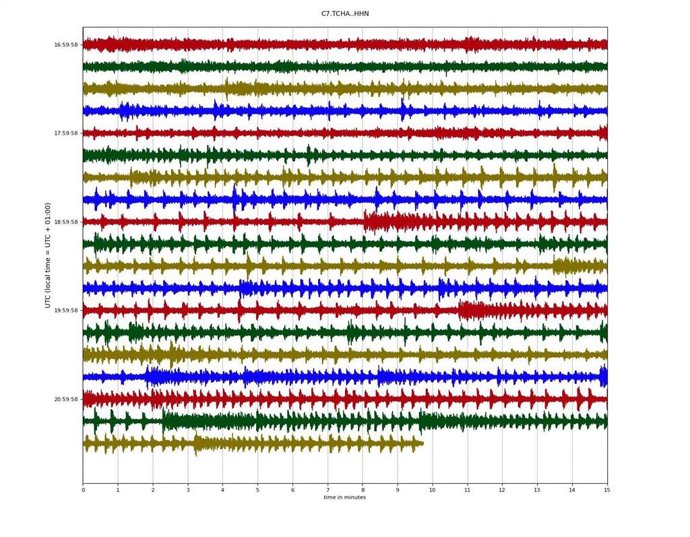
The Canary Islands Seismic Network recorded the swarm, which occurred between 6:34 PM and approximately 11 PM on Friday. The event consisted of hybrid seismic signals, a phenomenon previously observed on the island.
Involcan noted that this marks the 14th swarm of its kind since October 2016, displaying similarities to past episodes and part of a recurring pattern over the years.
The institute posits that these swarms are likely linked to the injection of hydrothermal volatiles originating from magma into Tenerife’s hydrothermal system. This could relate to fluid movements or interactions deep within the volcanic system.
Involcan’s interpretation is supported by various geochemical and geophysical indicators, including increased carbon dioxide emissions and slight ground deformation in the northeast sector of the volcano.
Despite these findings, Involcan emphasised that the latest swarm does not suggest an increased eruption risk in the short or medium term. While the volcanic system on Tenerife remains active, this activity alone does not indicate an imminent eruption.
The situation further illustrates that the “volcanic noise” observed on the island since late 2016 continues, with no evidence of a decrease in activity.
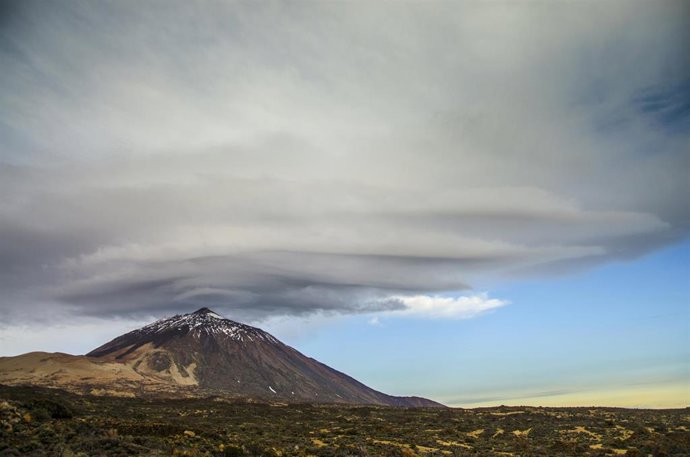
Experts stress the importance of distinguishing between volcanic activity and an impending eruption. Tenerife is a volcanically active island and can experience earthquakes, gas emissions, and minor ground deformation. However, these indicators must be assessed together and do not individually confirm an eruption is forthcoming.