Tenerife’s Jonathan Molina Reinvents Local Agriculture
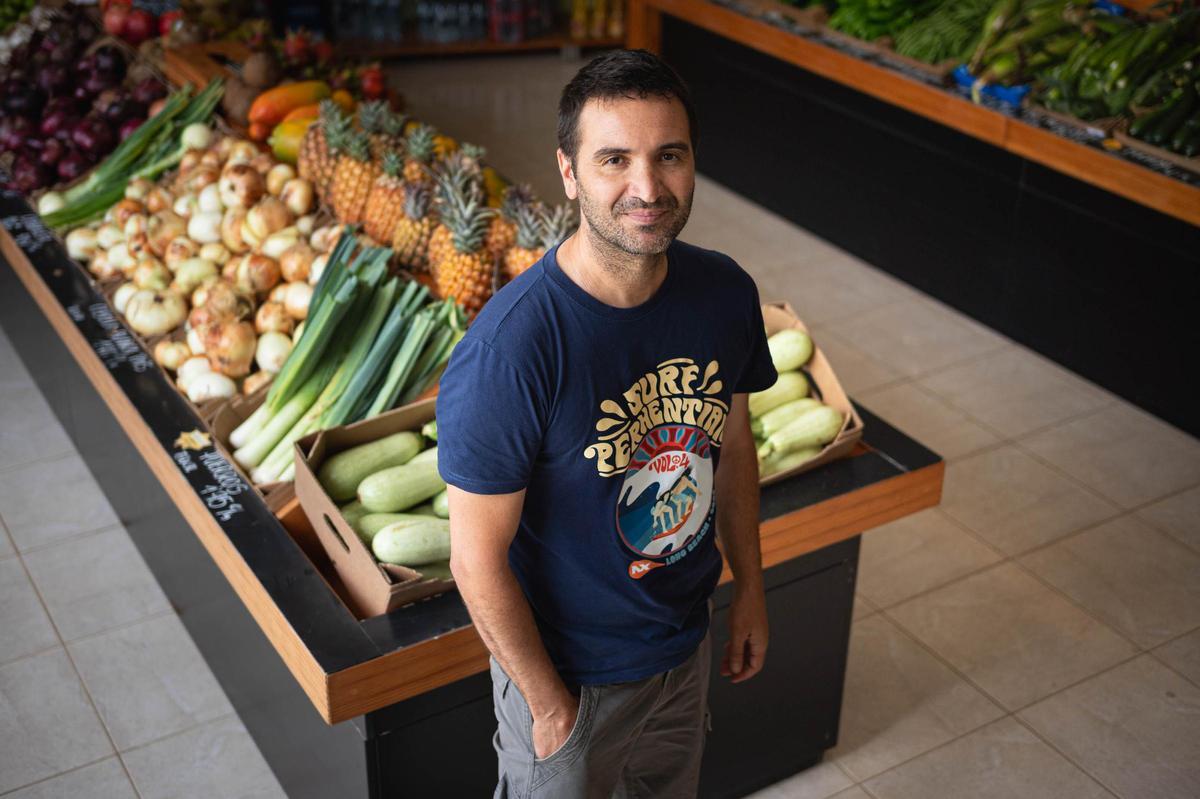
Jonathan Molina, heir to one of the largest carrot productions in Tenerife for 30 years, has transformed his family business over the past 15 years. Together with his brother, he has diversified their product range while prioritising local sourcing. They opened a retail outlet in Tegueste, defying the typical generational transition challenges within the farming sector on the island.
Molina highlights the success of their “kilometre zero” approach, selling around 2.5 tonnes of produce weekly from their own farms. However, he acknowledges the complexity of calculating carbon emissions savings from their efforts, noting that while local products can be competitive, comparing them to products from places like New Zealand or Poland reveals significant differences in environmental impact.
He believes most customers value local produce, yet the convenience of larger supermarkets often sways shopping habits. “The challenge is getting customers to seek out better-quality local options instead of just buying everything at one place,” Molina explains.
The rising cost of vegetables, he explains, isn’t due to increased consumption but rather decreased cultivation. Prices remain high, yet many local farmers find it unprofitable to grow certain crops, leading to a worrying trend.
Molina expresses concern about food sovereignty in the Canary Islands. He fears that more local products will be sold through large retailers rather than independently. “Inspections and regulations are pushing older farmers to retire, which is not a good sign for local production,” he warns.
Consumers need to recognise the implications of declining local agriculture, as prices for items like peppers have surged from around 80 pence to over three pounds. “The cost of living will rise significantly if we can’t rely on local farming.”
Molina describes Tenerife’s agriculture as potentially thriving due to favourable conditions, but warns of growing challenges, such as stricter environmental regulations that may favour imported goods over local produce.
Bureaucracy is another hurdle. Small farmers struggle to keep up with requirements that bigger companies can more easily manage. “It’s an uphill battle for smallholders against larger operations,” he reflects.
Molina and his brother’s venture began about 15 years ago, spurred by their agricultural engineering background. They wanted to shift away from monoculture towards sustainable farming practices that involved crop rotation. Although initially daunting, their retail store has seen gradual success, and they continue to adapt their planting and sales strategies based on demand.
Currently, they sell around 600 kilos of tomatoes weekly and aim to maintain a steady supply of local produce year-round, including potatoes and carrots. Their journey illustrates a commitment to local agriculture amidst the challenges of modernising the industry.