Canary Islands Secures €23.1 Million in Crisis Compensation
The Canary Islands government has reached an agreement with the Spanish government to receive a total compensation of €23.1 million due to the economic fallout from the Middle East conflict.
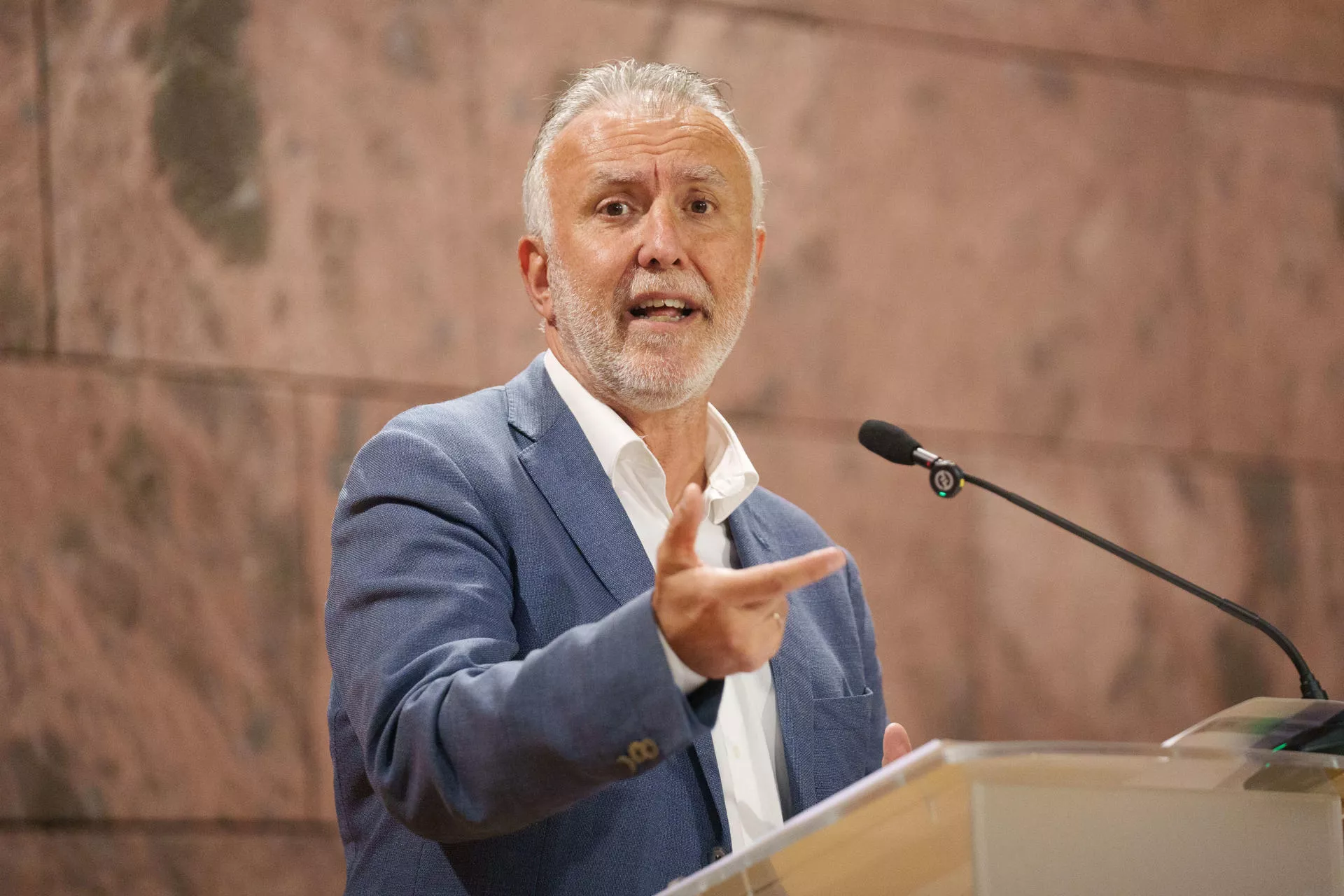
The deal was announced on Thursday in Santa Cruz de Tenerife by Canary Islands President Fernando Clavijo and Minister of Territorial Policy and Democratic Memory Ángel Víctor Torres. This amount includes the previously agreed €15.3 million and an additional €7.8 million linked to a three-month extension of crisis measures.
Clavijo emphasised the importance of this compensation, stating it ensures a fair response for the Islands, given that certain state measures do not directly apply due to its unique economic and fiscal regime. “Canary Islands cannot be left unequal because of a differentiated tax system,” he added, appreciating the Spanish government’s willingness to correct this imbalance.
The President highlighted that the Canary Islands have implemented their own measures to alleviate the crisis’s impact on families and industries, such as fuel tax rebates and support for sectors hit hard by rising energy costs. He noted that the state compensation will finance about a third of these local efforts.
Minister Torres reaffirmed the agreement’s basis in collaboration between the two governments, confirming that the proposal for this transfer would be put forward for Cabinet approval next Tuesday.
In related developments, the Canary Islands government has approved extending its own crisis measures. These include the temporary application of a zero rate of regional fuel tax (IGIC) to lower consumer prices, and a significant increase in the partial tax rebate on fuel for farmers and transporters until September 30, aimed at mitigating the rising costs affecting key sectors.
The decree also allows for adjustment or withdrawal of these measures, depending on fluctuations in fuel prices in the Islands, based on the annual inflation rate of petrol and diesel. These initiatives build on prior fiscal and sector-specific support introduced to help industries affected by the energy crisis.