Canary Universities Call for Changes to New Science Law
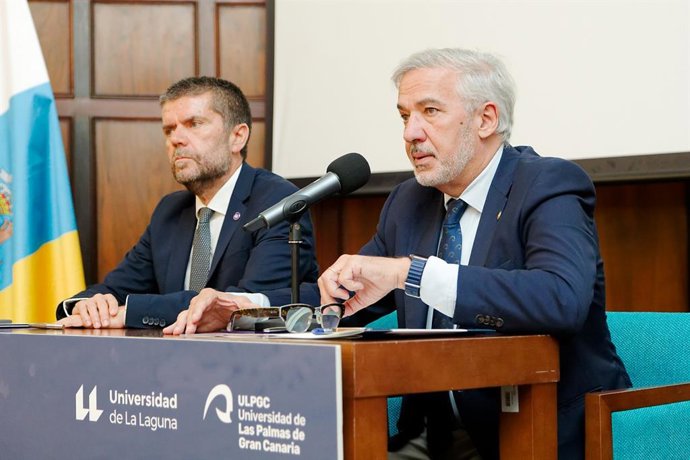
The rectors of the University of La Laguna, Francisco J. García Rodríguez, and the University of Las Palmas de Gran Canaria, Lluís Serra Majem, have written to parliamentarians proposing modifications to the upcoming science law. They believe these changes could enhance coherence, legal security, sustainability, and responsiveness to the actual needs of the Canary Islands’ science, technology, and innovation system.
The rectors stress that while the law aims to acknowledge the diversity of the Canary Islands’ research and development ecosystem, it must also accurately reflect where the majority of scientific knowledge is generated—mainly within public universities.
They expressed concern that the current draft presents a narrow view of science in the Canary Islands, particularly by justifying its value through productivity and economic growth. They emphasise that research is essential for knowledge advancement, education, critical thinking, culture, health, sustainability, social cohesion, and addressing societal challenges.
Another key issue highlighted is the law’s disproportionate emphasis on artificial intelligence, which is given a distinct focus in a dedicated section. The rectors argue that while recognising the strategic importance of AI is vital, it should not dictate the legal framework for the scientific system. They advocate for flexibility in evolving research fields rather than prioritising specific technologies.
The rectors also urge a reconsideration of the composition of the Canary Council for Science, Technology, and Innovation, which, they argue, doesn’t adequately represent the significant role of public universities, as it currently allocates only two representatives per institution in a broadly varied voting body.
Furthermore, they question the establishment of the Canary Foundation for Research proposed by the law, as its potential functions may overlap with existing structures like ACIISI and the universities themselves, raising concerns about possible duplication and the need for additional funding in a context where stable resources for existing priorities remain unguaranteed.