Tenerife and Gran Canaria Set to Advance Railway Development
The Canary Islands government, alongside the Ministry of Transport and Sustainable Mobility, has established monitoring committees to enhance railway infrastructure on Tenerife and Gran Canaria. This initiative follows previously signed protocols aimed at boosting transport systems.
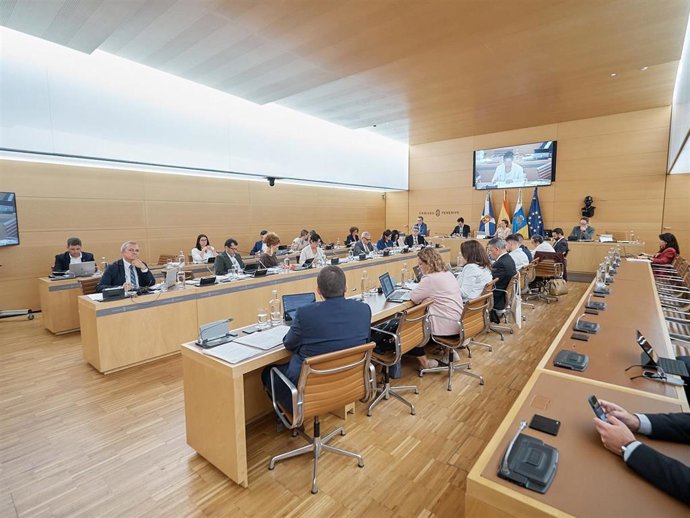
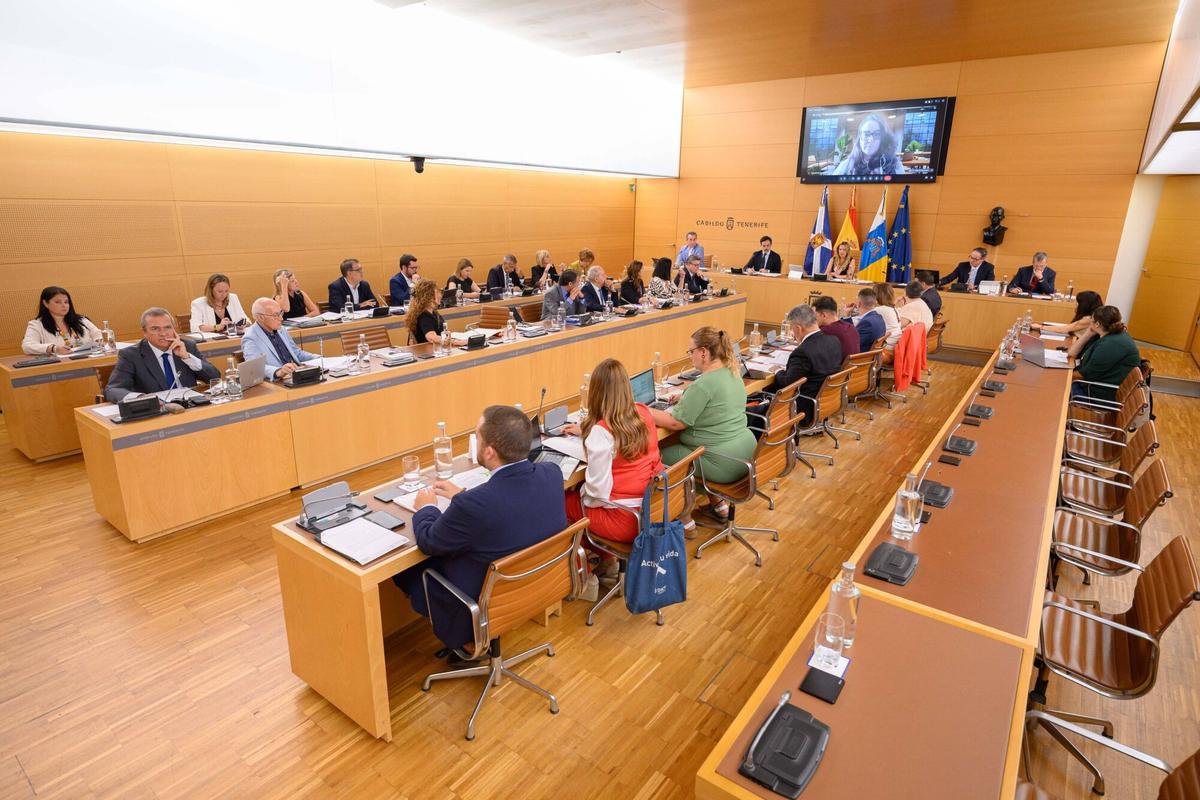
The meeting, held at the Government Presidency in Santa Cruz de Tenerife, marked a progress in technical and legal groundwork, paving the way for negotiations on a multi-year funding agreement. The aim is to improve regional mobility through high-capacity transport systems.
Key participants included Canary Islands Minister of Public Works and Mobility, Pablo Rodríguez, and various officials from local councils, highlighting a collaborative effort to bolster transport infrastructure.
María Fernández, Director-General of Transport and Mobility, expressed optimism about the formation of these committees. She noted they are crucial for developing viable projects ready for execution, emphasising the need for financial stability to outline timelines and project implementation.
The inaugural meeting outlined the creation of two technical committees focused on mobility and impact studies, with plans to reconvene before year-end to discuss solid progress on the funding agreement, which is seen as pivotal for the railway projects.
Sara Hernández, Secretary-General for Sustainable Mobility at the Ministry, underlined the committees’ significance in advancing mobility in both islands. She pointed to the reported approval of an Environmental Impact Declaration for Gran Canaria, while discussions around coordination with AENA are ongoing in Tenerife.
Manuel López, Gran Canaria’s Transport Director, acknowledged the committee as a step forward for the island’s railway future, while Eulalia García, Transport Councillor for Tenerife, highlighted the enhanced coordination this initiative brings to intergovernmental collaboration.
The newly formed committees will oversee the implementation of agreed actions, facilitate technical cooperation, and ensure both railway projects progress effectively. They are also set to explore specific agreements once the technical, socio-economic, and environmental viability of the planned actions is confirmed, including potential state and European funding options.