Tenerife Residents Cover 40% of Masca Eco Tax through Taxes
Tenerife residents are subsidising 40% of the costs associated with an eco tax for accessing the popular Masca ravine. In its first 17 months, the system has cost approximately €1.7 million, with nearly 60% funded by the income from the tax. The remaining 40% has been met by local government funds.
Access to the ravine is limited to 275 visitors daily from Friday to Sunday, costing €3 for Canary Island residents and €28 for foreign visitors. Locals are exempt from the fee.
This setup has initiated political debate regarding the true nature of the eco tax. Aarón Afonso, spokesperson for the PSOE party at the Cabildo of Tenerife, argues that the system cannot be seen as a genuine tourist eco tax, as a significant portion of the costs still falls on public resources.
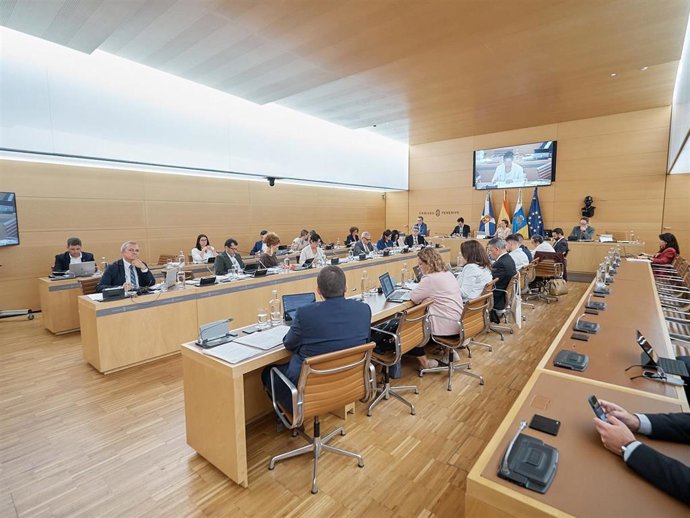
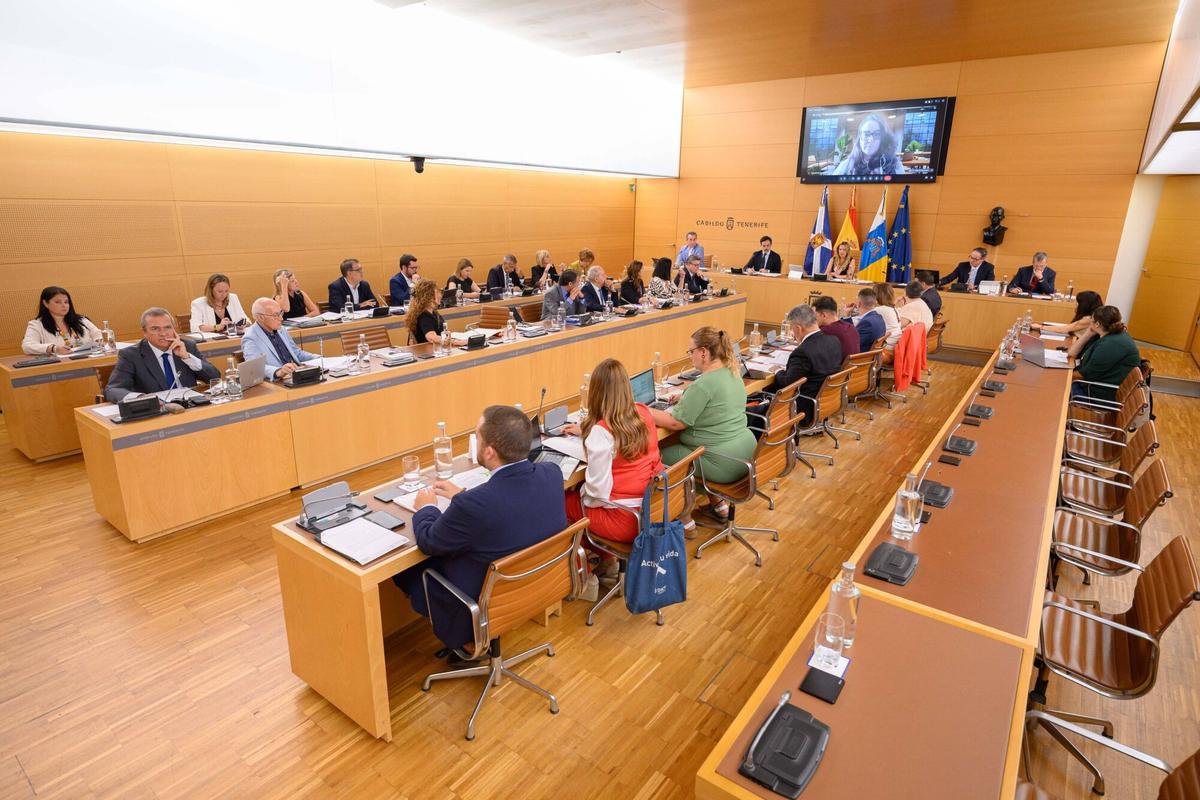
The discussion arose during a council meeting on Friday, where an extra €100,000 was allocated to the public company Tragsa for managing the service at Masca. Afonso indicated that the management costs from July 2024 to November 2025 are expected to reach about €1.9 million.
The local government defends the system as a way for visitors to contribute to managing access to one of Tenerife’s most sought-after natural sites. However, the PSOE believes that the current arrangement does not fully cover all expenses, leaving the island’s residents to foot part of the bill.
Afonso asserts that the fees charged are not a true eco tax but rather “private prices” to access regulated areas, failing to act as a general tourist tax intended to offset tourism’s environmental impact.
He points out that the income generated during this period is around €1 million, with the deficit covered by Cabildo resources. “In the end, we’re paying for the Masca service through our taxes,” Afonso stated.
The PSOE proposes implementing a proper eco tax that would charge non-residents staying in local tourist accommodations per night. Afonso claims this revenue could fund various projects, including managing the Masca ravine, conserving natural spaces, and improving infrastructure related to tourism, alleviating the financial burden on residents.
This contrasts with the local government’s stance, which promotes the Masca system as a solution for managing visitor access, though Afonso stresses that it only covers about 60% of the costs, leaving the remainder reliant on public funds.