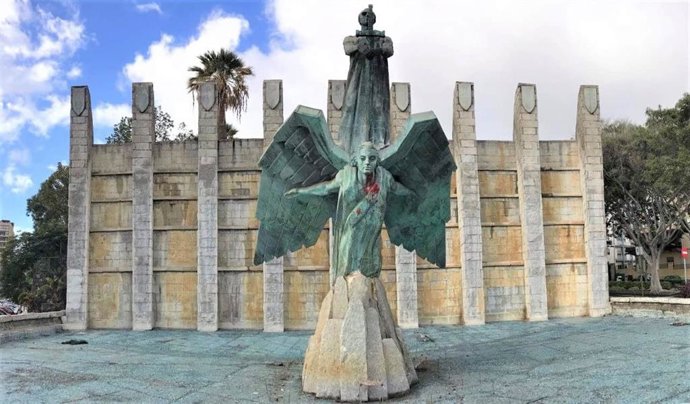
Franco Monument Debate Heats Up in Santa Cruz de Tenerife
The Tenerife Cabildo’s ruling coalition, comprising the Canarian Coalition (CC) and the People’s Party (PP), has expressed caution regarding a motion from the Socialist Party. This motion urges the Santa Cruz de Tenerife City Council to comply with national and regional memorial laws and remove a monument dedicated to Francisco Franco.
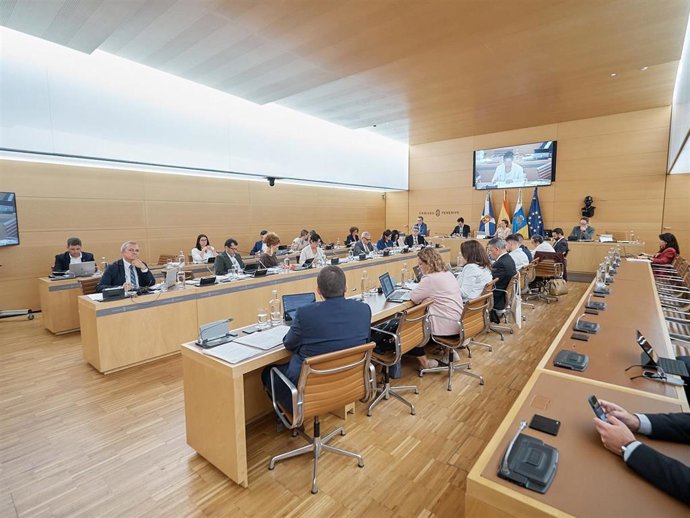
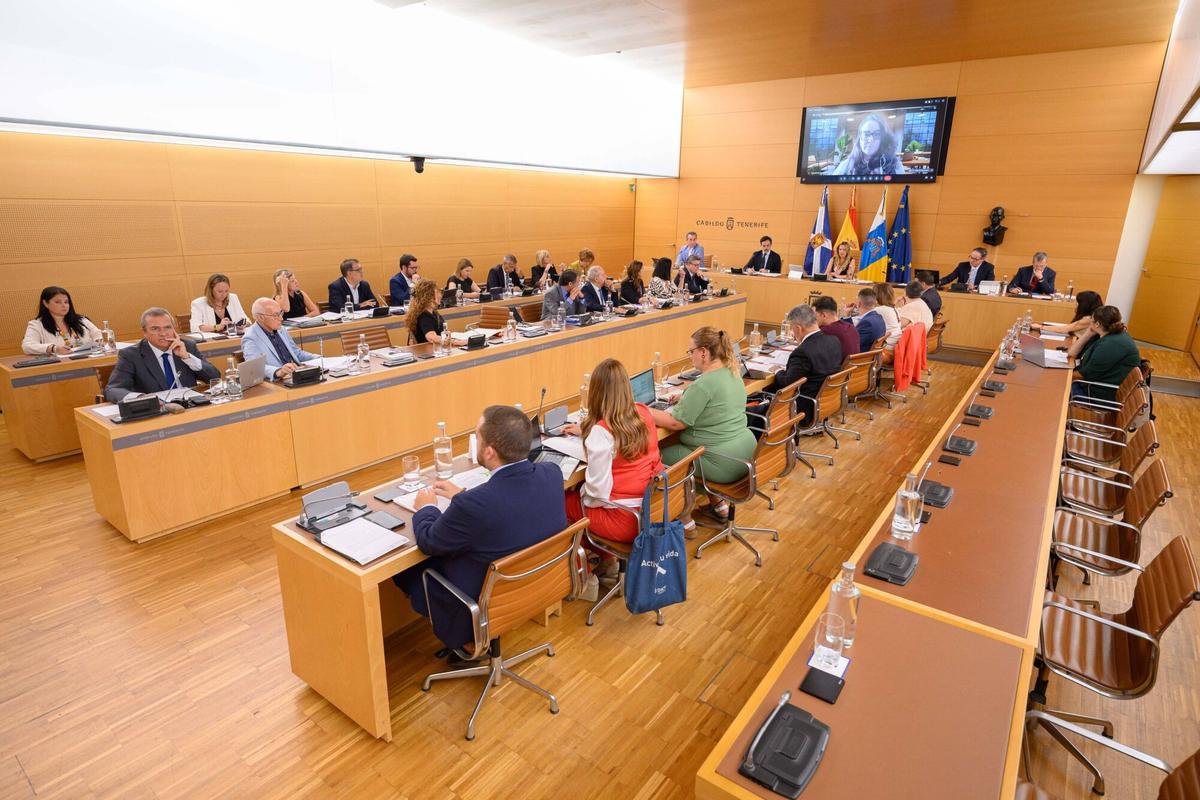
Juanjo Martínez, the Cabildo’s Innovation Minister, stated during the assembly that discussions about the monument should be postponed until the ongoing legal process is resolved. He emphasised that current efforts only aim for headlines and do not honour the victims of the dictatorship. Martínez warned that pushing another public body to act without legal grounds would likely lead to failure, recalling past experiences.
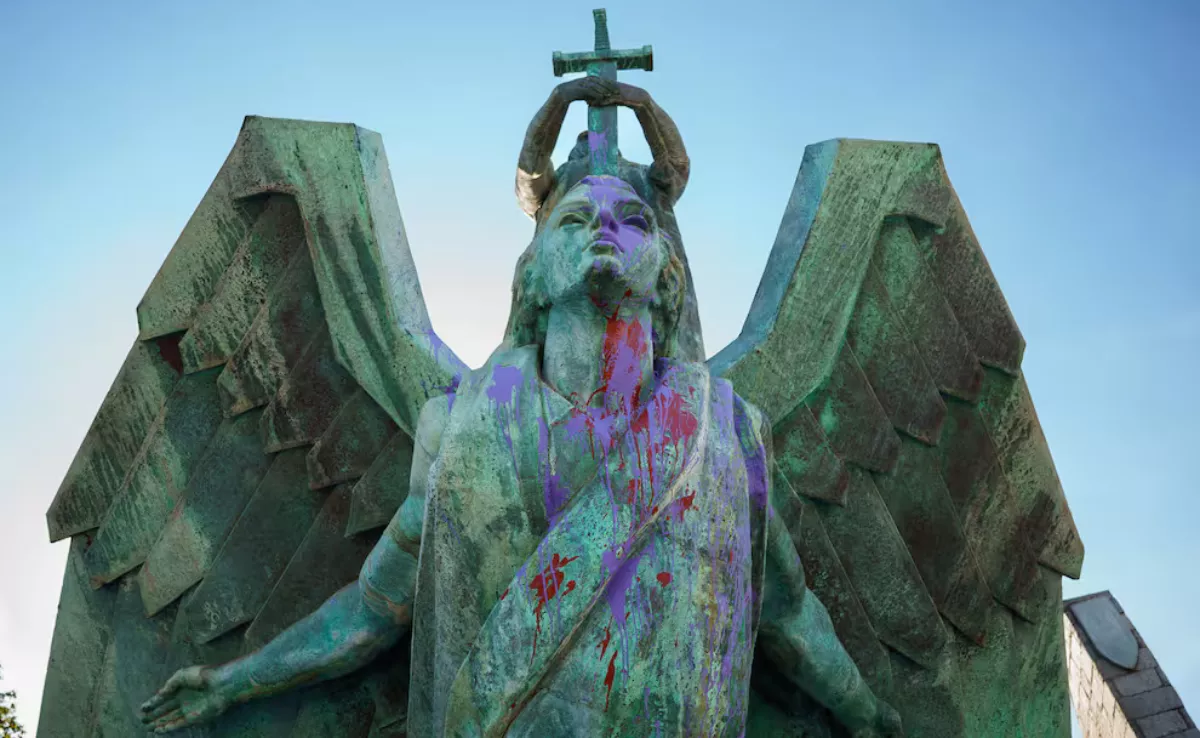
This debate follows a negative report from the Canarian Cultural Heritage Commission regarding the monument at the junction of Avenida Anaga and Las Ramblas. The commission found that the sculpture lacks the necessary heritage values for protection as a Cultural Asset of Interest (BIC), a status defined under Canarian cultural heritage laws.
This decision forms part of an evaluation initiated by the Cabildo in October 2024, aligned with a judgement from the Santa Cruz de Tenerife Administrative Court issued on June 28, 2024.
During the debate, Vox’s Ana Salazar criticized the Socialist motion as an indication of the party’s inability to envision the future. She questioned how demolishing the sculpture would improve the quality of life for locals, highlighting its artistic significance from renowned sculptor Juan de Ávalos.
In response, Socialist spokesperson Aarón Afonso pointed out that the Canarian Cultural Heritage Council already determined the monument lacks outstanding artistic value. He called on the Cabildo to recognise and honour the victims of Franco’s regime.
Meanwhile, José Carlos Acha from the PP advocated for the Santa Cruz City Council’s autonomy, insisting it should decide based on its own competencies once the government’s inquiry has concluded.