
– Germán L. Maymo/ACFI – Europa Press
SANTA CRUZ DE TENERIFE, 19 Jun. (EUROPA PRESS) –
The Tenerife Medical Association has warned that dermatology consultations on the island have increased following the Mass celebrated by Pope Leo XIV in Santa Cruz de Tenerife’s port at midday.
Dermatologist Marina Rodríguez has highlighted a rise in sunburns and outbreaks of photosensitive diseases due to prolonged exposure during the papal visit. She emphasises that sunscreen “is not enough” when exposure to the sun is extended and during peak hours.
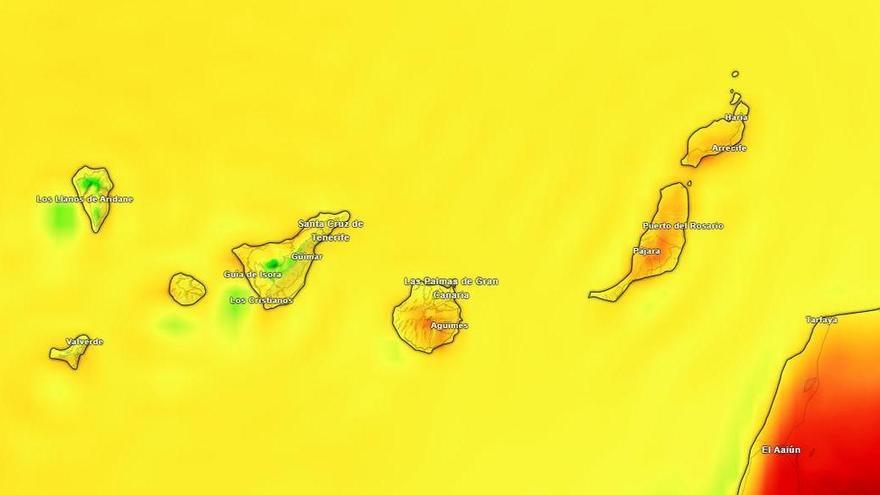
Following the recent large-scale events in Tenerife related to the Pope’s visit, local dermatologists have reported an increase in consultations concerning the effects of excessive ultraviolet (UV) radiation. This is especially notable after prolonged outdoor exposure during peak sun hours, particularly on days when UV radiation levels were high.
The primary conditions observed include sunburns, exacerbation of photosensitive diseases, and reactivation of inflammatory skin conditions in predisposed patients.
Dr Rodríguez notes, “People often associate sun protection solely with the use of sunscreen. However, when someone spends several hours in the sun, particularly in the Canary Islands during peak radiation hours, sunscreen alone is insufficient to prevent skin damage.”
Numerous patients have visited clinics with burns on less protected areas such as the nape of the neck, back of the feet, forearms, ears, and scalp, especially in those with thinner hair.
These areas, the doctor points out, receive direct and cumulative radiation during prolonged events, and often sunscreen is not reapplied as frequently as necessary.
In addition to sunburns, dermatologists have noticed exacerbations of various skin conditions sensitive to UV radiation, including rosacea, resulting in increased redness and inflammatory outbreaks. Other issues include cutaneous and systemic lupus, which are particularly sensitive to UV exposure, polymorphic light eruption, or ‘sun allergy’, and other pre-existing photosensitive dermatoses.
UV radiation can act as an immunological and inflammatory trigger, worsening diseases that were previously under control. The Canary Islands are among the regions in Europe with the highest UV radiation levels, according to the Association.
Factors contributing to high UV radiation in the Canaries include latitude, altitude, high annual sunshine, and light reflection off surfaces like pavement or the sea.
During summer, extreme UV index levels can occur, which can cause significant skin damage in relatively short periods.
SUNBURNS EVEN WITH SUNSCREEN
Consequently, experts remind us that sunburns can still occur even when using sunscreen if exposure is intense and prolonged.
They stress that modern sun protection should be viewed as a multifaceted strategy. This includes using a broad-spectrum sunscreen — SPF 50+ — reapplying it every two hours and after heavy sweating, wearing wide-brimmed hats, dressing in dense or UV protective fabrics, using certified sunglasses, and seeking shade whenever possible.
Moreover, dermatologists particularly emphasise the role of umbrellas as a physical protective measure.
“An umbrella does not replace sunscreen but serves as an extraordinarily useful adjunct. Its use at mass outdoor events during summer should be normalised, similar to practices at the beach,” they highlight.
In anticipation of further large gatherings during the summer, Dr Rodríguez recommends avoiding prolonged exposure between 12:00 and 17:00 hours, planning frequent breaks in shaded areas, staying hydrated with water, specifically protecting the neck, ears, feet, and forearms, and using umbrellas or portable shade structures when events last several hours.
Excessive sun exposure not only causes immediate burns but also accelerates skin ageing, promotes local immunosuppression, and increases the long-term accumulated risk of skin cancer.