Summer Travel in Spain
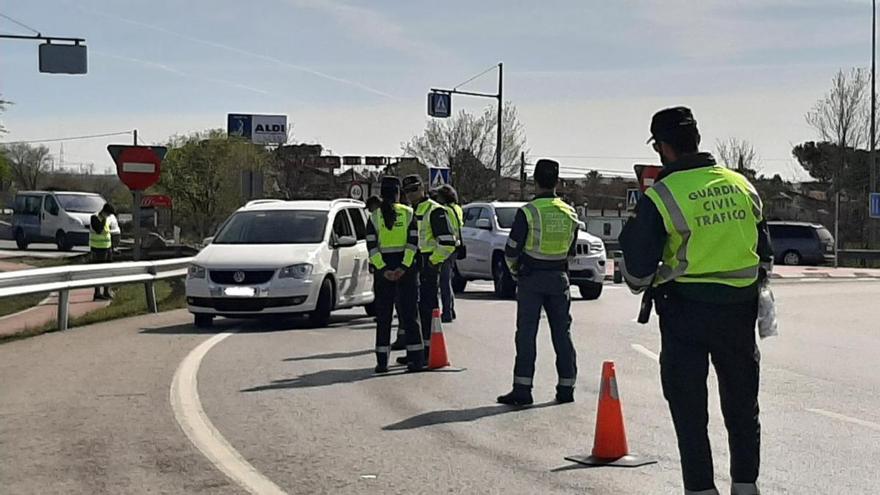
The summer travels will fill Spanish roads with millions of drivers, a period during which traffic jams and slow circulation increase. The Directorate General of Traffic (DGT) and the Civil Guard aim to streamline areas with high traffic density and, at times, create special lanes. However, many drivers are unaware of the regulations governing these lanes, which can jeopardise road safety.
The Civil Guard has shared a video on its social media reminding drivers how to use the additional lanes. “If you are going to travel by car, keep in mind these details about how to navigate the additional lanes,” they warn.
Lanes Opposite the Usual Direction
These are typically created on motorways and highways when the volume of traffic is particularly high in one direction. The Civil Guard utilises part of the opposite carriageway, marked with cones, to generate an extra lane to alleviate congestion.
In such cases, drivers must use their low beam headlights at all times, both day and night, and adhere to a speed limit of between 60 and 80 kilometres per hour.
How to Use Additional Lanes
The additional lanes are those that “are created for traffic in the opposite direction to the usual one, which is clearly marked and signposted.” These lanes are often established by narrowing existing lanes and utilizing the hard shoulders to increase roadway capacity.
The regulations also require drivers to use their low beam headlights and maintain a speed of between 60 and 80 kilometres per hour. The DGT reminds that these restrictions apply to all vehicles in the area where the special lane has been implemented.
Reversible Lanes
In urban access areas, reversible lanes can be found, easily identified by the presence of specific traffic lights above the road and a double dashed line that marks the lane.
In these lanes, it is also mandatory to drive with the low beam headlights on, and it is prohibited to invade the lane designated for the opposite direction.