Consenso, Confianza y Credibilidad en el Plan Director del Estadio Heliodoro Rodríguez López
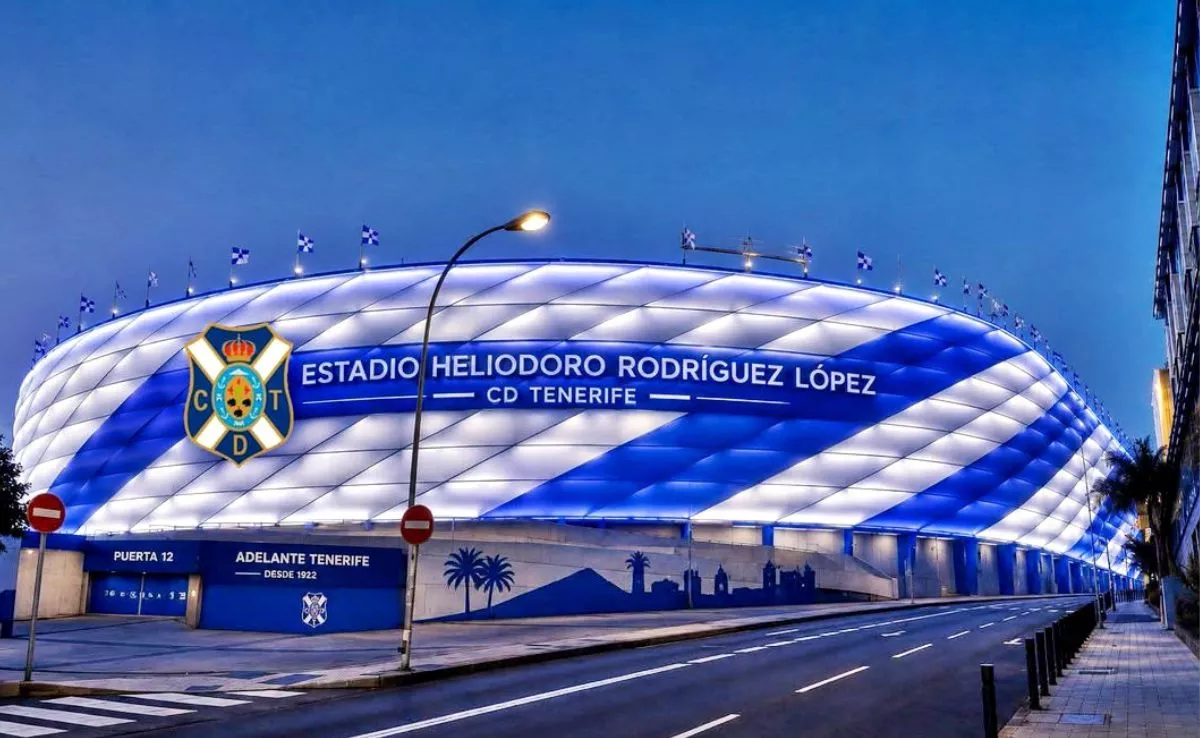
Consenso, trust, and credibility were perhaps the most frequently mentioned words during the extraordinary Plenary session held by the Cabildo of Tenerife. This meeting, called at the request of the Insular Socialist Group, focused on the Director Plan for the Heliodoro Rodríguez López Stadium. The necessity for widespread consensus regarding the stadium’s future was emphasised by the ruling coalition (CC and PP) within the insular corporation. Meanwhile, issues of credibility and trust were raised by the socialist group from the opposition.
Illusion or Reality?
To unpack this further, it should be recalled that the Cabildo of Tenerife, along with the presidency of the Club Deportivo Tenerife (both men’s and women’s teams), and other representatives of local sports presented the aforementioned Director Plan for the stadium’s refurbishment. This was described as a “roadmap,” as termed by the insular president, Rosa Dávila, during the plenary session.
From the opposition, socialist councillor Aaron Afonso criticised the government for once again playing with the emotions of fans. He claimed that what was presented is based purely on “illusion,” similar to the assurances given to former club president Paulino Rivero in October 2023 when they presented a refurbishment plan for the centenary of Tenerife. Furthermore, Afonso questioned whether there was any concrete project, guarantees, or approval, emphasising that what the Island Government presented was merely a document with “no deadlines, just possible timelines that may or may not materialise.”
Controversy
The controversy lies in the distinction between a political roadmap and a technical project ready for execution. The opposition feels that the plan’s presentation has raised expectations that are not yet matched by a completed dossier. In contrast, the insular government argues that this interpretation is incorrect, as the document is designed to integrate phases, timelines, and successive decisions.
In response, Lope Afonso, the Vice President of the Cabildo, clarified to Atlántico Hoy that the commissioning of the Director Plan “has always been intended” to serve as a tool for “ordering, prioritising, sequencing, and providing coherence to all necessary actions” at the Heliodoro and its surroundings.
Not a Closed Document
He explained that the document is not intended to abruptly close the stadium’s refurbishment but to accommodate urgent interventions already underway and lay the groundwork for subsequent phases. “All of this is integrated into the Director Plan, in the document, as the first phase and preliminary phases that are either completed or underway,” the Vice President stated, referring to actions related to safety, evacuation issues, and deficiencies within the facility. For the Cabildo, this is precisely the function of the plan: to regulate a gradual transformation without promising a completed project in the short term.
Phases and Timelines
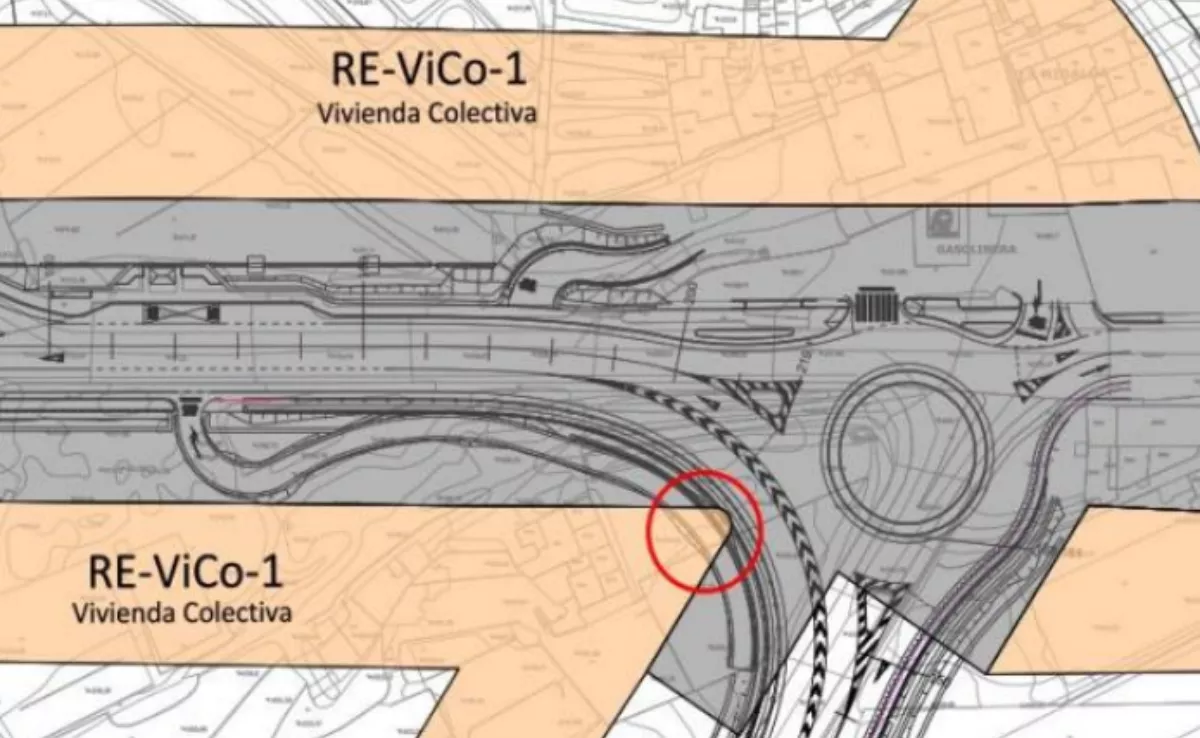
Afonso highlighted that, based on this foundation, there is already a standalone project underway to expand the changing rooms in the mixed zone and for press facilities. This project requires increasing space towards the exterior and affecting part of the public domain and La Mutine street. “This is an urban operation that necessitates consensus with the City Council, which needs to authorise it,” he warned, adding that the proposal lacks coverage in the current planning of Santa Cruz. This complexity, he noted, has contributed to some delays compared to initial expectations. However, he asserted that the project was submitted “a few days ago” and will clarify timelines, construction sequences, and bidding amounts. The goal is to move towards a second phase focusing on the exterior façade and elements like perimeter fencing and a new plinth.
A Future Outlook
The Vice President of the Cabildo projected that the complete refurbishment of the stadium could be realised around 2030, although he noted that this may be advanced if the actual execution of the works allows it. Beyond that, the plan opens a third phase with “considerable” but not essential improvements, such as increasing capacity or modernising the hospitality area. The most ambitious part arrives in the fourth phase, where the document shifts focus from just the stadium to its urban surroundings. At this point, Afonso discussed a transformative approach, including new mobility logic and the potential for undergrounding San Sebastián Avenue. Consequently, he asserted that the Director Plan envisions a scenario extending to 2040, “because more than in the stadium itself, actions will take place around the stadium.”
Consensus
The Vice President reiterated that decisions of this magnitude cannot be imposed unilaterally. “The decision of whether we stay here or move somewhere else must be made by consensus,” he stated, referencing the fundamental debate over whether the Heliodoro should be refurbished in its current location or if an alternative could be considered in the future. He underscored that the Cabildo cannot impose a Director Plan but must guide the process and keep significant decision-making open. “This is a plan, let’s say, open to changes,” summarised Afonso, defending that the Cabildo’s obligation is reflected in the ongoing actions and the completion of the second phase with a refurbished stadium. After that, he said, subsequent scenarios must be agreed upon between institutions and the local community engaged with Tenerife. For now, the Director Plan serves as a roadmap. Once the document is finalised as a project, the Sports department will elevate it to the Government Council for approval and implementation.