Delegates from Spanish Free Trade Zones Unite for Strategic Cooperation
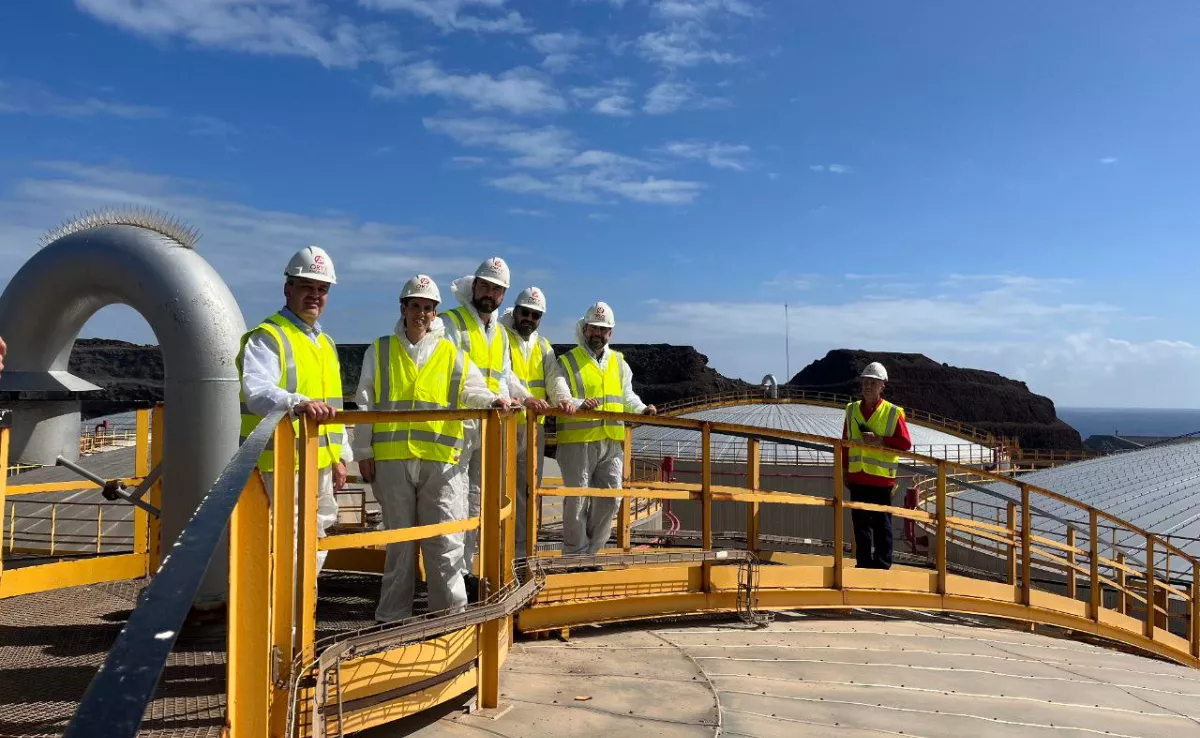
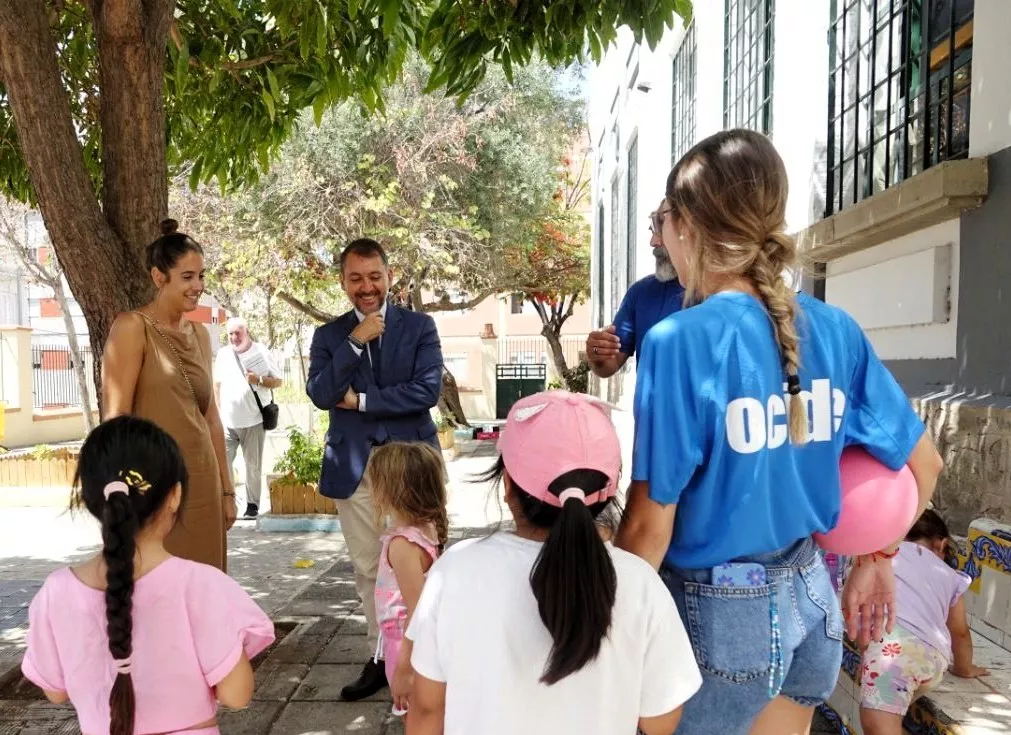
The Free Trade Zone of Gran Canaria welcomed a visit on Friday, the 23rd, from Francisco González, the special delegate of the State in the Free Trade Zone of Cádiz; Laura Rivas, the director of projects in the Free Trade Zone of Vigo; and Manuel Martínez, the special delegate of the Free Trade Zone of Tenerife. This meeting facilitated the exchange of strategies aimed at reinforcing cooperation while focusing on future growth and establishing a key Atlantic hub for Spain.
Collaboration at the Forefront
Delegates Gabriel Corujo from Gran Canaria and Francisco González from Cádiz agreed that, although the seven Spanish free trade zones have distinct characteristics, collaboration is essential for overcoming common challenges. The objective is clear: to share successful models, harness the competitive advantages of each location, and operate under the brand of the Government of Spain.
Internationalisation Efforts
The international expansion of companies is at the heart of this joint initiative. This strategy aims to open new markets and strengthen the presence of local businesses on the global stage. The Free Trade Zone of Cádiz contributes its valuable experience in this regard. González highlighted “the support provided to the business fabric,” emphasising that collaborative efforts enhance stability and trust, as they are backed by state structures: “We can offer advantages and benefits that only a public institution can guarantee,” he stated.
The Atlantic Corridor
During the meeting, the geostrategic position of the Archipelago and southern mainland Spain was emphasised. The vision is to enhance the Atlantic Corridor as a commercial bridge between Latin America, Europe, and the growing African market. Furthermore, discussions included opportunities related to the blue economy and innovative sustainable models tied to the sea.
Land Management
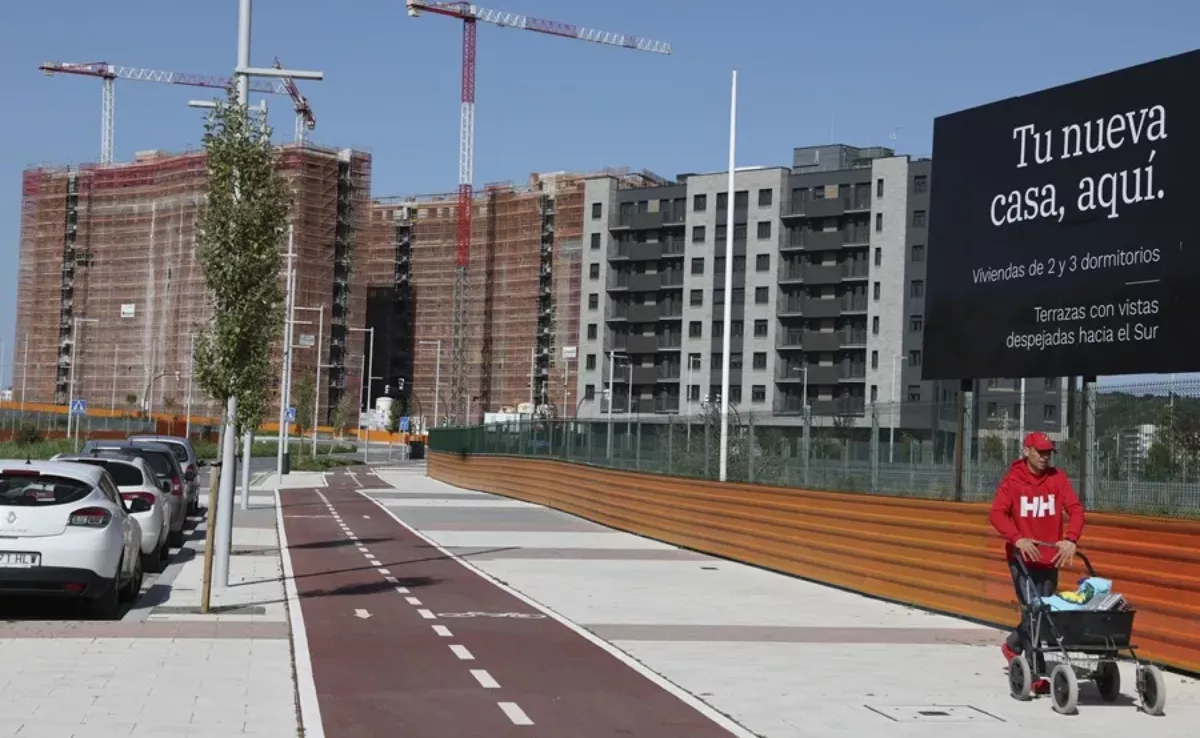
If international momentum defines the direction, then industrial land management sets the pace. Corujo explained that the development of the Free Trade Zone of Gran Canaria will heavily depend on preparing land for interested companies: “Not only large investors should have access, but also SMEs, which account for 90% of the Canary Islands’ business fabric.” The models established in Cádiz and Vigo serve as references, with the Free Trade Zone bearing the initial urbanisation costs to provide ready-to-use spaces for business installation. This approach democratises access to opportunities and facilitates short- to medium-term planning.
Oryx: A Success Story
As a case in point, Corujo highlighted the Oryx project, which would not have materialised in the Canaries without the fiscal and operational advantages offered by the Free Trade Zone and the Special Canary Zone (ZEC). This model showcases the effectiveness of these tools in attracting investment, employment, and economic activity to the Archipelago. The strengthened collaboration between Cádiz, Vigo, Tenerife, and Gran Canaria represents “the continuity of pragmatic work” focused on replicating successful models and reinforcing Free Trade Zones as economic engines of the Atlantic.