Increasing Difficulty in Purchasing Homes in the Canary Islands
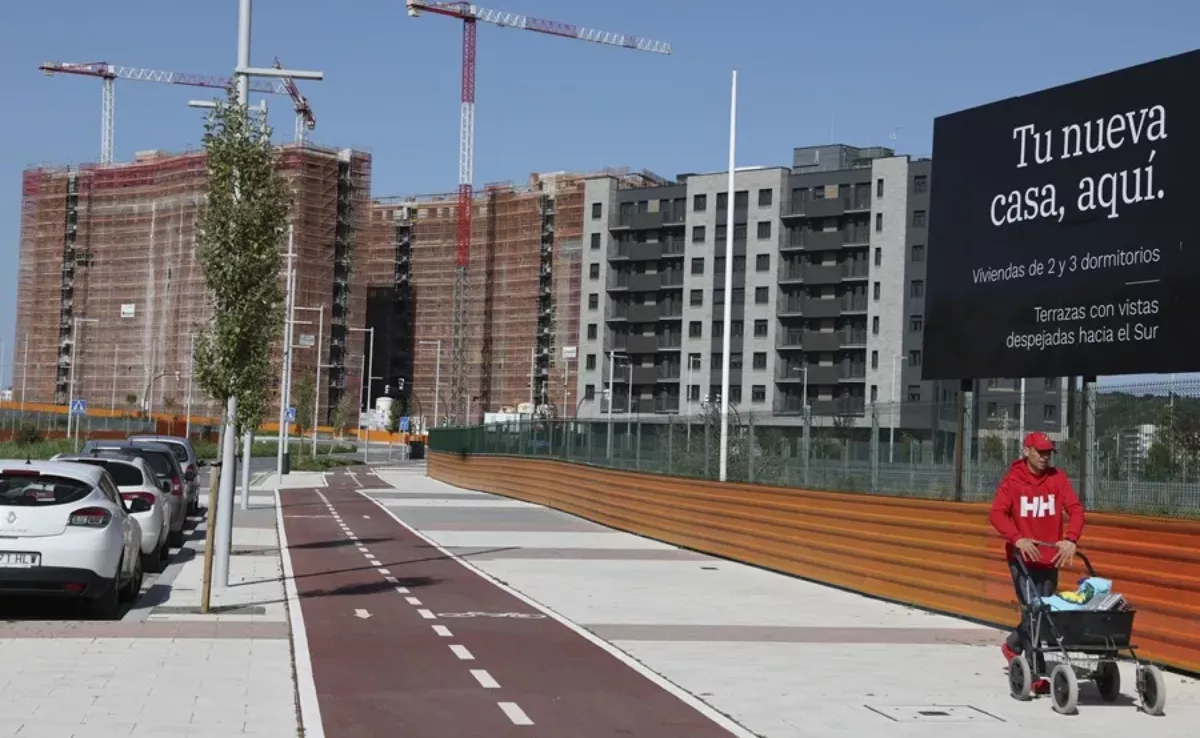
Buying a house in the Canary Islands has become an increasingly difficult goal for a significant portion of the population. The latest study on the relationship between salaries and home purchases reveals a figure that sums up the tension in the island’s real estate market: a resident in the archipelago would need to allocate 122 months of their gross salary, equivalent to 10.1 full years, to acquire a property.
Salary and Housing Price Analysis
This data arises from an analysis based on average salaries offered on InfoJobs and the average prices of second-hand housing collected by the Fotocasa Real Estate Index. The conclusion is clear: the rising cost of housing is progressing much faster than wages, pushing the Canary Islands towards one of the most challenging access scenarios in Spain.
Surging Housing Prices
The primary reason for this financial strain is the spike in housing prices. In the Canary Islands, the price per square metre reached €3,319 in December, reflecting a 21.3% annual increase. In contrast, the average gross salary in the archipelago stood at €26,186 annually, which equates to about €2,182 gross per month over 12 payments. When comparing these figures, it becomes evident that a typical 80-square-metre home demands over a decade of full income.
Furthermore, the comparison with the previous year shows a marked deterioration: residents now require 11 months more earnings than they did a year ago to purchase a home.
Santa Cruz de Tenerife Struggles
The real estate pressure does not affect all regions equally. In the province of Santa Cruz de Tenerife, the situation is particularly complex. According to the report, residents here need 11.3 years of gross salary to buy an 80-square-metre property. This figure places Santa Cruz de Tenerife as the fifth province in Spain where the most effort is required to access a home.
Only surpassed by the Balearic Islands (15.1 years), Madrid (15 years), Málaga (12.9 years), and Gipuzkoa (11.7 years). Following closely is Barcelona, with 10.2 years.
Canaries Exceed National Average
The national average stands at 101 months of gross salary, equivalent to 8.4 years of full earnings. Thus, the Canary Islands are clearly above the national average. In Spain, the average price of housing reached €2,879 per square metre after a 20.5% increase, while the average annual salary was €27,336, around €2,278 monthly.
The situation has worsened across nearly the entire country. The effort required to buy a home has increased in 15 autonomous communities, remained stable in two, and decreased in none.
The Growing Wage-Housing Gap
The report highlights one of the significant problems in the current residential market: salaries are growing at a pace far slower than housing prices. While salaries show only moderate increases, the real estate market continues to escalate, especially in areas strained by demand, whether residential, tourist, or investment-related.
In the Canary Islands, this gap is particularly pronounced. The archipelago combines rising prices, a scarcity of affordable supply, and growing demand in urban, coastal, and tourist areas.
The Most Affordable Provinces
On the opposite end of the spectrum, 17 Spanish provinces require less than five years of gross salary to purchase a home. The most notable case is Jaén, where only three years of full earnings are necessary to buy a property. There, the average price is €1,038 per square metre, a stark contrast to the €3,319 recorded in the Canary Islands.
Increasing Challenges for Canary Islanders
The figure of 10.1 years of salary does not imply that a family can realistically finance a home within that timeframe. The calculation is based on gross earnings and does not deduct essential expenses such as food, transport, rent, utilities, or taxes. Therefore, in practice, the effort required to purchase a home is significantly greater for most households.
The report confirms a reality already perceived in the streets, among real estate agents, and in family discussions: buying a house in the Canary Islands has become one of the most challenging economic decisions for residents, young people, and families striving to establish a life project in the islands.