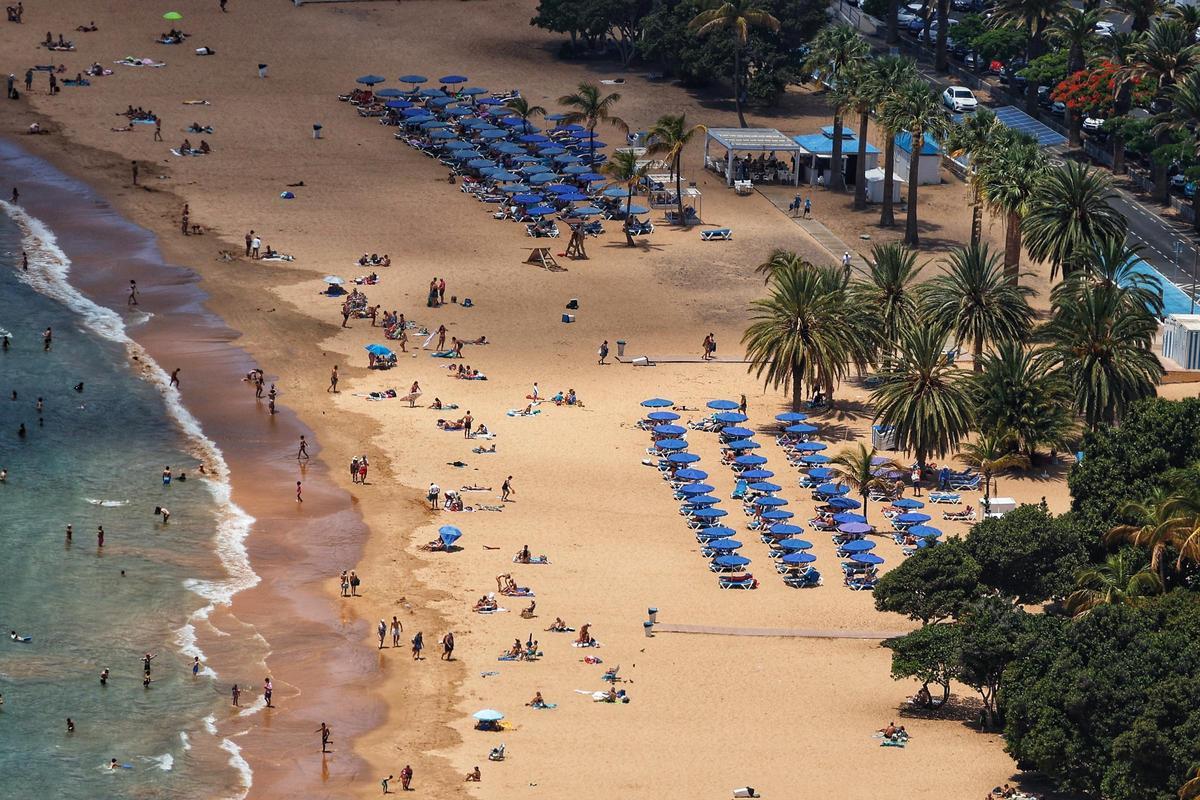
Tenerife’s Shoreline Faces Environmental Crisis
Tenerife has been singled out as a major example of coastal deterioration in the Canary Islands, according to environmental group Ben Magec-Ecologistas en Acción. This year, the organisation awarded its notorious “Black Flags,” highlighting the most critical areas affected by pollution and poor management. Half of the four awards for the Canary Islands target severe environmental conflicts on the island, specifically the long-neglected Las Teresitas beach and the controversial Cuna del Alma project in Adeje.
The group emphasised that these flags aim to highlight urgent points for intervention amidst public inaction and urban pressures. The situation in Tenerife is particularly concerning, showing vulnerabilities in sustainability and land protection.
Key Issues Raised
Las Teresitas Beach – Black Flag for Pollution:
This iconic beach has received the flag due to “severe neglect planned over decades.” Residents from San Andrés and users from Santa Cruz face daily challenges from uncontrolled waste disposal, public space privatisation, lack of essential infrastructure, and major accessibility and safety issues.Cuna del Alma Project – Black Flag for Poor Management:
This controversial development continues to earn the black flag for the third consecutive year. Ecologists highlight that it’s the last coastal village in the southwest of the island free from large-scale constructions, crucial for its historical and environmental value. Work on the site resumed in November despite a lack of environmental impact assessment and multiple legal suspensions. Activists are optimistic that ongoing legal challenges will lead to accountability for what they term an “ecocide.”
Situation in Las Palmas Province
Overall, Ecologistas en Acción’s report adds two more significant issues affecting other islands:
Telde, Gran Canaria is facing a crisis in aquaculture due to chronic pollution linked to industrial fish farming. Past incidents, such as the massive die-off of sea bass in 2025, forced the closure of popular beaches like Melenara, contaminating much of Gran Canaria’s coastline.
Arrecife, Lanzarote has been flagged for mismanagement linked to overwhelming tourist numbers. For 2026, forecasts suggest an influx of 700,000 cruise passengers, a figure deemed unsustainable as it could overwhelm local services and protected areas like Timanfaya National Park.
Mixed Outcomes
Despite these alarming reports, Ben Magec-Ecologistas en Acción celebrates a collective win— the cancellation of the controversial ‘Underwater Gardens’ theme park. While Playa Jardín in Puerto de la Cruz reopened for swimming last year after pollution issues, groups like the Stop Sewage Platform insist that crucial work remains on wastewater management in the islands.