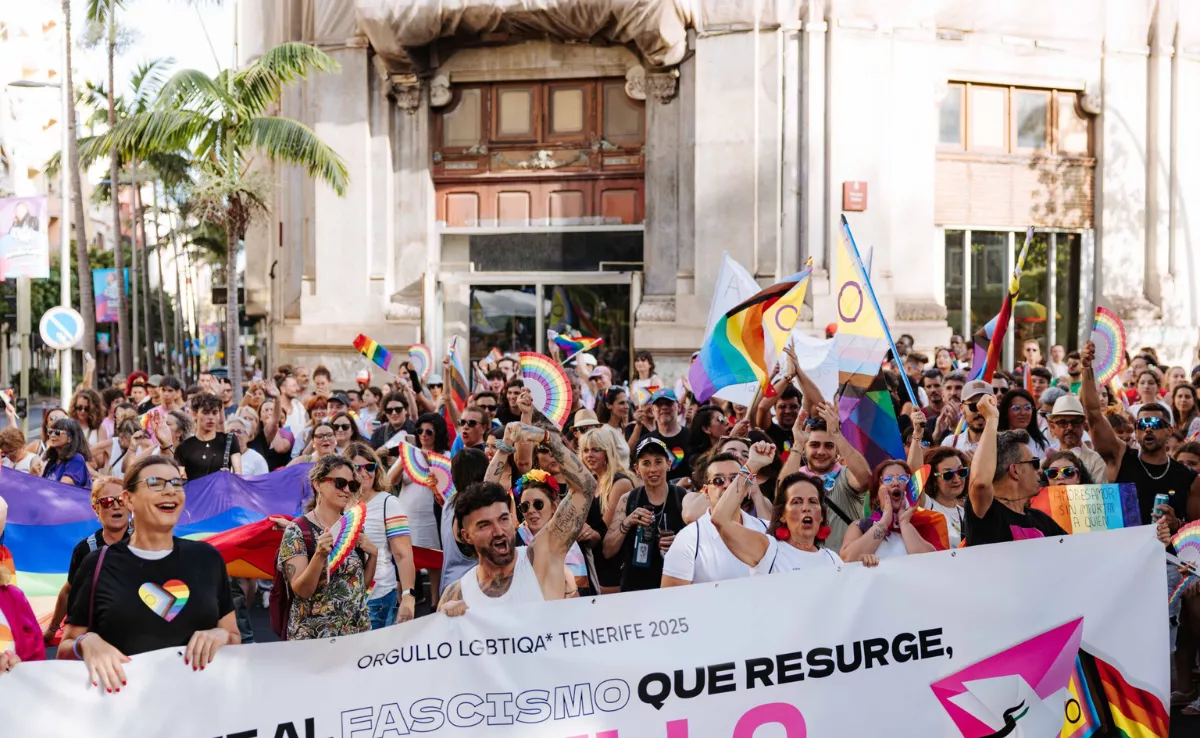
LGBT Pride events are returning to the streets amid growing concerns about rising hate crimes. Recent data from Spain’s Interior Ministry indicates that such incidents reached their highest levels on record in 2025, with a 23.6% increase. Activists stress that this situation underscores the need for ongoing advocacy for rights that remain precarious.
Sergio Siverio, spokesperson for the group Diversas, states that the rise in hate crimes based on sexual orientation, identity, or expression is not surprising. He points out that the official figures likely underreport the true extent of violence faced by the community, as many individuals hesitate to report incidents due to fear or a lack of trust in law enforcement.
Diversas offers legal support to victims and has seen a steady rise in the number of individuals seeking help. Siverio links this increase to a broader social and political climate, suggesting that hate speech is infiltrating society through social media, the press, and political rhetoric. He identifies social media as a significant factor in the spread of hate, providing anonymity and a sense of impunity for those targeting LGBTQ+ rights.
Young people, especially, are absorbing these hostile narratives, a trend evident in the educational outreach Diversas conducts. Siverio highlights the impact on students, noting that some may face bullying severe enough to force them to change schools.
Certain groups within the community, particularly trans individuals and non-binary people, are at greater risk of harassment. Siverio describes even basic expressions of affection in public, like holding hands, as acts of bravery in some communities, especially in rural areas.
Despite rising fear and insecurity, Siverio urges the community not to retreat into silence or invisibility. He warns against allowing any easing of hard-won freedoms and insists on the importance of maintaining public visibility and activism. “We will not return to the closets,” he asserts strongly.
Siverio also calls for greater action from Canary Islands institutions, criticising delays in implementing regulations from the recently passed Trans and Intersex Law. He claims that the local government prioritises other issues over diversity.
In a stark warning, he encourages political parties to establish a “cordon sanitaire” against far-right groups, urging them not to allow such factions into local or regional governments, even if their votes are needed for a majority.
With the increasing prevalence of hate crimes and harmful rhetoric, Siverio highlights the importance of ongoing mobilisations, calling for protests in La Orotava and Las Palmas de Gran Canaria. “Hatred and discrimination can go back to the closets, but we will not,” he concludes.