Delay in Special Protection Plans for Santa Cruz de Tenerife
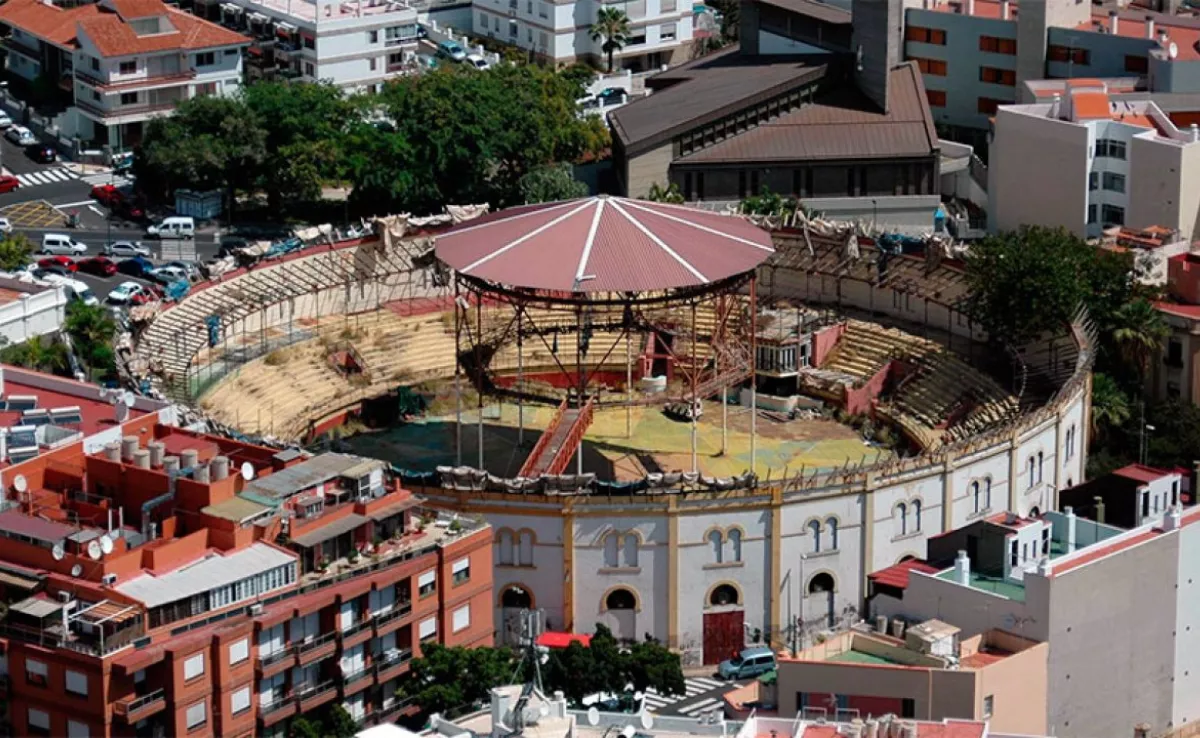
The Municipal Urban Planning Department of Santa Cruz de Tenerife has officially acknowledged that an overload of work and the prioritisation given to other planning instruments have led to the suspension of the special protection plans for the Historic Ensemble of Old Santa Cruz and the Los Hoteles-Pino de Oro neighbourhood. The latter is a key urban document for the future of the Plaza de Toros. This is stated in a response signed on 10th June 2026 by the Urban Planning Councillor, Zaida González, in reply to a question posed by the Socialist Municipal Group regarding the status of both special plans.
Stalled Progress
In the document, the Department explains that the processing of the two instruments began in 2014 under the applicable legislation at that time. However, in the subsequent years, regulatory changes necessitated adjustments and expansions to their content. Urban Planning highlights that the enactment of the Canary Islands Land Law and the Canary Islands Cultural Heritage Law, along with the expanded boundaries of the Los Hoteles-Pino de Oro Historic Ensemble, led to the termination or conclusion of contracts with the drafting teams.
From 2021, the Department initiated new tenders for both plans. Nevertheless, the situation became complicated once more. In the case of the Special Protection Plan for Los Hoteles-Pino de Oro, the works were awarded; however, in 2025, the technical reports concluded that the documentation submitted by the company did not meet the required content or follow the service’s instructions. According to the Councillor, discrepancies between the technical team and the drafting group resulted in the mutual termination of the contract.
Plans for Continuation
The Department now asserts that its intention is to continue the work using the already prepared documentation and to complete the plan through the Planning and Management Service, with external technical support when necessary. However, the document admits that both instruments currently remain stalled. “As evidenced in the Governing Boards, the Department is making a significant effort to promote the instruments that, due to their relevance, are most urgent for the municipality,” states the response signed by Zaida González.
The document further notes that the service’s workload and the prioritisation of other urban projects such as the Protection Catalogue, minor modifications to the PGOU-05, or the drafting of the new general plan are the main causes of the current suspension, although it is hoped that they can resume “as soon as possible.”
The Plaza de Toros
The halt is particularly significant regarding Los Hoteles-Pino de Oro because the approval of that special plan directly affects the recovery project for the Plaza de Toros. This historic building has been closed for decades, and its future has been marked by successive unsuccessful transformation attempts, planning changes, and a lengthy administrative process linked to its heritage protection. The Plaza de Toros falls within the jurisdiction of the Special Protection Plan for Los Hoteles-Pino de Oro, meaning that any substantial actions concerning the site depend on the final approval of that urban instrument.
A PAMU Proposal
A year ago, the current administration developed a plan to unblock the situation. In May 2025, following a meeting with the council, businessman Rodrigo Cano, spokesperson for the plaza’s owners, explained to Atlántico Hoy that they were considering pushing for an Urban Environment Action Plan (PAMU) with the aim of advancing part of the bureaucracy while awaiting the approval of the now-stalled special plan, with the goal of beginning renovations on the building by 2027. Cano indicated at that time that the intention was to save time by preparing documentation and procedures that would expedite actions once the planning issues were resolved.
The Special Protection Plan serves as the regulatory instrument without which no actions can be taken regarding the plaza, and even then, in 2025, the owners expressed their frustration over the delays caused by the errors of the company responsible for drafting the document. The owners then proposed the development of a PAMU to expedite certain procedures, as they could not afford to wait “another 15 years” to take action on a property that has been out of use for far too long.