The Popular Parliamentary Group will present a motion to the next plenary session of the Canarian Parliament, urging Prime Minister Pedro Sánchez’s government to fully adjust the state rates of the Personal Income Tax (IRPF) to inflation. This action aims to prevent taxpayers from paying more due to price and wage increases, thereby safeguarding the purchasing power of Canarians.
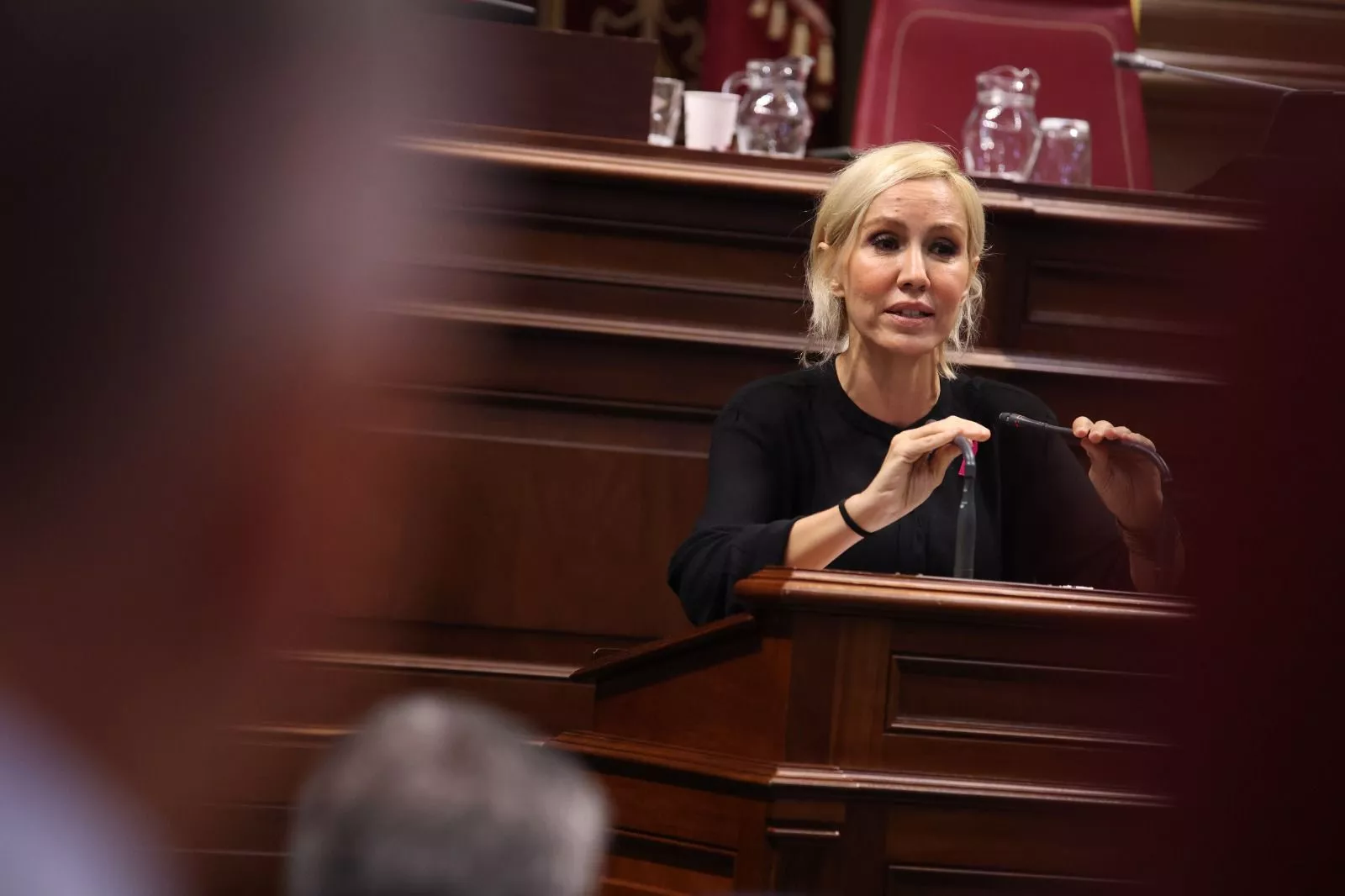
The initiative, to be championed by economic spokesperson Rebeca Paniagua, calls for the Canarian Government to urgently request the central government to update all IRPF tax brackets in line with accumulated inflation, including personal and family minimums and other relevant state parameters. Paniagua highlighted that inflation since 2021 has significantly eroded the purchasing power of Spanish households, particularly affecting essential goods like food, housing, energy, and transport. The situation is exacerbated in the Canary Islands due to structural costs related to its status as an outermost region, impacting living costs for families, workers, freelancers, and pensioners.
Paniagua pointed out that the Spanish government’s decision to freeze the state IRPF rate has led to an automatic increase in tax pressure due to inflation. “Taxpayers are paying more despite no real increase in their economic capacity. This is a silent tax hike that particularly affects middle incomes, workers, freelancers, and pensioners,” she stated. Additionally, she noted that personal and family minimums for the state bracket have not been updated since 2015, resulting in a further silent tax increase impacting the same groups.
In response, the Popular Group emphasised that the Canarian Government has implemented measures to ease taxpayers’ burdens. The regional budgets for 2025 and 2026 include deflationary adjustments to the regional IRPF, updates to personal and family minimums, and enhanced tax deductions, particularly benefiting families and middle-income households. However, Paniagua believes these regional measures are insufficient while the PSOE government maintains the unchanged state IRPF rate, allowing inflation to continue increasing tax pressure.
The Popular Party not only demands full IRPF deflation from Sánchez’s government through the Canarian Parliament but has also made similar requests in the Spanish Congress and the Tenerife Cabildo. In Madrid, the party, amidst discussions on aid related to the war in Iran, pushed for an update of the IRPF parameters to reflect inflation for the first three brackets, maternity deductions, and deductions for large families or individuals with dependents with disabilities. Regarding the Tenerife Cabildo, they proposed the tax measure following the Debate on the State of the Island of Tenerife, which was approved. This initiative reaffirms the Popular Group’s commitment to fairer taxation, aimed at preventing tax increases and protecting the disposable income of Canarian families against the rising cost of living.