New Sustainable Mobility Strategy Unveiled for Anaga Biosphere Reserve
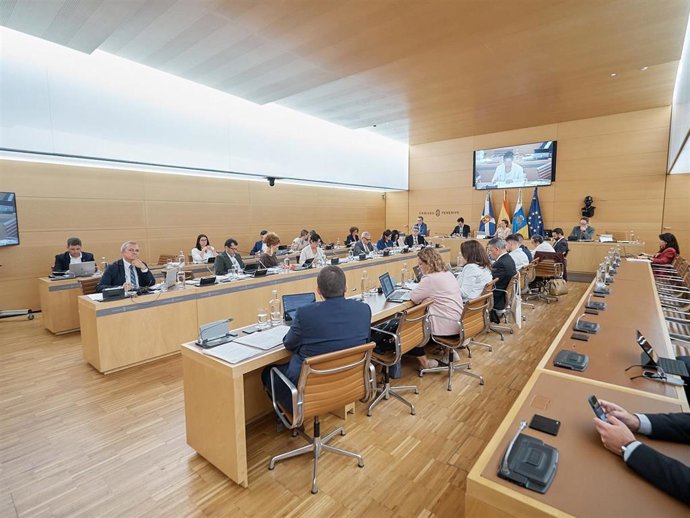
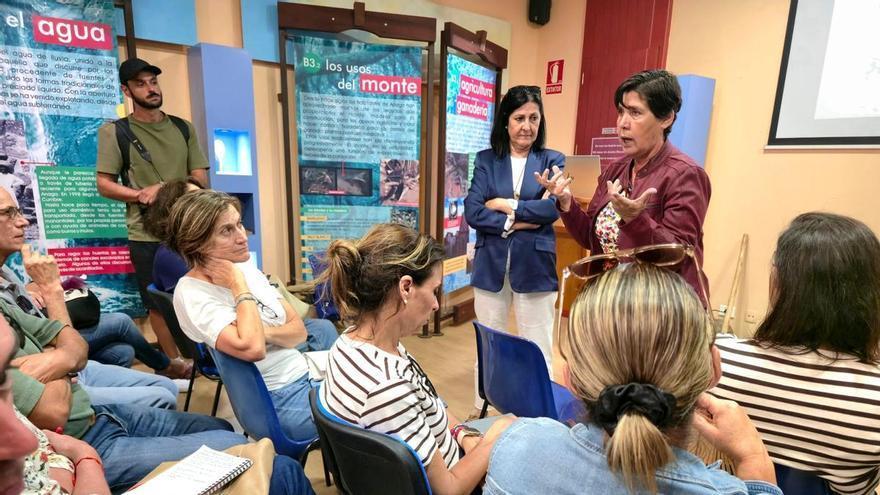
The Cruz del Carmen Visitor Centre hosted the presentation of a new sustainable mobility strategy for the Anaga Biosphere Reserve on Monday. The strategy, developed from 1,411 surveys conducted between 1 November and 11 December 2024, aims to improve access and transportation in the area. It was backed by the CajaCanarias Chair in Economy and Mobility at the University of La Laguna, led by Rosa Marina González Marrero, and funded by Next Generation funds.
With an investment of €5,096,995, the strategy, still in draft form, proposes a shift away from private car use towards enhanced public transport options and better management of access routes.
The initiative encompasses 24 key actions that address the root causes of transport issues in Anaga, avoiding the expansion of roads and new access points due to the protected nature of the area. The focus is on providing alternatives to private vehicles, managing visitor influx efficiently, and distributing traffic more evenly within the finite space to ensure safety and conservation.
Public transport improvements are at the forefront, including plans for a shuttle bus network connecting car parks to popular viewing points and hiking trails. This approach aims to reduce the number of vehicles reaching high-demand areas while encouraging the use of shared transport.
Additionally, the regular Titsa bus service will be enhanced with more frequent schedules and better routes to make it a viable alternative to private cars. A lack of competitive public transport options has made reducing car dependence a challenge, noted the study.
Plans also include a demand-responsive transport system for sparsely populated areas, allowing for pilot experiences that adapt routes based on users’ needs. Meanwhile, an early booking system paired with sensors will help monitor road and parking occupancy in real-time to prevent overcrowding.
Parking control measures are also critical, addressing illegal parking and optimizing designated spaces to ensure smooth access for buses, emergency vehicles, and residents. The strategy seeks to limit tourist bus access, particularly larger ones, to prevent traffic congestion.
Safety improvements will involve increased monitoring by civil guards, local police, and environmental agents, along with better lighting in key areas and regulations to promote harmonious coexistence among vehicles, cyclists, and pedestrians.
The plan also includes enhancing the network of viewpoints, regulating access to trails, and creating new walking and cycling paths. It aims to engage local residents in the process to create a living document, according to Blanca Pérez, the Councillor for Natural Resources.
Blanca Pérez emphasised the need to safeguard the Biosphere Reserve from the pressures of private vehicle use, while Eulalia García, the Councillor for Mobility, outlined how the strategy marks a shift in access management, with reservations and sensor systems enabling timely responses to peak visitor levels.
Community reactions have been mixed. Local resident Toño Hernández expressed feeling overwhelmed by the strategy’s extensive documentation, while Marina Suárez felt the plan lacked concrete solutions and clear strategies to tackle mobility challenges.
Despite the gaps highlighted by some residents, the strategy reflects insight from the University of La Laguna, focusing on managing access and reinforcing public transport rather than constructing new roads. These 24 actions represent a hopeful first step towards balancing conservation, tourism activity, and residents’ quality of life in the Anaga region.