The Canary Islands’ government is calling for an update to the 40-year-old Coastal Law, which they believe no longer reflects the realities of the archipelago. Antonio Acosta, the Director-General of Coasts for the Canary Islands, stressed the need for the Spanish government to recognise the islands’ ability to manage their coastlines responsibly, emphasising that they aim to protect their environment while also fostering development.
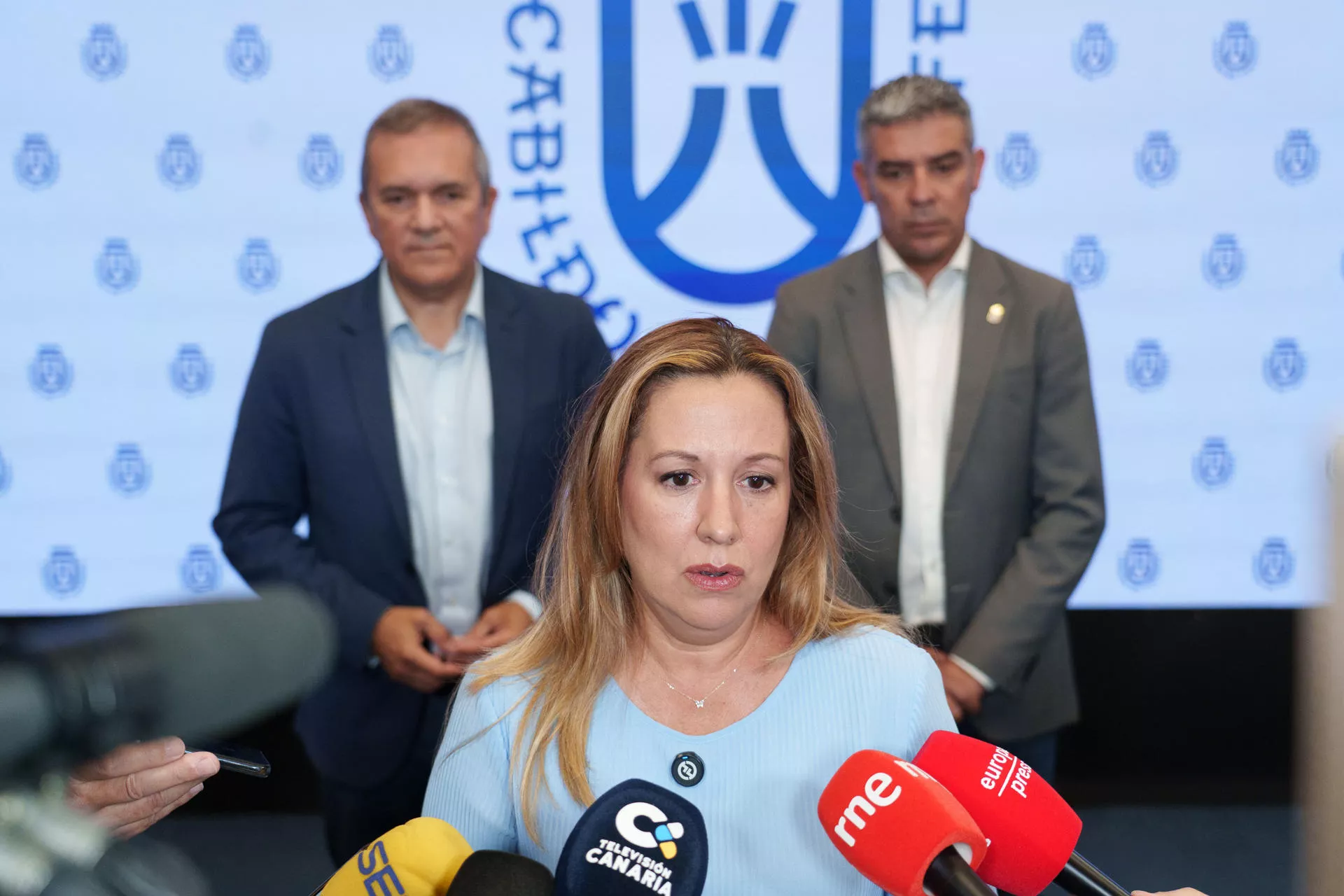
Mari Brito, president of the Canary Islands Federation of Municipalities (Fecam), pointed out a significant hurdle in the process. When the central government disapproves of a concession request from the Canary Islands, it doesn’t set a payment fee, halting the procedure. This often leads to the need for a bilateral interpretation committee to resolve issues.
Despite the devolvement of coastal management powers to the islands in 2023, the central government retains control over setting concession fees for revenue-generating coastal activities. This can effectively delay approvals if no agreement is reached.
To address these challenges, the regional administration and coastal municipalities are organising a conference, “77 Coastal Municipalities,” on 30 June at the Oceanographic Institute of the Canary Islands in Santa Cruz de Tenerife. Acosta noted that the event will focus on dialogue and collaboration between local councils and the Canary Islands government. They believe a new legal framework is essential to grant the islands greater autonomy in managing their coastlines while ensuring environmental protection.