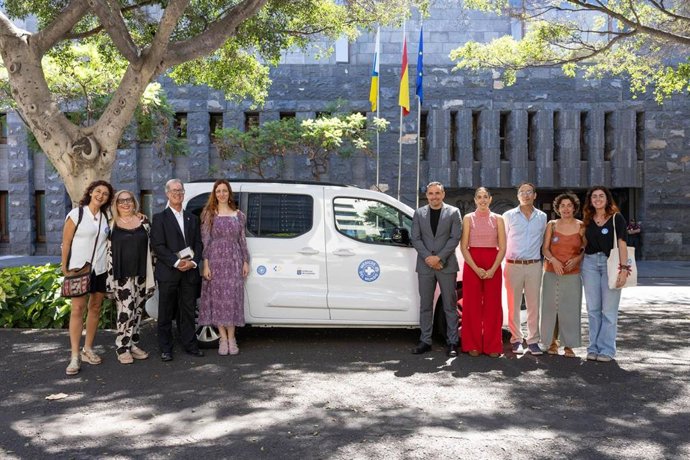
The Canary Islands Health Service, alongside Doctors of the World in the Canaries, has launched a new project aimed at enhancing health and social care for homeless individuals struggling with addiction or mental health issues. The initiative, named “Bridges in Health,” will first be implemented in Santa Cruz de Tenerife, with plans to extend it to other municipalities.
This pilot project aims to support around 60 homeless individuals in the capital by deploying a dedicated street team to provide specialised assistance, mirroring the successful Mejora programme in Las Palmas de Gran Canaria.
Adasat Goya, the director of the Canary Islands Health Service, stated that this initiative strengthens their commitment to community care, harm reduction, and gender sensitivity in services for the homeless.
Under a partnership with Doctors of the World, a multidisciplinary team equipped with a mobile unit will visit areas frequented by vulnerable individuals, offering health and psychosocial support, as well as guidance towards public resources. The agreement also includes plans for monitoring outcomes and establishing a yearly report.
The project specifically targets homeless people facing substance abuse issues, who often encounter barriers to accessing healthcare services. By offering street interventions and psychosocial support, the programme aims to facilitate access to health resources, mitigate risks associated with substance use, and promote social inclusion.
Particularly focusing on the needs of homeless women, the initiative will provide tailored support due to the unique stigmas they face and the greater obstacles to utilising available resources. Proposed activities include support groups, sexual and reproductive health interventions, and resources focused on violence against women and community engagement.
This specialised resource is part of the addiction network and is designed to cater to individuals diagnosed with Substance Use Disorder (SUD), particularly those disengaged or at risk of disengagement from traditional support systems. The project promises flexible, intensive interventions within the community, supported by a mobile team collaborating with various local stakeholders and services. Additionally, it will deliver educational support and material to aid in harm reduction and health promotion.