The historic Convent of Santo Domingo will host a dialogue this Tuesday between the author and historian Luana Studer on memory, research, and historical dissemination.
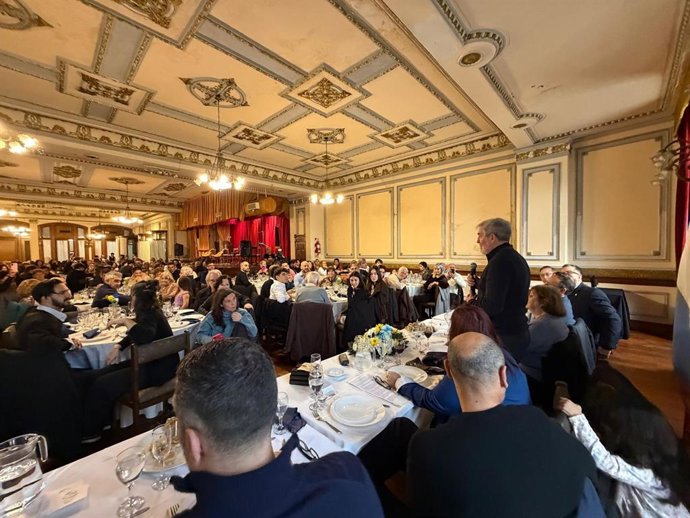
This Tuesday at 7:30 PM, the historic Convent of Santo Domingo in La Laguna will host the presentation of the book “Entre primaveras: fictional stories of the Spanish Civil War in the Canary Islands,” authored by physician and writer José Vicente González Bethencourt. This work combines documentary rigor with literary narrative to engage the public, particularly younger generations, with one of the most significant periods in the recent history of the Archipelago. The event will feature a discussion between González Bethencourt and Dr. Luana Studer Villazán, a contemporary history expert from the University of La Laguna and author of “Voces Silenciadas: The Francoist Repression of Women in La Laguna,” focusing on memory, research, and historical dissemination.
Significance of the Presentation
The Cultural Heritage Councillor of La Laguna Town Hall, Adolfo Cordobés, representing the initiative, highlighted the importance of this presentation in a municipality deeply affected by the events of the Civil War. “La Laguna carries a historical and moral responsibility for democratic memory. We were one of the areas most affected by repression in Tenerife, and works like this are vital. They help us to understand, remember, and accurately convey what happened. Memory is not a past exercise; it is a commitment to the present and to future coexistence,” he stated.
Cordobés further emphasised the cultural and heritage value of the book, stating it “rescues silenced voices and reconstructs often-forgotten events. The town hall is promoting a public policy of democratic memory that includes research, dissemination, and collaboration with specialised entities, and this book contributes to that collective effort to preserve a fundamental part of our history.”
A Journey Through History
“Entre primaveras” spans over 260 pages, chronicling events in the Canary Islands from the springs of 1936 to 1939. The work begins in the final years of the Second Republic and outlines the social and political climate leading up to the military coup, the initiation of the uprising in Tenerife, and the severity of the subsequent repression. It also includes a dedicated chapter on La Laguna, where the author discusses arrests, disappearances, military tribunals, and the impact of these events on the social, university, and cultural life of the municipality.
The novel also incorporates lesser-known aspects of Canary Island history, such as the so-called “Red Week” in La Palma or the tale of the refugees in El Hierro, who hid for years to evade reprisals. The author combines historical documentation, bibliographic sources, and oral testimonies gathered over decades, in what he describes as a “patient, constant, and profoundly human” endeavour.
Engaging the Younger Generations
González Bethencourt explains his intention to connect this period with a broad audience, especially those lacking direct contact with these events. “There is widespread ignorance among the youth about what happened in the Canary Islands and Spain 90 years ago. Everything I recount is real, but I write it in a novelised format to better reach young people. I do not seek confrontation, but understanding, as this is a book of historical reconciliation to ensure it never happens again,” he noted.
The author, who worked as a surgeon for decades, began to take an interest in this period during his youth while living in Civil Guard barracks, where discussions about past events were common. Over time, he collected testimonies, documents, and publications, which solidified after his retirement, culminating in this historical novel.
Commitment to Democratic Memory
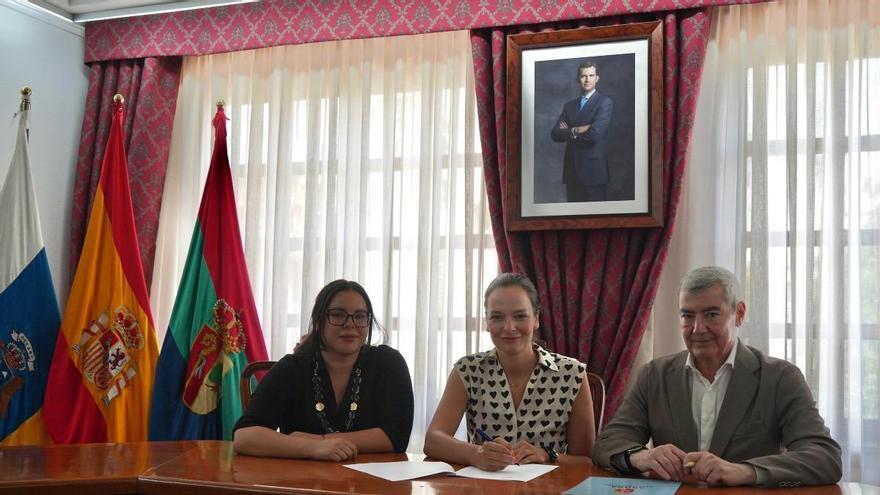
The book presentation aligns with the La Laguna Town Hall’s commitment to democratic memory, an area where the municipality has made decisive strides in recent years. In this context, Adolfo Cordobés recalls a recently signed agreement with the Association for the Recovery of Historical Memory of Tenerife (ARMHT), establishing a stable collaborative framework for research, documentation, locating graves, dignifying victims, and public dissemination.
Tuesday’s event will provide an opportunity to learn first-hand about the creation process of “Entre primaveras,” engage with its author, and reflect on the importance of preserving and transmitting historical memory. Admission is free until capacity is reached.