Granadilla de Abona Faces ‘Critical’ Security Situation as Summer Approaches
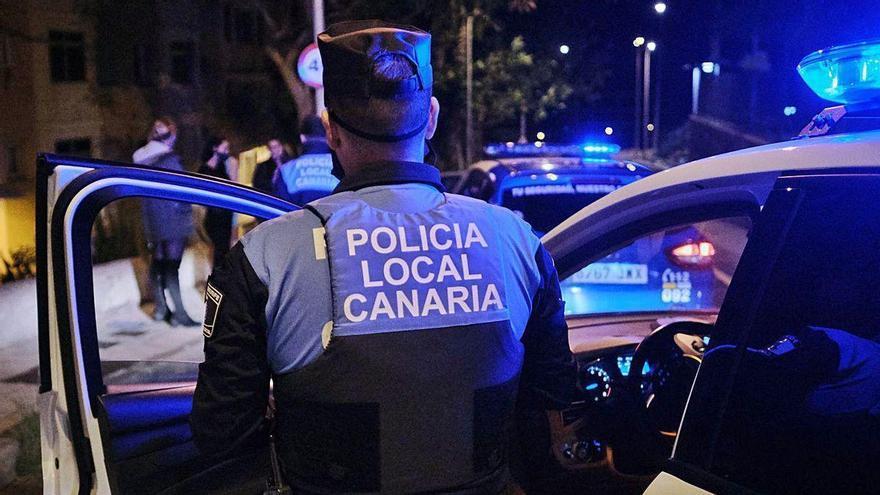
Granadilla de Abona is confronting a ‘critical’ situation regarding public safety due to a lack of personnel in the Local Police force. Unions CCOO Canarias and UGT Canarias have raised concerns that the municipality has already gone several nights without night-time police service. They warn that this issue may worsen in the coming months, coinciding with the expected increase in population during the summer season.
Population and Police Force Discrepancies
The unions, representing 78% of the municipal workforce, remind us that Granadilla has 58,752 registered inhabitants. However, the actual population, which includes unregistered residents, transient populations, and visitors during the summer months, may reach around 70,000 people. They argue that this reality necessitates an adequate police presence to cater to the needs of a large municipality, characterised by dispersed communities, proximity to Tenerife Sur Airport, and significant public activity.
Emergency Response Concerns
CCOO and UGT also emphasise that Granadilla serves as a night-time police reference point for the region, as neighbouring municipalities lack local police during the night. They caution that the absence of officers in the night shift leaves thousands of residents without immediate assistance for accidents, conflicts, incidents of domestic violence, or any other emergencies requiring prompt intervention.
Current Staffing Levels
Currently, the department consists of 56 local police officers, of whom only 43 are available for operational duty on the streets to cover 24 hours a day throughout the year. The unions highlight that Decree 75/2003, which coordinates Local Police in the Canary Islands, mandates a police force of approximately 129 officers for a municipality like Granadilla. According to the unions, this indicates a shortfall of more than 70 local police officers compared to what the municipality should have. They add that the population has nearly doubled in the last two decades, while the number of officers patrolling the streets has seen little change.