The Pope’s Historic Visit to the Canary Islands
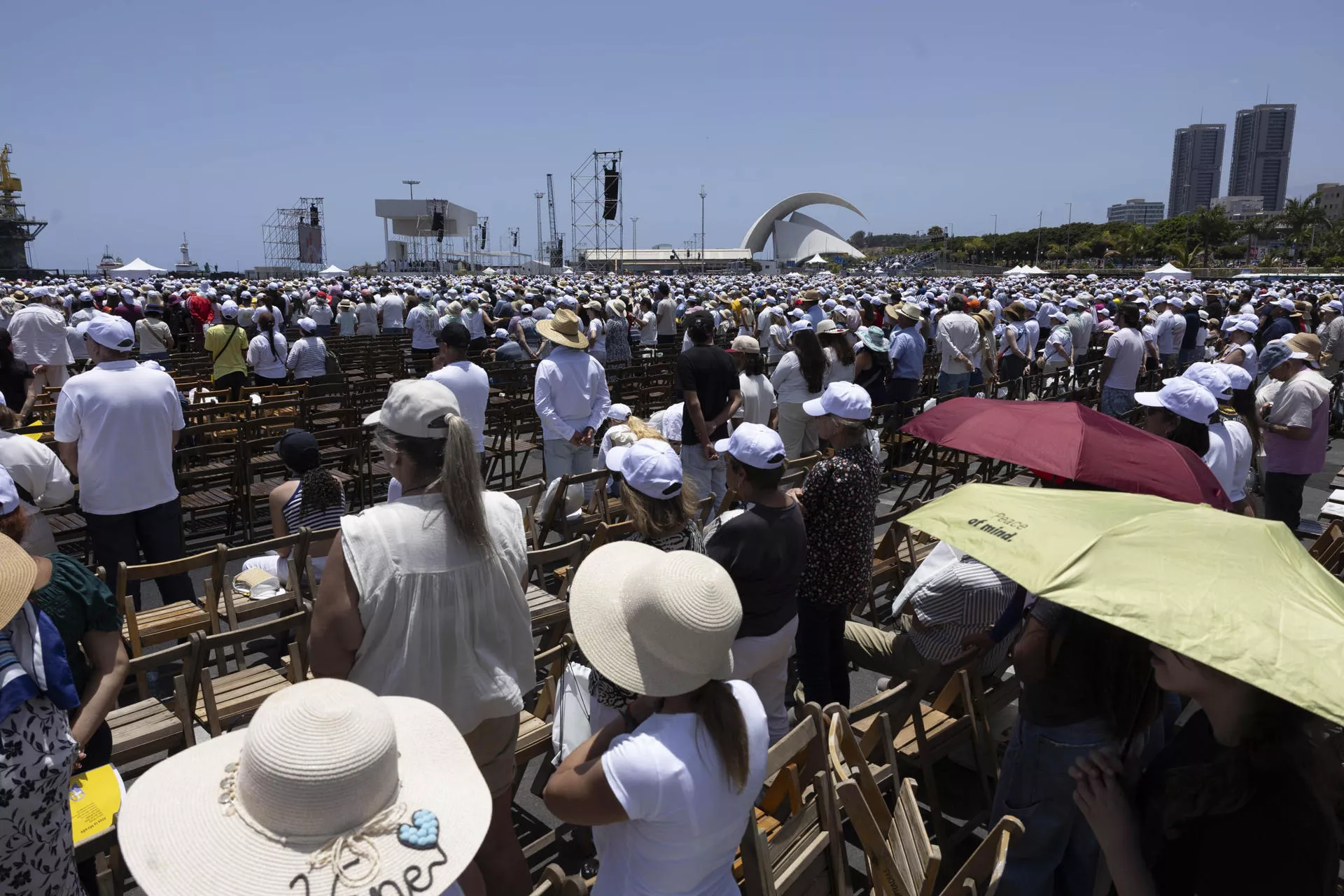
The historic visit of the Pope to the Canary Islands attracted tens of thousands of people to the streets of Gran Canaria and Tenerife. However, it has also led to an unexpected health consequence.
### Increase in Dermatological Consultations
Dermatologists have reported a surge in consultations related to the effects of prolonged sun exposure during the large outdoor events. The Official College of Physicians of Santa Cruz de Tenerife has warned of an increase in cases of sunburn, as well as a worsening of photosensitive conditions and other inflammatory skin pathologies following the papal visit.
### Sunburn in Often Overlooked Areas
Dermatologist Marina Rodríguez Martín explains that many attendees spent hours in the sun, particularly during peak ultraviolet radiation times, relying solely on sunscreen. The specialist notes that one common misconception is that sunscreen alone can prevent skin damage during prolonged exposure, which is not the case after several hours outdoors.
Professionals have identified sunburns especially in areas that are usually inadequately protected, such as the nape, neck, ears, tops of the feet, forearms, or the scalp in individuals with thinner hair.
### Increase in Disease Flare-Ups
In addition to sunburns, dermatologists have observed an increase in flare-ups among patients with conditions particularly sensitive to ultraviolet radiation. Affected pathologies include rosacea, cutaneous and systemic lupus, polymorphic light eruption—commonly known as sun allergy—and other pre-existing photosensitive dermatoses.
Experts remind us that ultraviolet radiation can act as a trigger for inflammatory and immunological processes that may exacerbate illnesses that were previously under control.
### High Radiation Levels in the Canary Islands
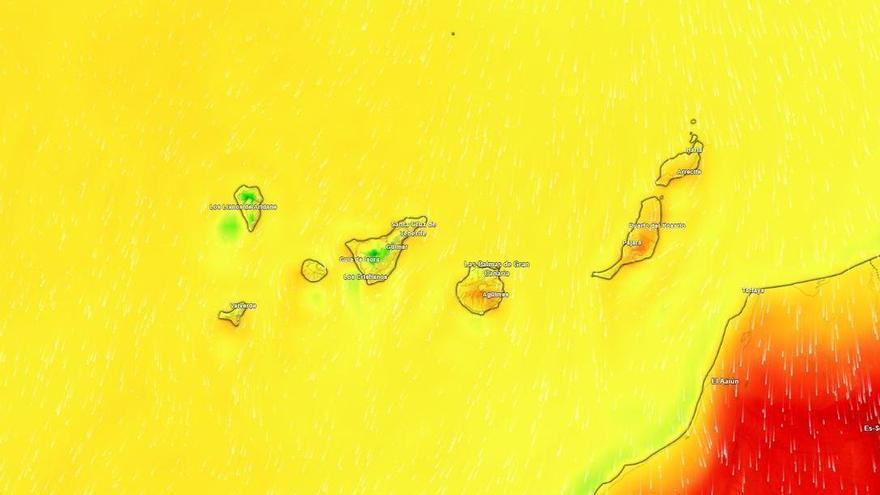
Experts warn that the Canary Islands experience some of the highest ultraviolet radiation levels in Europe due to factors such as latitude, high annual sunlight exposure, and light reflection from surfaces like water or pavements. Consequently, they advise that even with sunscreen, burns can occur when exposure is intense and prolonged, especially in summer.
The College of Physicians emphasises that sun protection should be regarded as a comprehensive strategy. This should include the use of SPF 50+ sunscreen, frequent reapplication, wide-brimmed hats, suitable clothing, approved sunglasses, and a constant search for shaded areas.
### Advice for Upcoming Events
As new large-scale events are scheduled over the coming months, dermatologists recommend avoiding prolonged exposure between 12:00 and 17:00 hours, taking regular breaks in the shade, and maintaining proper hydration. They also advise paying special attention to protecting the nape, ears, feet, and forearms, and normalising the use of parasols at outdoor events—a practice considered as useful as it is already customary at beaches.
Specialists remind us that excessive sun exposure not only causes immediate burns but also accelerates skin aging, promotes cutaneous immunosuppression, and increases the long-term risk of developing skin cancer.