Increased Renewable Energy for Desalination Project in Tenerife
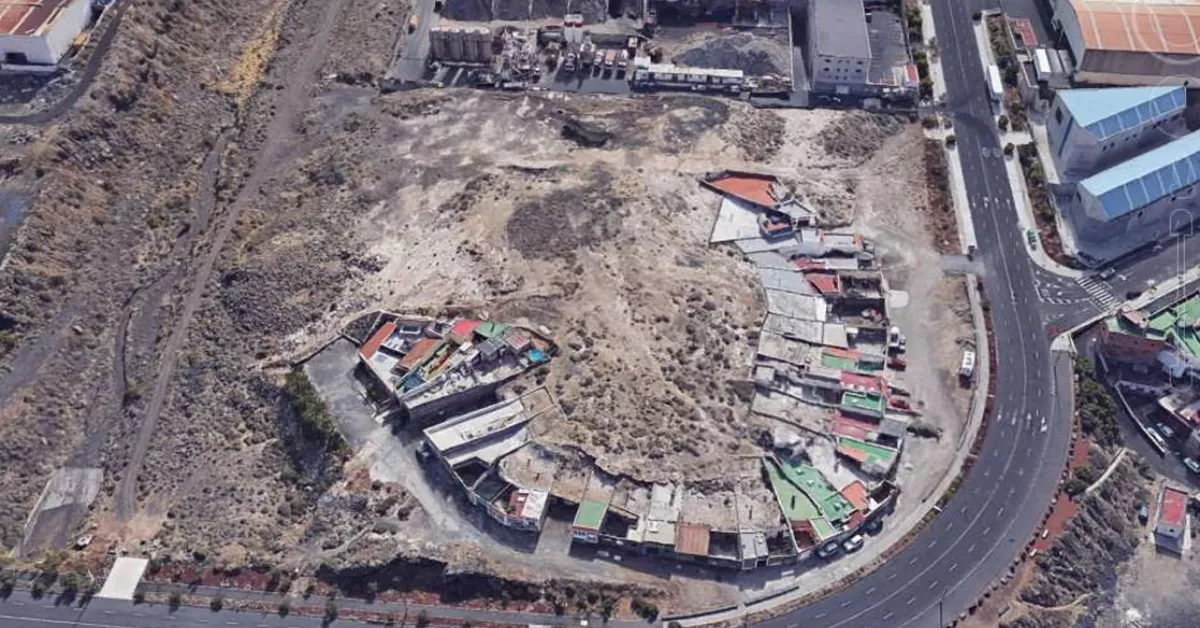
The Committee for Environmental Evaluation of Tenerife (CEAT) has instructed the Insular Water Council of Tenerife to enhance the renewable energy component of the Desalination Plant (EDAM) in the Güímar Valley. The committee has reviewed the project aimed at ensuring the production of desalinated water in the region and concluded that it can proceed without undergoing a standard environmental assessment. However, it has identified energy consumption deficiencies that need to be addressed.
Addressing Energy Consumption
The facility is designed to bolster water supply in the Güímar Valley municipalities, with an initial production capacity of 14,000 cubic meters of desalinated water per day, which may be expanded in a second phase. The project also encompasses the required infrastructures for intake, storage, pumping, and distribution.
One of the CEAT’s primary concerns is the high energy consumption associated with seawater desalination. Reports included in the dossier indicate that the proposed facility does not fully utilise existing capabilities to contribute to energy transition and reduce emissions linked to its operation. As a result, the committee has stipulated several environmental conditions for approval, primarily focusing on energy production, given the significant electricity demand of desalination plants.
Recommendations for Increased Renewable Generation
The CEAT recommends bolstering solar energy generation linked to the facility while investigating additional renewable installations on nearby plots. It suggests exploring shared self-consumption models, incorporating battery storage systems, and implementing continuous energy efficiency improvements during operation. The committee also requires monitoring energy consumption, carbon intensity, the percentage of renewable energy coverage, and self-consumption trends.
Modifications to Marine Discharge System
The committee has also highlighted concerns regarding the brine generated by the desalination station. This saline waste, produced during the desalination process, will be discharged into the sea via a submarine outfall. The CEAT mandates modifications to the initial design to include Venturi eductors, aimed at promoting quicker dilution of the discharge and reducing salinity concentrations in the immediate environment. This solution is expected to minimise potential impacts on marine ecosystems and enhance brine dispersion before it reaches the seabed.
Monitoring of Marine Meadows
Additionally, the agreement requires an enhanced environmental monitoring programme during the operational phase. This includes regular checks on the submarine outfall, brine dilution, and the condition of biological communities near the discharge point. The CEAT will also establish specific monitoring stations for Cymodocea nodosa meadows, a protected seagrass species and one of the most sensitive habitats in the Canary Islands’ coastal region.
Circular Economy Practices
The resolution further introduces circular economy criteria for executing the works. The developer will need to revise the waste management plan to maximise the reuse of soil and surplus materials, justifying the final disposal of excesses and prioritising their recovery over disposal. Additionally, the developer must later document the volume of materials reused and those managed as waste.
Ongoing Environmental Monitoring
Furthermore, the Committee requires formal notification of the commencement of works and the periodic submission of environmental monitoring reports during the development and operation of the infrastructure. These documents should detail the progress of corrective measures and results related to discharge control and marine conditions.
With this decision, the CEAT concludes that the desalination plant can continue its environmental processing without the need for a standard evaluation, but it conditions its development on the implementation of additional measures to reduce energy impact and ensure the protection of marine ecosystems along the Güímar coastline.