Integration of Migrants at the Heart of Pope León XIV’s Message in Tenerife
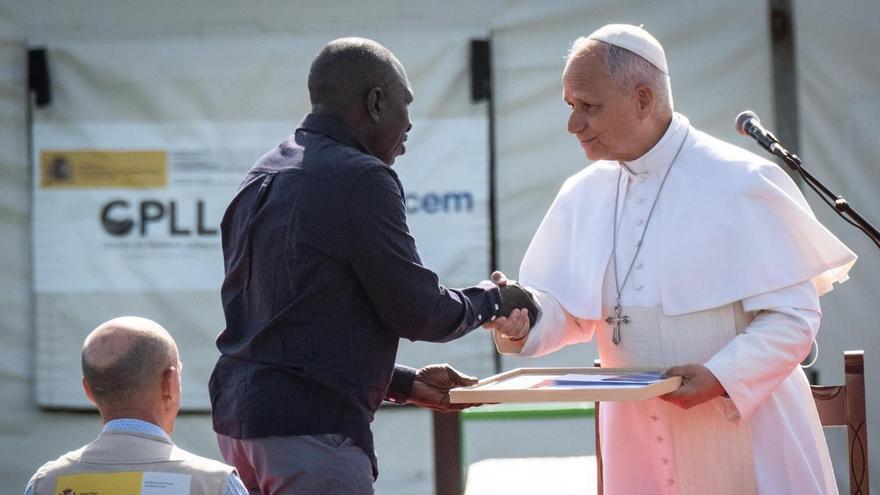
The integration of migrants is a shared responsibility between newcomers and the societies that host them. This was the message conveyed by Pope León XIV on Friday, June 12, in Tenerife, the final stop of his apostolic journey to Spain, which has become a historic day for the Canary Islands. The day concluded his visit with some unforeseen delays; his departure was postponed by several hours due to technical problems with the plane meant to take him to Rome. During his first address on the island at the Las Raíces reception centre, located in the municipality of La Laguna, the pontiff asserted that migration can be an opportunity for “mutual enrichment between peoples.”
Papal Visits and Messages of Hope
Throughout the day, the pontiff also visited the centres in La Laguna and Santa Cruz de Tenerife, where he was warmly greeted by thousands of residents eager to catch a glimpse of him during the brief tours conducted in both cities. At each stop, the pope reiterated his message, urging those who arrive seeking a better life, risking their own lives at sea, to integrate, learn the language, respect the laws, and participate in communal life. He also called on those receiving them to foster true integration, in order to develop a collective future for the next generations.
A Firsthand Encounter at Las Raíces
The visit to Las Raíces was the first point of call for the Holy Father in Tenerife. Currently, it accommodates 700 users but had previously provided assistance to thousands during the most challenging moments of the migration crisis. He arrived shortly after 9:30 a.m. local time from Gran Canaria, where he had his first meeting with the Canarian society. This journey was marked by highlighting the migration crisis—taking place in a region that has become known for one of the most perilous routes in the world, transforming the Atlantic into a graveyard without tombstones. León XIV fulfilled the wishes of his predecessor, Pope Francis I, who had often expressed a desire to visit the archipelago to raise awareness about this reality.
Messages of Compassion
Upon his arrival at the Tenerife North Airport, the pope was received by the Canary Islands’ president, Fernando Clavijo, and the Minister of Inclusion, Social Security, and Migration, Elma Saiz, alongside other authorities. Before visiting Las Raíces, he met with two migrants residing there. “May borders not become walls of indifference,” urged one of the guests, reminding that those who seek to come to Europe often flee from war-torn countries, poverty, and a lack of opportunities. “We come with simple goals—such as working and providing for our families,” stated Taiwo Oluwatobi, another Nigerian young man who shared his story with Robert Francis Prevost.
He addressed the attendees—including migrants at the reception centre, as well as staff and authorities—in French to promote understanding among those from African countries where the language is spoken, creating what felt like an intimate dialogue between his Holiness and his intended audience, the true protagonists of his visit: the migrants.
Emphasis on Shared Responsibility
León XIV reiterated that “we are all migrants” and highlighted the role of missionaries, naming Brother Pedro and José de Anchieta—Canarian missionaries who emigrated to Latin America with nothing more than the “luggage of faith.”
Following this, the pope moved to the centre in La Laguna for another meeting with individuals involved in the integration and reception of migrants. Here, he urged host societies to respect the histories of those arriving. “Reception opens the door,” he stated, “but integration helps to cross the threshold,” cautioning that integrating does not mean erasing the identity of newcomers or creating “parallel worlds” devoid of genuine contact.
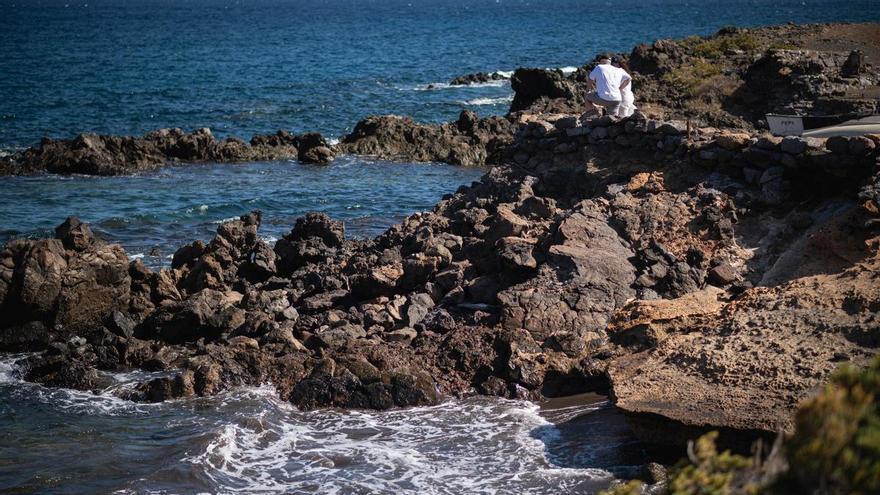
He again advocated for integration, stating that its absence leads to a “silent shipwreck,” as such individuals find themselves in a state of extreme vulnerability in a land not their own, without support. León XIV condemned human traffickers and those who benefit financially from hazardous migratory routes, such as those leading to the Canary Islands. He also remembered the thousands of migrants who have lost their lives at sea while pursuing their dreams of reaching Europe, fleeing hunger, misery, and conflict. “Every death on each route is a failure for society,” he insisted.
A Critique of Europe’s Response
The pope noted that Europe has turned its back on this phenomenon and received criticism during his visit to the Canary Islands, reminding that “human dignity knows no passports or borders.” This remark came at a time when the new European Pact on Migration and Asylum has just come into force, which threatens to transform the Canary Islands into a place not of welcome, but of detention, as it aims to contain those arriving at the continent’s most distant borders.
Final Events in Santa Cruz
Following this meeting, the pope visited the Diocese of Nivariense’s Bishopric—the seat of the church in the province of Tenerife—and experienced his first mass gathering during a walk through the streets of La Laguna, where he was met by thousands of residents who arrived early to witness the historic visit of the pope.
Afterwards, the Holy Father headed to Santa Cruz de Tenerife, where he was scheduled to conduct a large mass that would conclude his apostolic journey in Spain. Before reaching the port plaza where the service would take place, León XIV toured the main streets in a papamobile, where devotees and non-devotees alike gathered to catch a fleeting glimpse of the pontiff on a day that will be marked in history for the Canary Islands.
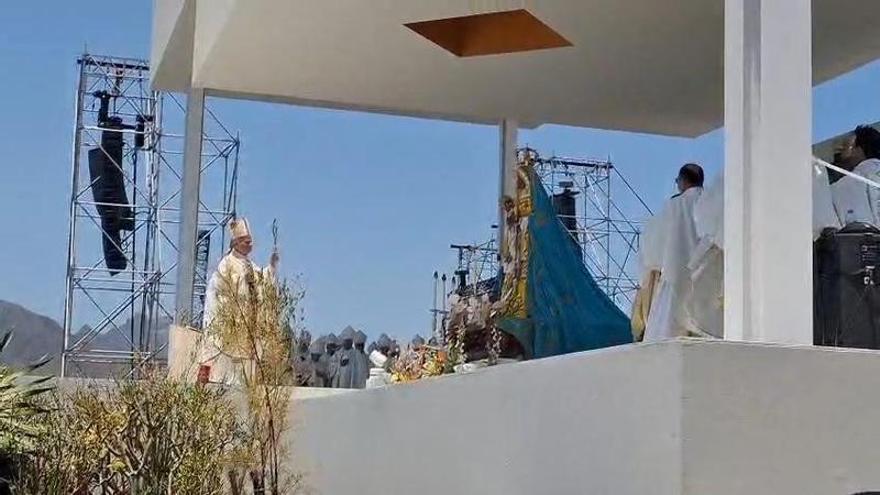
Although he was an hour behind schedule, the pope finally arrived at the venue where the homily would be delivered. The mass was attended by over 35,000 people who had been waiting since early morning for the pontiff’s arrival. During the Eucharist, which represented the crowning moment of his visit to Spain, the pope wished to contrast the reality of an island like Tenerife, which welcomes millions of tourists every year and at the same time is a destination for thousands who risk their lives at sea in search of a better future. “How crucial it is not to reduce everything to commerce and profit,” he emphasised, and also sent a message to the Canarians, urging, “open this sea of love to all.”
Once the mass concluded, the entourage returned to Tenerife North Airport, where the pope bid farewell to the island, accompanied by King Felipe VI and a group of authorities. Among them were Minister of Territorial Policy and Democratic Memory, Ángel Víctor Torres, and the Canary Islands’ president, Fernando Clavijo, who thanked the pontiff, “for everything, wholeheartedly,” summarising the feelings of thousands of Canarians regarding his historic visit to the archipelago.
Technical Challenges During Departure
However, his return to Rome was not without its challenges, as his departure from the island was delayed. After the pope and his entire entourage had boarded the Iberia plane bound for Italy, the airline announced that there were technical issues. King Felipe VI boarded the aircraft to accompany the pope and returned to the Tenerife aerodrome while waiting for the resolution of these issues. The monarch subsequently offered León XIV the Spanish Government’s Falcon aircraft, which had brought him to Tenerife, to facilitate his return to the Vatican. Initially, the pontiff declined the offer, but when the airline confirmed that the plane could not be repaired in time and that another would need to be sent from Madrid, he accepted the offer to travel on it. Ten minutes before 6:00 p.m., Canary time, the king and several authorities accompanied the pope to the new aircraft, from which he undertook his journey home, concluding a seven-day visit to Spain.