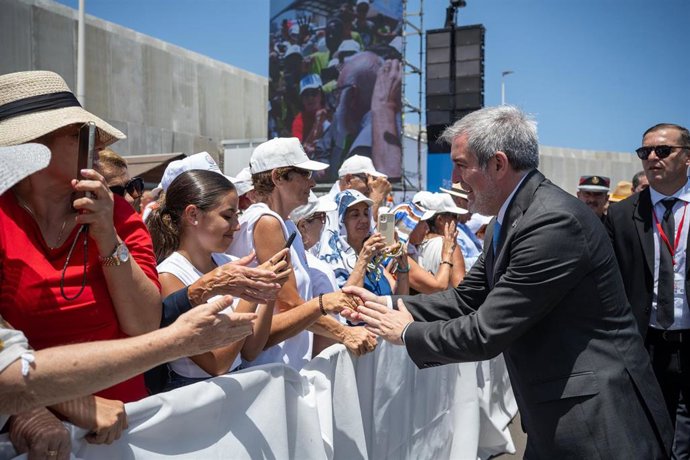

– Alejandro Barrosa / ACFI – Europa Press
SANTA CRUZ DE TENERIFE, 12 June. (EUROPA PRESS) –
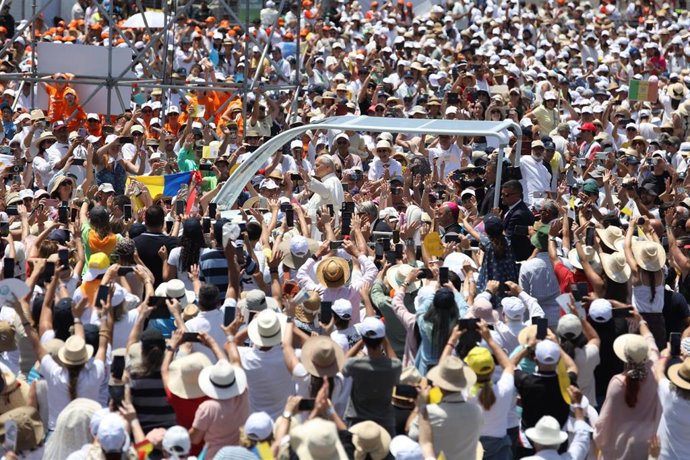
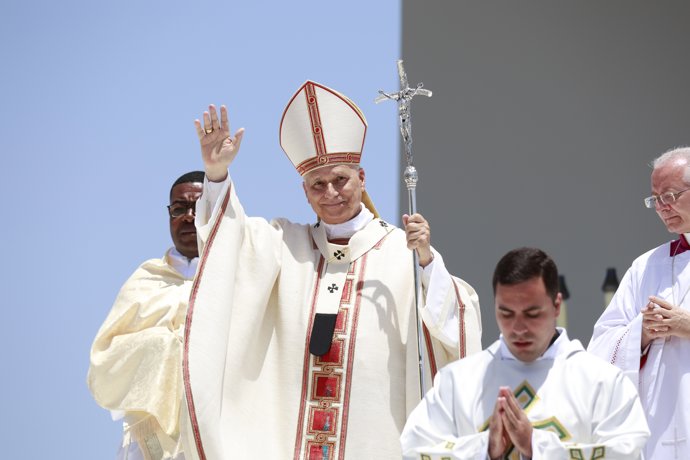
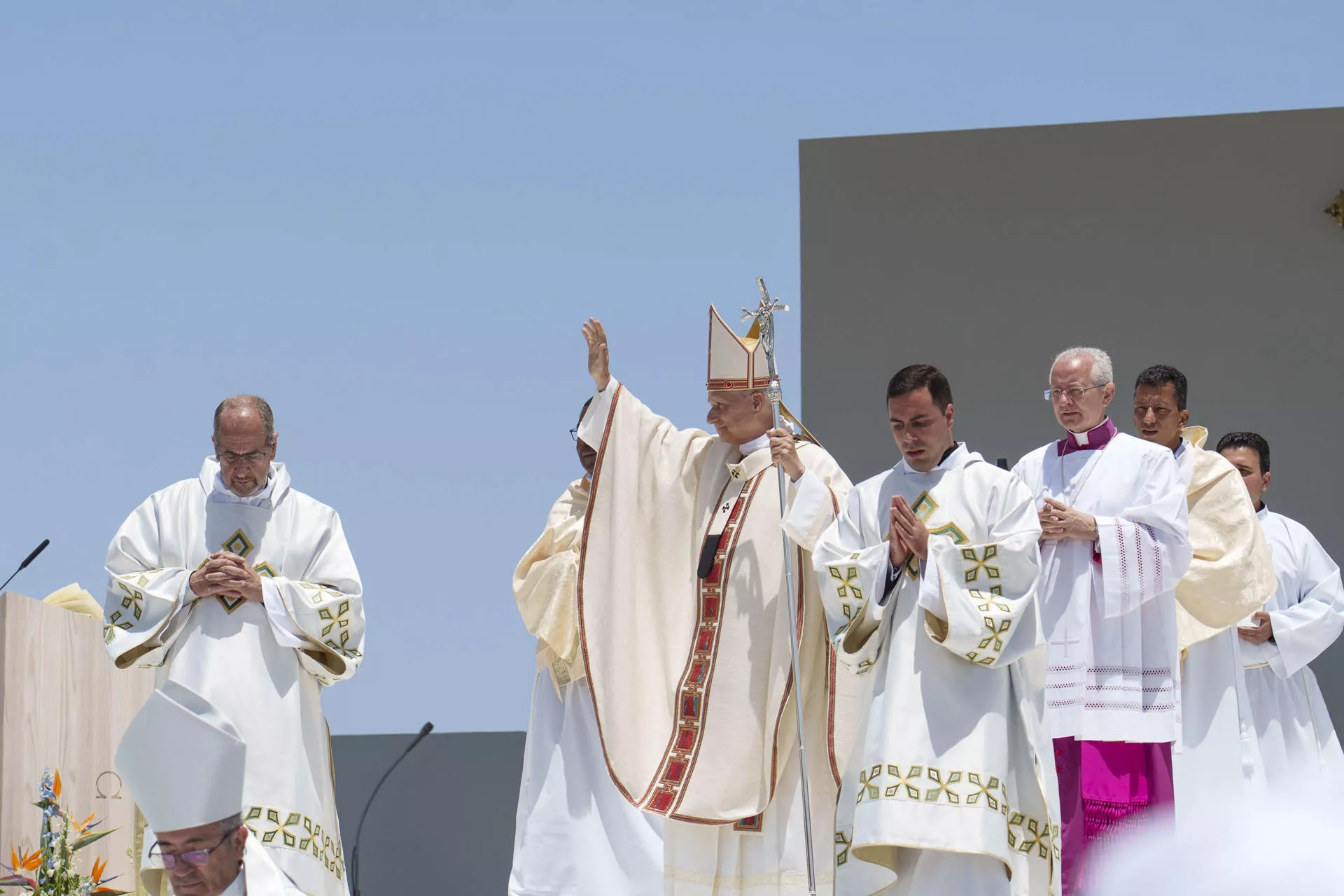
The President of the Canary Islands, Fernando Clavijo, expressed his hope that the visit of Pope Leo XIV has highlighted the humanitarian values needed for managing migration. He wishes for the Holy Father’s voice to be “heard” by institutions and for the visit to serve as “a moment for reflection and self-criticism”.
“On many occasions, in isolation, we have felt neither attended to nor understood, by Europe or the Spanish government. When the visit of Pope Francis took place and this trip to the Canaries began to take shape, doors began to open and things started to change,” Clavijo recounted in comments to Televisión Canaria, reported by Europa Press, following the Pope’s departure from Tenerife.
Reflecting on the apostolic journey of the Holy Father, which concluded in the Canaries, Clavijo celebrated that Pope Leo XIV addressed “the values” needed to care for “the most vulnerable”: “We have faith and hope that, today, with the new European Asylum Pact coming into effect, these messages will be heard by institutions, and that some shortcomings will be acknowledged.”
THE TESTIMONY OF MIGRATION
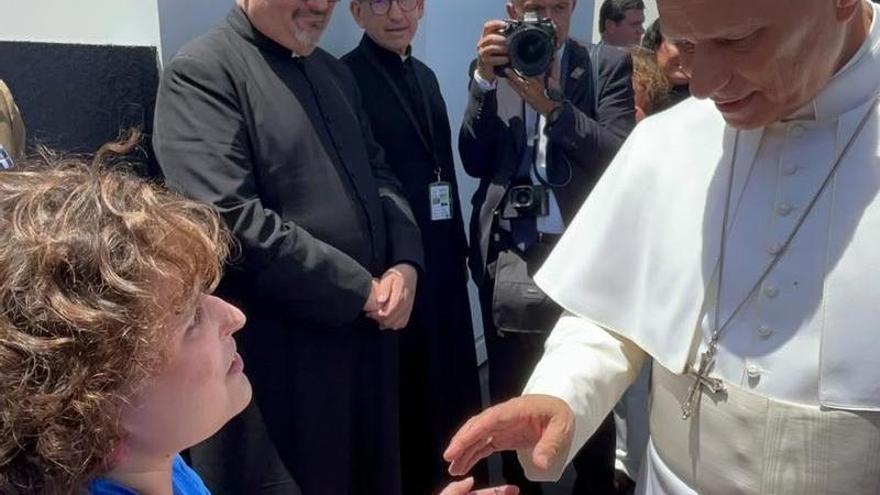
The Canary Islands President also recalled the testimonies of migrants shared with the Pope and the public at the port of Arguineguín (Gran Canaria) and the Las Raíces reception centre (Tenerife). “I hope European institutions and the entire world have listened to them, as this new migration pact does not guarantee the protection and respect of human rights,” he cautioned.
Clavijo stressed the importance of “reflecting” and “improving” through the message delivered by the Holy Father, particularly emphasising his statement that “the sea cannot be a cemetery without gravestones.”
“We will see if, in the upcoming sessions in Congress, the members will be able to take at least 10% of what His Holiness said to heart. If not, it would be an exercise in hypocrisy: applauding, patting their chests, only to revert back to old habits ten minutes later,” argued the Canary Islands President.
Thus, Clavijo remains “convinced” that this visit should be seen as “a moment for reflection, self-criticism and consideration”, and as an opportunity to adhere to the principles established, “by the Church, as well as decency and morality”: “To do otherwise would be an exercise in inconsistency.”
SÁNCHEZ IN ARGUINEGUÍN
When asked about Prime Minister Pedro Sánchez’s visit to the port of Arguineguín in Gran Canaria during the Pope’s visit—labelled by Sánchez as “inopportune”—and the defence of Migration Minister Elma Saiz regarding state management of migration, Clavijo indicated he “missed” a bit of “self-criticism” from the central government, especially considering the location where “almost 3,000 people were crammed for four months under conditions that disrespected human rights.”
“And this was done by this government, the government of Pedro Sánchez,” the regional president added.
While the Canary Islands Executive chief defended that some things are “being done well”, such as the work of social entities and NGOs involved in migration management, there are others “that are not”, lamenting that the Spanish government “puffs out its chest” when many things are “evidently improvable.”