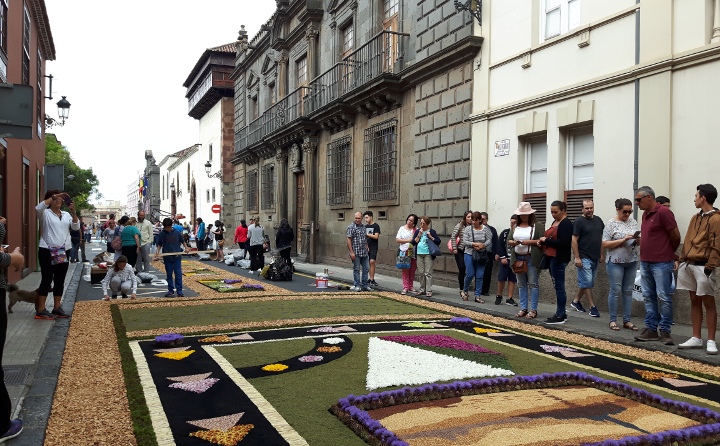
The Dance of the Ribbons, often performed with bows adorned with flowers, is a central element of the northeastern festival. This ties in with the interactions of the ships featured and the castle. The ships, which were essential to rural celebrations, are documented in records from 1660 and the Festival of Los Remedios. In 1699, the eve of the festival saw a mock battle involving the construction of ships and a castle at the corner of the church square, from which performances were staged to honour the image and delight the faithful, culminating in artillery fire from the castle and ships.
On the night of the eighth Tuesday, a troupe performed various costumes and dances. On the 20th, another group on horseback, clad in costumes, concluded the festivities by placing a golden card with a ‘Victor’ on the walls and doors, accompanied by a quatrain.
17th Century References
Another reference to dance in the 17th century is the Eagle, which was noted in the Barcelona festival. In 1660, the painter Gonzalo Hernández de Sosa sought permission to keep an eagle with an imperial crown for life, which he had created for the festivities of the Prince and used during Corpus Christi. The eagle’s symbolism aligns with that of Saint John, as it often connected with those representing the Evangelists. Records from this century indicate that the dances were organised and led by residents of La Laguna, including Marcos González and others. They contributed to the costs, and even sellers took part, with most dancers generally earning their living through other professions, such as Melchor Luis, who was a blacksmith.
18th Century Developments
Descriptions from the 18th century suggest that dances were performed during the eve, accompanied by bonfires. In January 1775, the festivities were marked by a dance performed by boys known as “machinés,” dressed in blue and crimson damask. Previous dances had been varied, with indecent costumes leading to changes in performers and garb.
Lope de la Guerra noted that it had been some time since such performances occurred due to the inadequacy of those partaking and the difficulty in finding suitable boys for such a respectful ceremony.
Social and Racial Implications
Typically, these dances were performed by mulattoes, which led to socio-racial prejudices. It is crucial to consider the close relationship between these spring and summer dances and Corpus Christi, as highlighted by Caro Baroja, who emphasises that it is inconceivable to imagine the celebration without dance. The inclusion of matachines in these festivities, even during the procession, reflects the islander’s attitude towards masquerade. A matachín is described by the Dictionary as a man absurdly dressed, covered from head to toe in various colours, performing a dance with groups of four, six, or eight to a lively tune, making various faces and playfully striking each other with wooden swords and inflated animal bladders.
It is worth noting that these characterisations, along with their insular and occupational variations, inspired local carnivals, such as that of Arrecife and its performers. Their attire had to be robust and bright, reflecting the animated nature of the performers involved.
The Role of the Cabildo Lagunero
The Cabildo Lagunero, representing the island’s elite, encapsulated the contradictions within this ruling group. On 22 April 1729, they unanimously agreed to celebrate the dances with the utmost solemnity, ordering specific deputies to prevent the use of costumes designed for this purpose. Once concluded, the costumes were to be stored away, with the key held by the clerk. However, in 1765, influenced by Enlightenment ideas, dissent began to emerge. There was a move to reject this form of spectacle, though it did not garner majority support, as evidenced by the opposing votes from four councillors who wished to maintain the dance as it had been historically practised. During a session on 4 June 1765, a proposal was made to prohibit the dancers, suggesting that their funding be redirected to enhance the visibility of the sacramental Majesty from the eve of the festivities until the completion of the morning prayers, continuing until sunset.