
– ELENA DE LA CRUZ
SANTA CRUZ DE TENERIFE, 5 Jun. (EUROPA PRESS) –
The Cabildo of Tenerife celebrated on Friday that the economy concluded the first quarter of 2026, reinforcing its position as one of the “main economic engines of the Canary Islands.” This growth has been described as “sustained,” supported by “the strength” of the labour market and the resilience of the service sector.
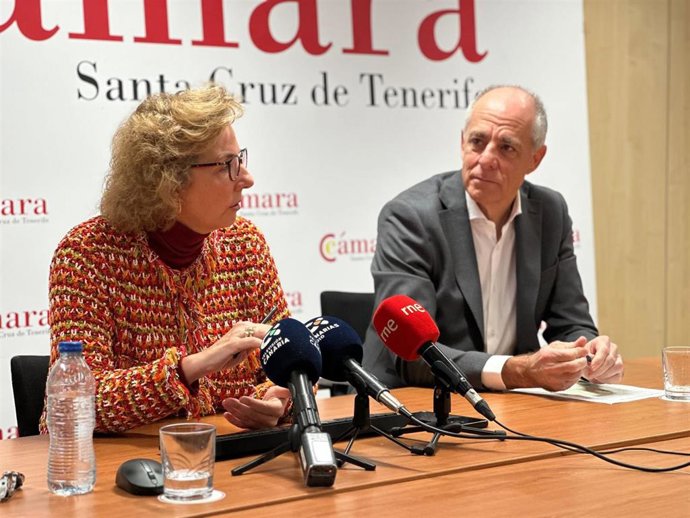
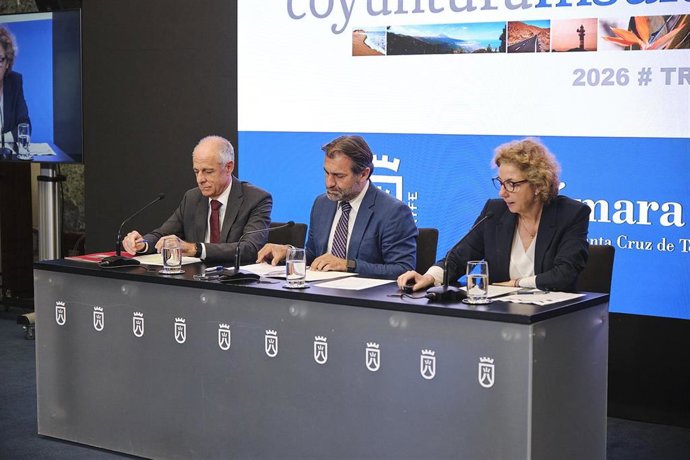
These conclusions are drawn from the Economic Situation Bulletin for the first quarter of the year, prepared by the Cabildo in collaboration with the Chamber of Commerce of Santa Cruz de Tenerife. The report was presented on Friday by Councillor for Industry, Manuel Fernández, the Chamber’s president, Santiago Sesé, and the director of the institution, Lola Pérez, as detailed in a statement from the entity.
The island is expected to maintain its sustained growth due to the robust labour market and the strength of the service sector. However, the productive fabric shows signs of “logical caution” owing to global factors such as accumulated inflation, rising operational costs, and a slight moderation of internal consumption.
The most significant data is concentrated in the labour market: Tenerife has reached its highest employment figure in history, with over 460,000 people employed according to the Active Population Survey. In parallel, the unemployment rate has decreased to 8.76%, the lowest in two decades (since June 2007) and almost three points below the regional average (11.4%).
Councillor Manuel Fernández evaluated the resilience of the island’s economy as “very positive,” particularly emphasising advancements in productive areas. “We are witnessing historic employment figures that demonstrate the strength and dynamism of the sectors leading the island’s development,” he added.
He specifically highlighted the industrial sector, which saw an increase of 447 new jobs, while the service sector “has broken through the barrier of 23,000 active businesses for the first time since the pandemic,” a figure that indicates Tenerife “generates confidence for investment.”
STRUCTURAL CHALLENGES
The president of the Chamber of Commerce of Santa Cruz de Tenerife, Santiago Sesé, pointed out that the data confirms Tenerife continues to lead the Canary Islands economy, with very favourable indicators in employment, affiliation to Social Security, and business activity.
He highlighted the island’s unemployment rate of 8.8%, which significantly improves the regional average of 11% and reflects the dynamism of the local productive fabric.
However, Sesé noted that the island still faces significant structural challenges, such as the difficulties companies encounter in filling certain job vacancies and the need to encourage greater investment to sustain economic growth.
“We have reasons to be pleased with the evolution of the Tenerife economy, but we cannot ignore issues such as the shortage of professionals in some sectors or the investment deficit we are experiencing. These are matters we must address to ensure the competitiveness and future development of the island,” he stated.