Canary Islands Health Service Prepares for Pope’s Visit
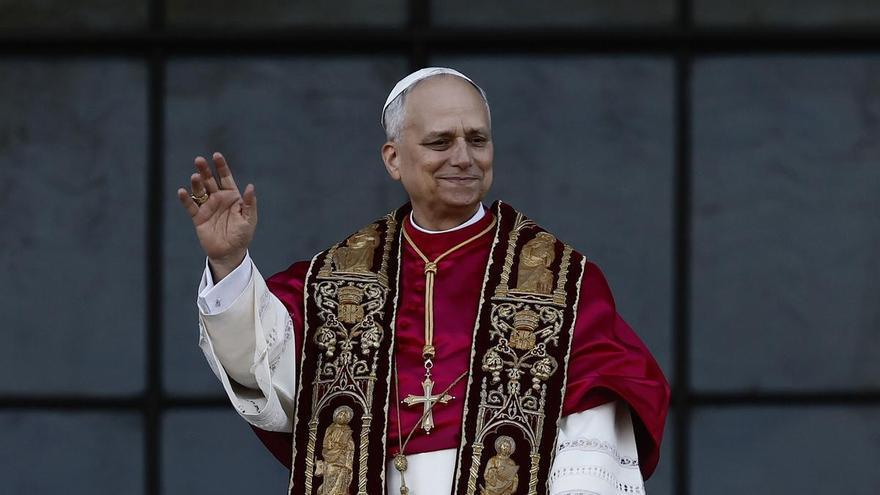
The Health Department of the Government of the Canary Islands has established a special protocol to ensure healthcare during Pope Leon XIV’s visit to the Canary Islands. This reorganisation will temporarily affect health centres and hospitals in Gran Canaria and Tenerife, where mobility restrictions and a high influx of visitors are expected due to the scheduled events.
Health Centres Will Remain Open with Prioritised Telephone Assistance
In Primary Care, affected health centres will continue their operations. However, due to the mobility restrictions, priority will be given to telephone consultations. Each centre will inform patients when an originally in-person consultation will be conducted over the phone.
The Health Department explains that this reorganisation is designed to consider the expected roadblocks, access limitations, and mobility changes during the pope’s visit. Care will be prioritised based on clinical urgency and real access possibilities to each health facility.
Furthermore, human and material resources have been strengthened, as well as coordination mechanisms among Primary Care, hospitals, and emergency services.
Fourteen Centres Affected in Tenerife
In Tenerife, the reorganisation will take effect on Friday, 12 June, the day Pope Leon XIV visits the island. The Primary Care Management has rearranged activities in fourteen affected health centres along the route of the papal delegation and the scheduled events.
The included health centres are:
- Laguna-Mercedes and Laguna-Universidad
- San Benito
- Finca España
- La Cuesta
- Tíncer
- Taco
- Barranco Grande
- Ofra
- Los Gladiolos
- Barrio La Salud
- Dr. Guigou
- Toscal
- Anaga
Hospitals Will Operate as Normal
Hospital activities in Gran Canaria and Tenerife will continue as usual during the affected days: 11 June in Gran Canaria and 12 June in Tenerife. Nonetheless, to facilitate mobility, the Health Department will reschedule non-urgent transport-based consultations and rehabilitation sessions.
Transfers of patients with scheduled rehabilitation treatments or external appointments will be suspended on these days in the affected islands. However, this service will remain unaffected in the rest of the Archipelago.
Non-urgent medical transport is a service that facilitates the movement of patients who cannot use conventional transport to attend treatments, consultations, or return home after hospital discharge. In the Canary Islands, this service is coordinated by the Canary Emergency Service through the Transport Board.
Vital Treatments Will Be Guaranteed
This temporary suspension will not affect patients needing vital treatments. The Health Department guarantees transfers for those attending ongoing sessions of haemodialysis, chemotherapy, radiotherapy, or visiting the oncology day hospital.
Transfers between health centres and movements resulting from hospital discharges will also continue. However, the Health Department warns of potential delays, particularly when routes coincide with traffic disruptions or access challenges arising from the presence of Pope Leon XIV.