As thousands gaze upon the spaces prepared for the visit of Pope Leo XIV to Tenerife, many will likely focus on the altar, the large canopy erected at the port of Santa Cruz, or the venue from which he will preside over the celebrations. However, behind each of these elements lies a less visible story: that of the artisans, workers, and small Canarian businesses who have made it possible through a race against time, laden with significant symbolism.
Because every great architecture has its own names. Some appear on the blueprints; others remain in the workshops, on the scaffolding, or at the foot of the machines. They are the hands that turn an idea into reality.
A Collective Work
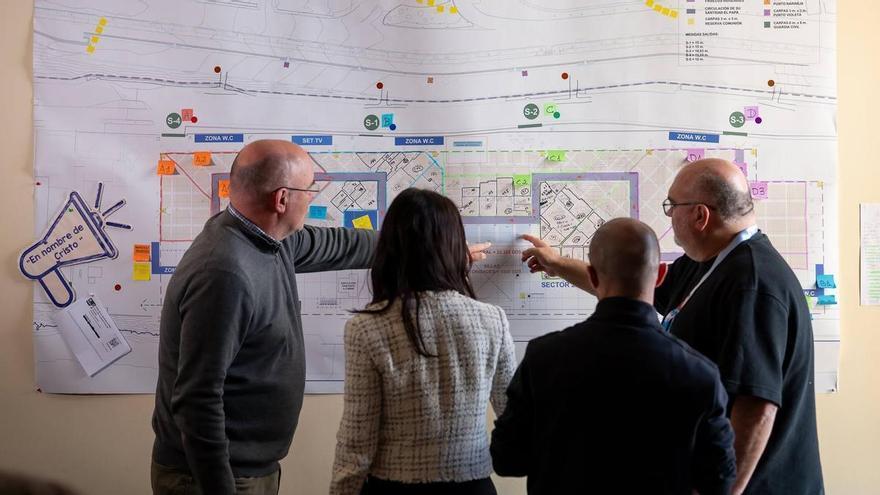
Architect Alejandro Beautell, responsible for designing the two main spaces related to the papal visit—the Plaza del Cristo in La Laguna and the dock at the port of Santa Cruz de Tenerife—makes it clear: architecture is never an individual effort.
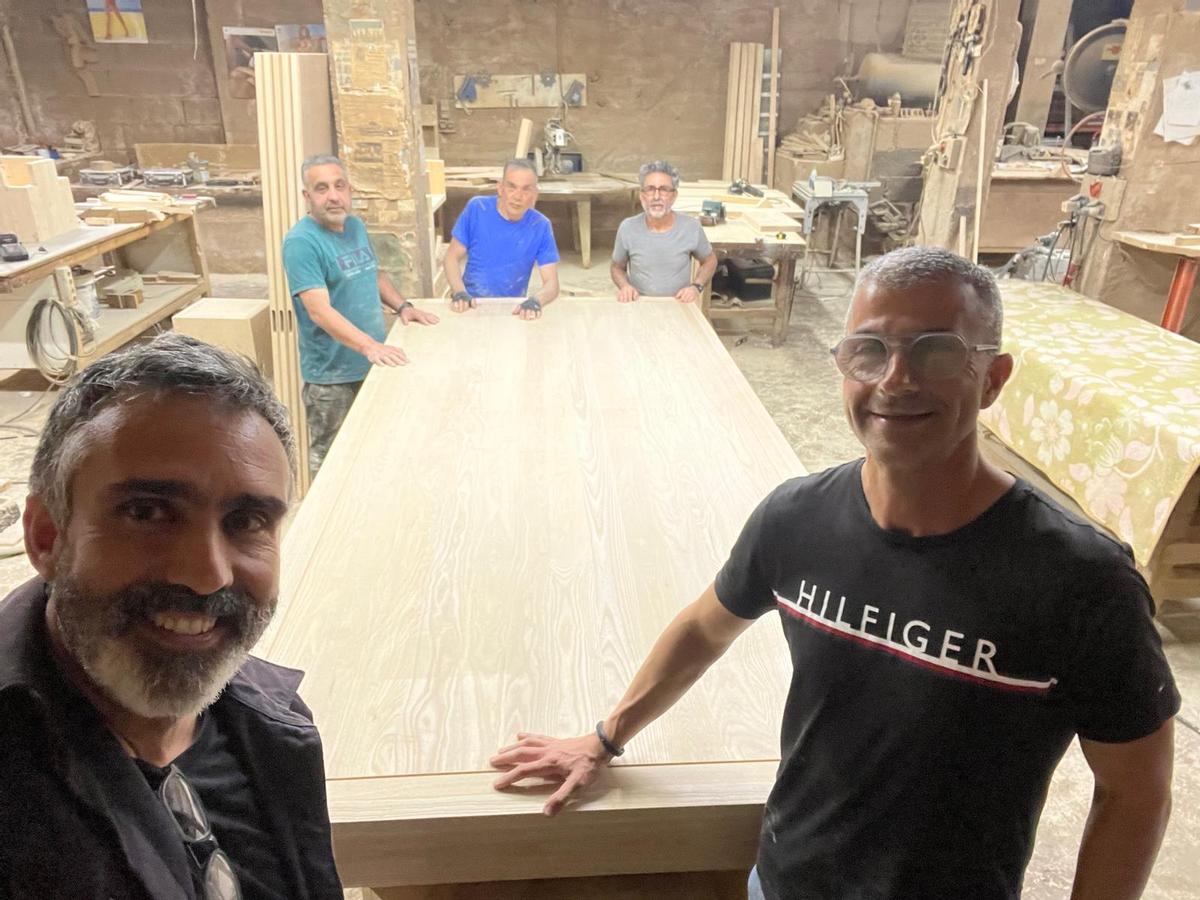
Team of architect Alejandro Beautell responsible for bringing the blueprints to life. / El Día
“Architecture is a collective labour. An architect thinks and designs, but it is others’ hands that construct what one imagines,” he explains at the end of one of the most intense working days in recent weeks.
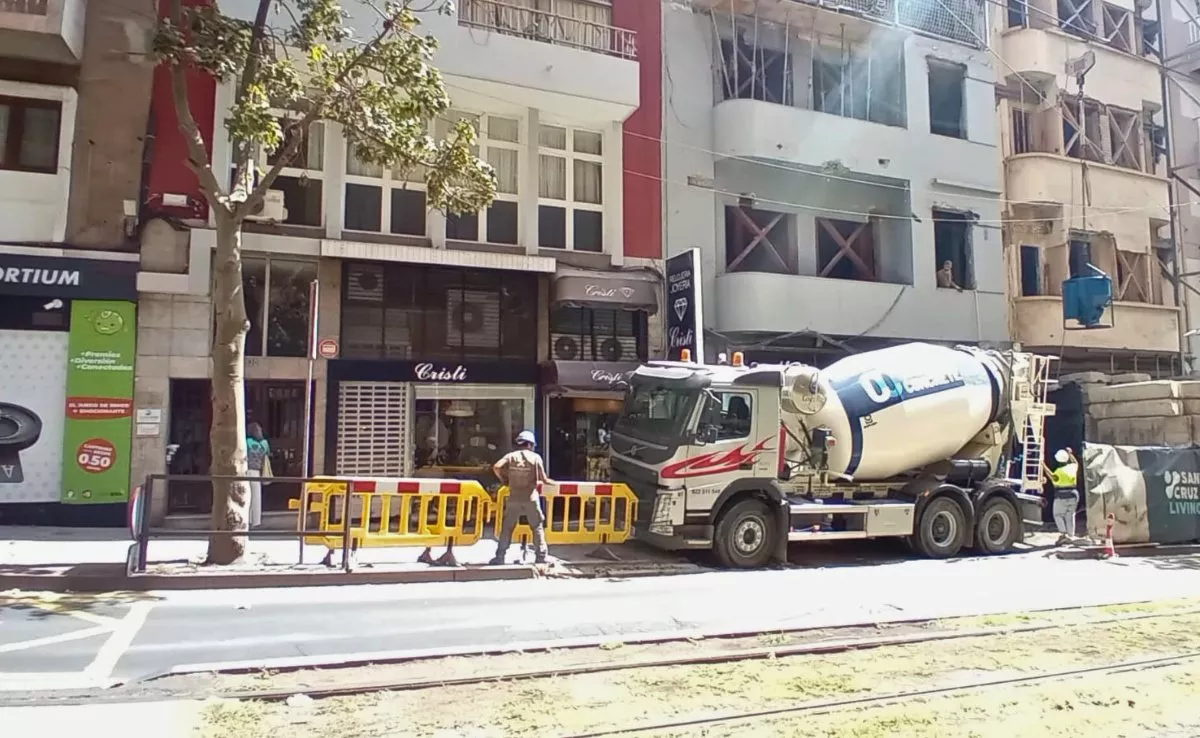
The recent installation of the large metal canopy at the port is a structure of 28 metres span and over 30 tonnes of steel, representing precisely that reality. Behind it lies the coordinated effort of professionals from various fields who have worked for weeks to meet the deadline for one of the most significant events to take place in the Canary Islands in recent decades.
Beautell particularly highlights the work of his small studio team. Flavio, Théo, Federico, Javier, and Patrycja—his wife—have shared the process from the very beginning.
“They took it personally. And that changes everything,” he summarises.
The Carpenter of the Pope
However, if there is one figure that particularly embodies the project’s artisanal character, it is that of carpenter José Daniel Hernández Ruiz, who hails from Los Realejos.
In his workshop, some of the most significant pieces for the papal visit have been created. Twelve unique elements made from ash wood, designed by Beautell’s studio, are now part of the scenery that will accompany the Pontiff during his stay in the Canary Islands.
These include the throne of Leo XIV, the chairs intended for the concelebrating bishops, the grand altar measuring 3.20 metres by 1.40 metres, and the lectern from which the Word will be proclaimed.
Time-Pressured Craftsmanship
The execution of these pieces has taken place in an extraordinarily short timeframe.
Frequent visits between the workshop in Los Realejos and the architectural studio in El Toscal have facilitated adjustments to designs, resolved details, and expedited the manufacturing processes.
For Beautell, the outcome demonstrates that craftsmanship remains capable of responding to contemporary challenges.
“They have done it in a time that would be impossible under normal circumstances, and I believe the result is up to what this moment demands,” he points out.
The decision to work with local workshops was not coincidental. The architect acknowledges that he deliberately chose small Canarian businesses and professionals, convinced that artisanal knowledge remains one of the great values of the Archipelago.
A Canopy of Thirty Tonnes
Alongside wood, steel has also become a key player in the project.
The company Soldavi, led by Aquilino Dorta, took on the challenge of constructing the enormous canopy that will preside over one of the primary stages of the papal visit.
The structure, of exceptional dimensions, was erected in just two weeks, a timeframe that many considered practically impossible.
Among the individuals Beautell particularly admires is Piko Zárate, whom he describes as one of those who can find energy when fatigue seems to take over.
Alongside him worked professionals such as Jony, Jaime, Sergio, and Alberto, integrated into a team that turned technical difficulties into a display of skill and commitment.
Much More Than a Piece of Architecture
The list of acknowledgments extends to painters, gardeners, transporters, safety technicians, and logistical coordinators.
Here you’ll find names like Paco, who was responsible for supplying gravel and stones; Manuel Asensio and his security team; Fran Vera, linked to the work carried out at the dock; as well as Espectáculos Tenerife, the Port Authority of Santa Cruz de Tenerife, the Cabildo de Tenerife, volunteers, and numerous anonymous collaborators.
All of them are part of a project that transcends architectural achievement to become a collective island initiative.
Handcrafted Architecture
Perhaps the key to understanding this story lies in Alejandro Beautell’s very way of working.
The architect champions a style of practice that is becoming increasingly rare: hand-drawing, constructing models, constantly visiting the site, and making decisions directly on the ground.
“I see the craft of architecting as a form of craftsmanship,” he affirms.
This philosophy explains the connection he maintains with carpenters, blacksmiths, welders, and other traditional craftspeople. They all share a common understanding of work: attention to detail, care for materials, and the conviction that important things are built step by step.
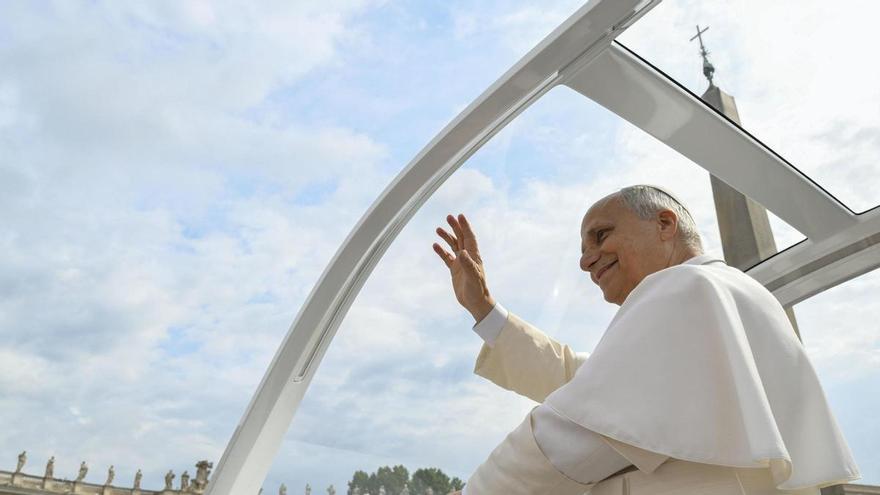
When Leo XIV occupies his seat or celebrates the Eucharist at the altar built for the occasion, many will see only the final result. But behind each piece will remain the mark of those who made it possible.
For this is also a story about the Pope’s visit. A story of cabinetmakers, welders, gardeners, technicians, and volunteers. The story of the true artisans of the Pope, the Canarian hands that have turned a project into reality.