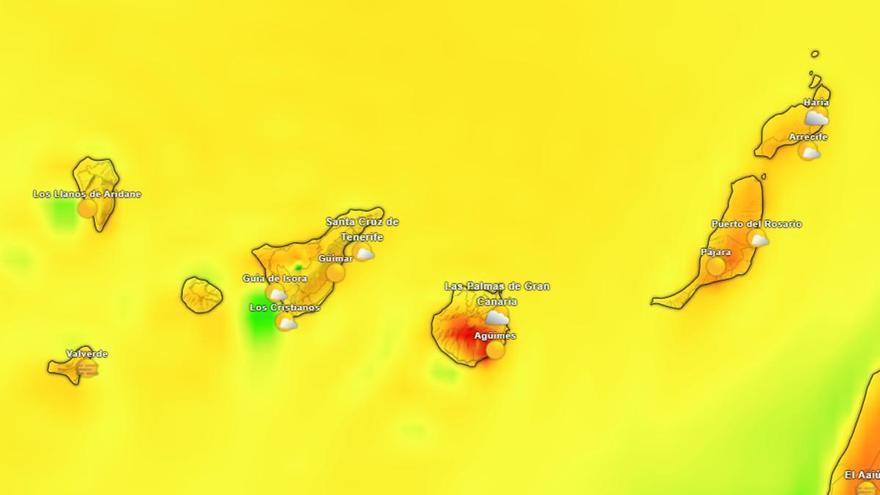
Canary Islands has once again found itself on the annual ‘black flags’ list published by Ecologists in Action, which highlights coastal areas in Spain facing serious environmental issues. For 2026, the archipelago received four negative distinctions, split between the provinces of Santa Cruz de Tenerife and Las Palmas. Nationwide, the organisation marked a total of 48 locations as problematic, awarding two black flags to each coastal province—one for pollution and another for mismanagement.
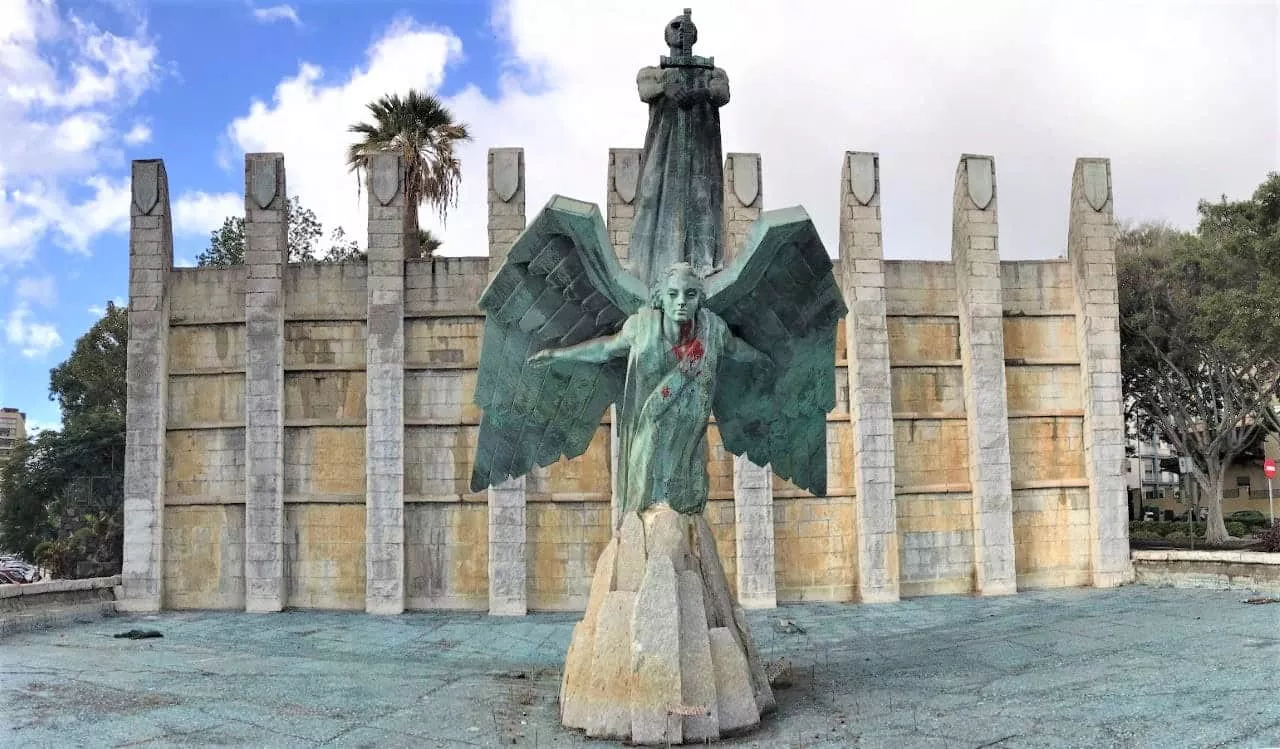
In Santa Cruz de Tenerife, the pollution black flag goes to Las Teresitas, where Ben Magec-Ecologists in Action reports a “severe abandonment planned for decades.” The area suffers from uncontrolled urban waste dumping, private occupation of public spaces, inadequate infrastructure, and deteriorating natural and cultural heritage.
The mismanagement flag, for the third consecutive year, is again awarded to the controversial Cuna del Alma project in Adeje. The organisation notes that construction resumed in November 2024 despite lacking an environmental impact assessment and facing five legal suspensions. They accuse the project of breaching environmental and urban regulations, with several ongoing court cases linked to its execution.
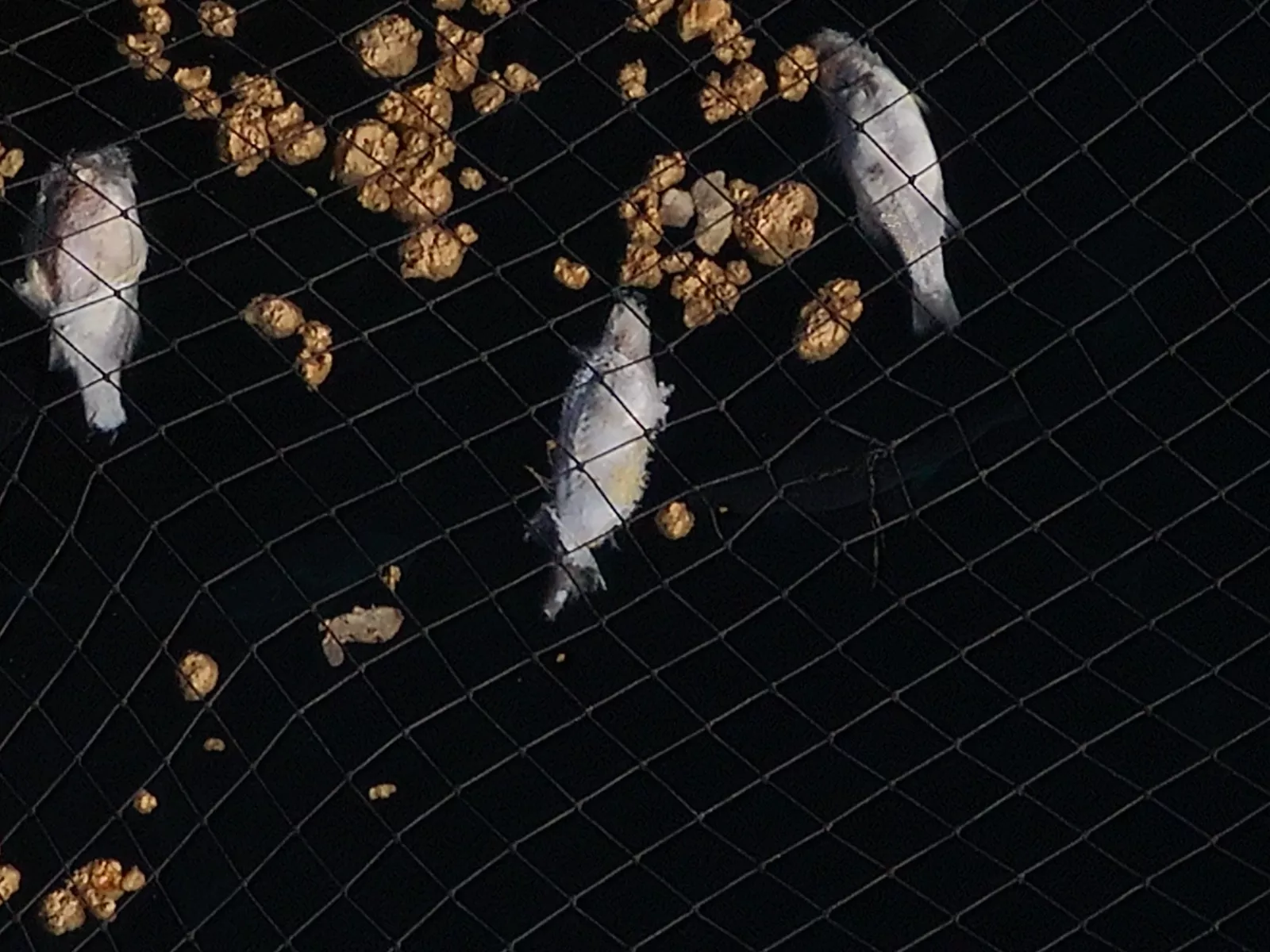
In Las Palmas, the pollution black flag highlights the aquaculture cages off Telde’s coast, where chronic waste discharges and occasional significant environmental damage have been noted. Notably, a massive die-off of seabass in 2025 required the closure of local beaches such as Melenara and Salinetas, worsening contamination along the Gran Canaria coast. Ben Magec stresses these issues are longstanding, with complaints dating back to 1999.
The second black flag for mismanagement in Las Palmas targets the cruise industry in Arrecife, Lanzarote. Ecologists in Action argues that the economic benefits do not outweigh the social and environmental costs. With predictions of 700,000 cruise visitors expected by 2026, the strain on Arrecife could significantly increase, potentially doubling the local population on busy days and threatening protected areas like Timanfaya National Park.
Ben Magec notes that the Canary coastline exceeds 7,000 kilometres, and these four flags only represent the most pressing issues found this year. The organisation calls for stronger enforcement of marine waste regulations, better protection for public marine-terrestrial domains and Special Conservation Areas, and the establishment of new marine reserves. They also welcome the definitive cancellation of the Underwater Gardens project and the reopening of Playa Jardín in Puerto de la Cruz, while warning that several actions are still pending according to the Stop Waste Platform.