ALS: The Hidden Costs
Amyotrophic Lateral Sclerosis (ALS) is a neurodegenerative disease that not only impacts the physical and social aspects of those affected but also exerts a heavy financial burden. According to neurologist Helena Pérez from the University Hospital of the Canary Islands (HUC), speaking at the event ALS in the Canary Islands: Knowledge to Progress. Science, Care, and Socio-Health Commitment, the average annual cost of this condition per family and patient amounts to €50,000. This means that from the moment of diagnosis, each household faces expenses of at least €150,000 to cover care, home adaptations, and specialised support required for the disease. However, given that the average life expectancy for someone with ALS is between three and five years, costs can reach up to €250,000, depending on the individual’s progression.
“It is true that the first year following diagnosis incurs lower costs—around €30,000—because the patient still retains some autonomy,” explains Pérez, who also coordinates the HUC’s ALS team. “But as time goes on, the individual requires increasingly more resources. It is a disease that quickly establishes significant disability, necessitating help for basic needs and compelling adaptations to their environment,” she recalls.
Adapting the Environment for Living
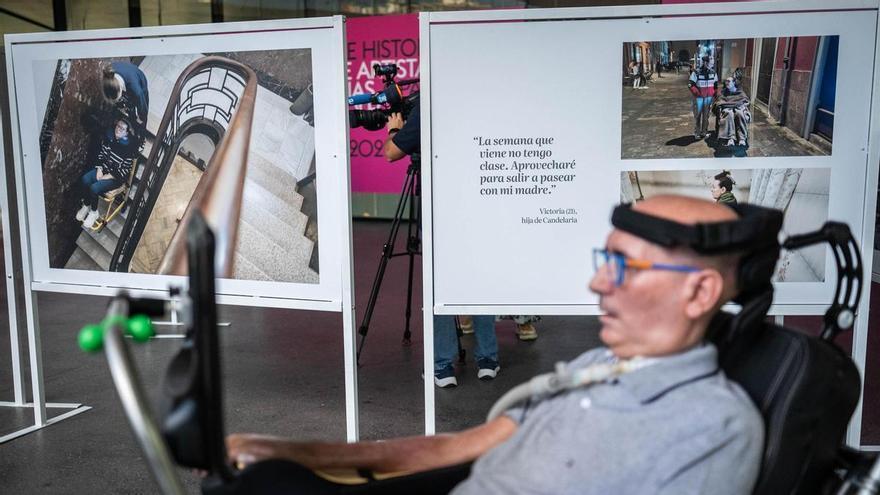
In this context, modifying spaces such as bathrooms or staircases and acquiring support products like wheelchairs or adapted vehicles become part of daily life. “Moreover, not only the patient but also other family members may have to leave their jobs,” she points out. This can lead to the loss of multiple income sources within the household, resulting in average annual costs of the illness reaching €100,000 in advanced stages. “It is a social and familial earthquake that brings gradual losses and becomes very costly,” she adds.
While there are aids available, such as those linked to the new Grade III+ of dependency—which includes financial support of up to €9,000 per month—these are not always sufficient to cover all the needs arising from the illness. In this context, associations like Teidela play a vital role in facilitating life for these patients and their families. “Patients bear the brunt of this illness, and while we healthcare professionals try our best, support from organisations is crucial,” Pérez confides.
130 Individuals with ALS in the Canary Islands
In Canary Islands, although there is no official registry for the disease, neurologists estimate that around 130 individuals suffer from ALS. “This figure tends to remain stable because, while new cases are diagnosed each year, an equal number of individuals also pass away. That is the significant difference compared to other neurodegenerative disorders in terms of survival,” she explains.
Currently, the only approved drug for treating ALS is riluzole, which extends life expectancy by three to six months. Nevertheless, Molefy Pharma, a spin-off of Arquimea Research Center based in Tenerife, is developing a new drug, AP2, which promises to slow the progression of the disease and stabilise it, potentially increasing life expectancy for these patients. It is currently undergoing initial safety and pharmacokinetic studies in healthy volunteers. “The initial findings have been favourable, and we are working diligently to achieve results as quickly as possible,” reveals chemist Ana Martínez from the Spanish National Research Council (CSIC).
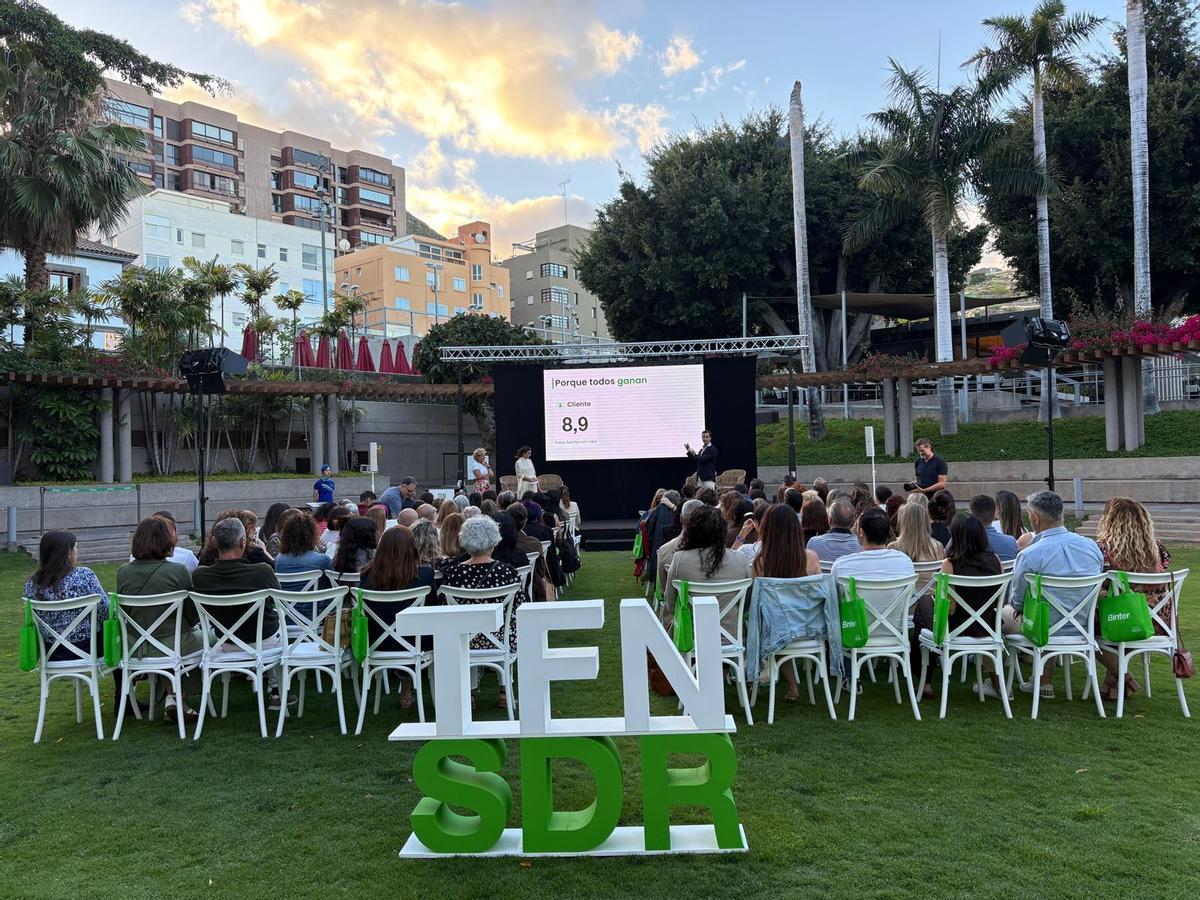
Martínez also participated in the same event as Pérez, bringing together professionals from various fields to discuss topics such as the incidence of this disease, its symptoms, diagnosis, living with ALS, and research into new treatments.