Protests Erupt at University of La Laguna Over Exam Reform
Students at the University of La Laguna (ULL) are in uproar. Their discontent erupted earlier this week when the Student Council, alongside other student organisations, posted a statement on social media warning that July exams were contingent on a vote in which students were in the minority. A faculty representative on the Statutes Reform Commission proposed to remove one of the extraordinary exam sittings and instead enhance continuous assessment. This proposal, though not welcomed by students, is set to be discussed at the upcoming Claustro meeting on Tuesday, 23rd June.
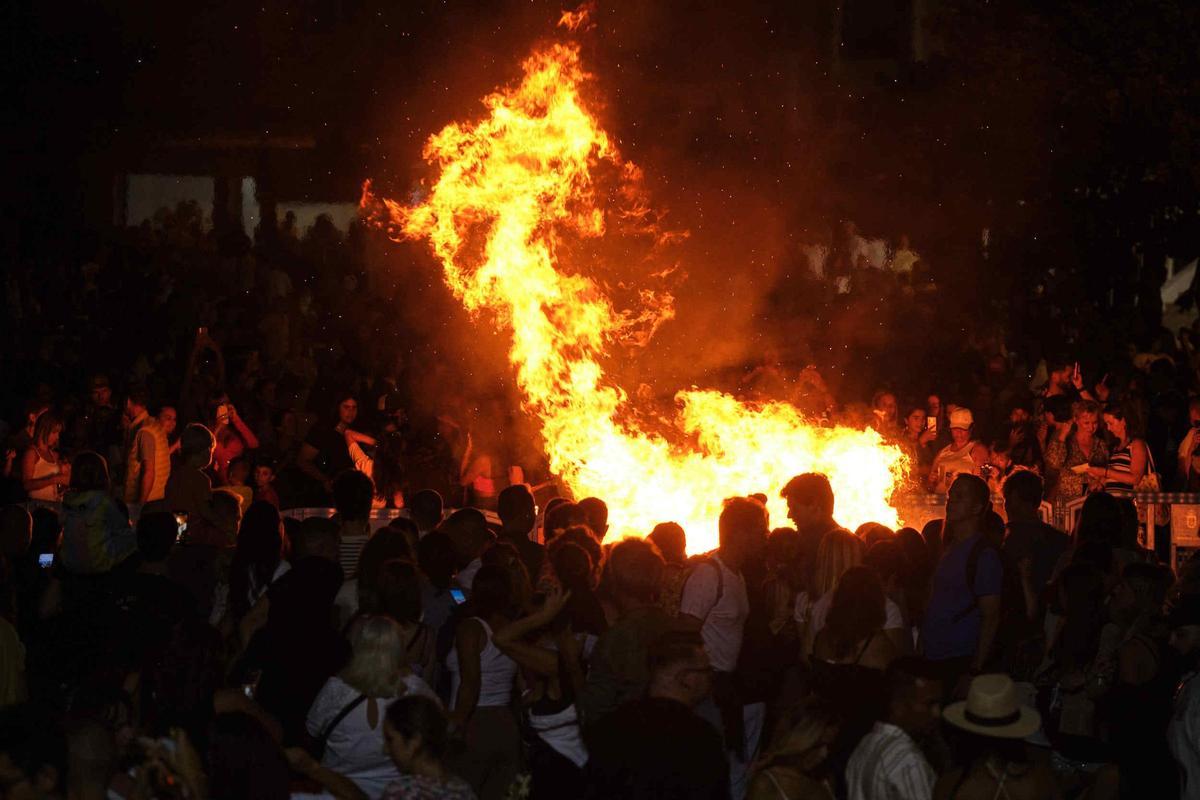
Students argue that losing this assessment opportunity would be a regression in their rights and began protesting. Initially, they took to social media with various posts and a petition that has garnered support from over 6,000 members of the educational community. On Friday, they escalated their actions with a demonstration outside the Rectorate in the city centre.
Concerns Over Statute Reforms
The University of La Laguna is currently undergoing a reform of its statutes, the main regulations governing the institution’s operations. This update was initially presented as an adaptation to the Organic Law of the University System (LOSU). However, students claim that during its drafting, proposals have been introduced that “go far beyond mere regulatory adaptation”.
In particular, they express concern about the proposal regarding the evaluation system, which would mean replacing the existing two extraordinary exam sittings (June and July) with a single exam period. Here are five key points to better understand the conflict.
What Options Are Being Debated?
Article 106, which has sparked the controversy, offers two options: maintain the current evaluation scheme (two extraordinary sittings and three evaluations in total) or reduce one sitting and enhance continuous assessment (two sittings and two evaluations). Until now, students have had three opportunities to pass a subject: the ordinary sitting – held in January or May, depending on the semester – and the two sittings of the extraordinary sitting – June and July. The Claustro will need to decide whether to retain this model in the new statutes or eliminate the last evaluation, with the alternative being an enhancement of continuous assessment.
Are These Exams Important?
For many students, especially those studying Law or Labour Relations, there is no continuous assessment; their entire mark relies on a single exam. Losing one sitting could mean that instead of passing the subject during the course, they may need to pay for a second enrolment and take the exam the following year.
This controversy has achieved something uncommon in university settings: unity among all student representatives. “All representatives from the Claustro groups, the Student Council, and the 23 delegations have come together for this protest,” stated the Council’s president, Bentchey Martín. He explained that their goal with these protests is to convey that “they are fed up” with cuts to their rights. Alongside the demonstrations, they have initiated a virtual petition that has already seen participation from over 6,000 students – accounting for 30% of the total.
Why Are Students Protesting?
In the Claustro, student representation is outnumbered by faculty, leading to fears that this initiative could pass even against their votes. Students also believe that losing an exam opportunity equates to “losing a right won decades ago.” They called for the rector to speak out in their favour, urging intervention to prevent the measure from going to vote. However, the response from the university’s highest academic authority was not what they had hoped for.
Why Won’t the Rector Intervene?
The rector of ULL, Francisco García, has repeatedly stated that the responsibility for drafting the Statute lies with the Claustro, and not the rectorate. “We cannot and should not intervene; what we do convey is that, whatever happens, we will establish a close relationship with the students to listen to them and ensure that the framework that is ultimately approved is fair,” he detailed. In this regard, he noted that all this controversy should serve to open a process of reflection on the best evaluation methods. “It is a profound debate that goes much further; results would need to be monitored,” he added.
What Could Happen on Tuesday 23rd?
During the upcoming Claustro session, scheduled for Tuesday, 23rd June, “anything is possible”. To pass the Statute, it requires 126 votes in favour, which means a simple majority plus one. Therefore, it is not even certain that the new regulation will be approved.