Tragic Arrival: The Pope’s Visit and the Ongoing Migrant Crisis
“The day they were going to kill him, Santiago Nasar got up at 5:50 a.m. to await the ship carrying the Bishop.” Gabriel García Márquez chose to begin Chronicle of a Death Foretold in this manner, revealing the conclusion of the novel in its opening line. Gabo’s masterpiece tells the story of a wealthy and arrogant young man who, despite everyone knowing the danger he faces, meets his end at the hands of the Vicario brothers just outside his home. The murder unfolds with the knowledge and negligence of the townspeople, who fail to warn Santiago Nasar of the grim fate awaiting him after the Bishop’s visit. Some are too ashamed, others are afraid, and many simply cannot believe that the young man is unaware that Pedro and Pablo Vicario have informed the entire neighbourhood of their intentions to kill him that very morning.
The Bishop of Rome in La Laguna
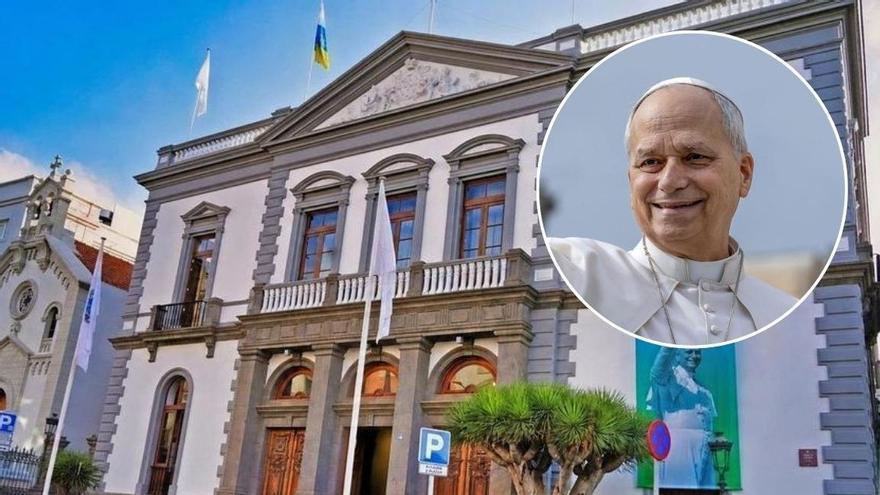
The exact location of Nasar’s town remains a mystery. It is believed that García Márquez was inspired by the Colombian town of Sucre, where he lived for many years and where a similar event occurred. As a colonial city, the streets of Sucre closely resemble those of La Laguna. It is pleasant to imagine Chronicle of a Death Foretold set in La Laguna. Its broad, cobbled streets and whitewashed post-colonial buildings are likely how Gabo envisioned his setting. Like Santiago, the entire town of La Laguna has awakened this morning, long before sunrise, to witness the arrival of the Bishop from Rome.
The Deadly Route
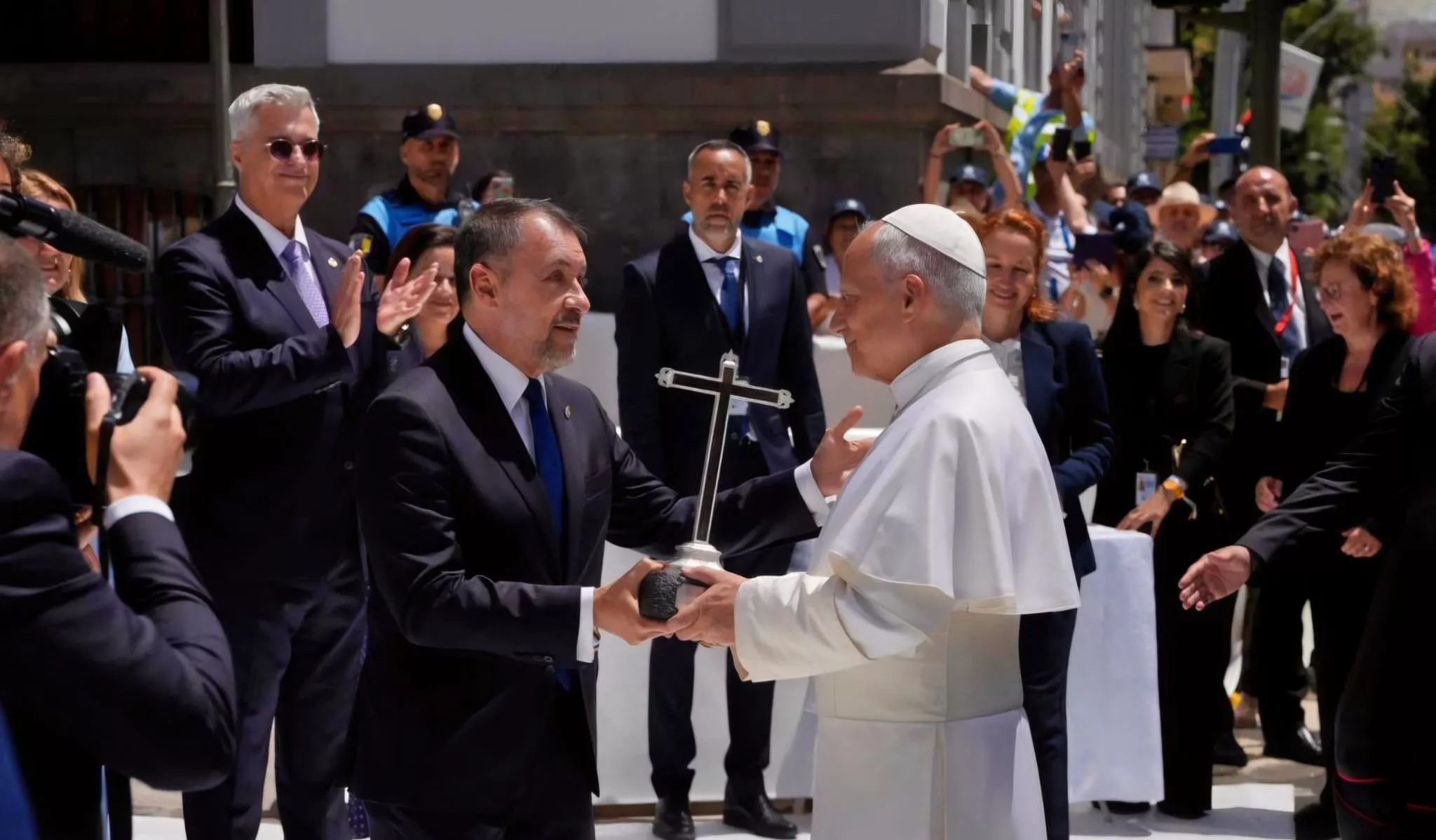
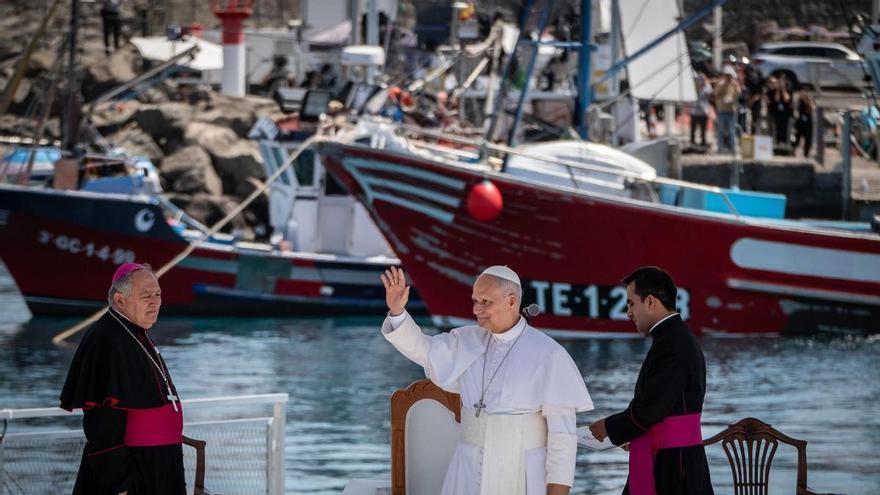
Pope Leo XIV arrived in Tenerife this Friday and visited Las Raíces and the City of the Discoverer to witness firsthand the migrant drama that claims so many lives at sea. Migrants travel thousands of kilometres, on foot and by boat. They embark on unstable rafts, navigating for days and nights in search of a better future. Some succeed, but many, like Santiago Nasar, find themselves at the threshold, with few unaware of the risks involved.
The Atlantic Route is one of the deadliest in the world. The tragic chronicle of many is written before they set sail from Senegal, Mauritania, or any of the African ports from which they embark.
Meeting with Migrants
Pope Leo XIV feels a debt to the Canary Islands. This obligation was not his own, but was created by Pope Francis, who promised to visit the archipelago to highlight the migrant crisis. Father Prevost has fulfilled that promise. This Friday, in Aguere, after visiting the migrant centre in Las Raíces, the Pope gathered 3,000 people in La Laguna to preside over an event where he listened to the testimonies of Darwin Rivas, Thalia Saldarriaga, Khalid Allad, and Mbacke Ndiaye—four individuals who arrived in Tenerife from different countries: Venezuela, Colombia, Morocco, and Senegal.
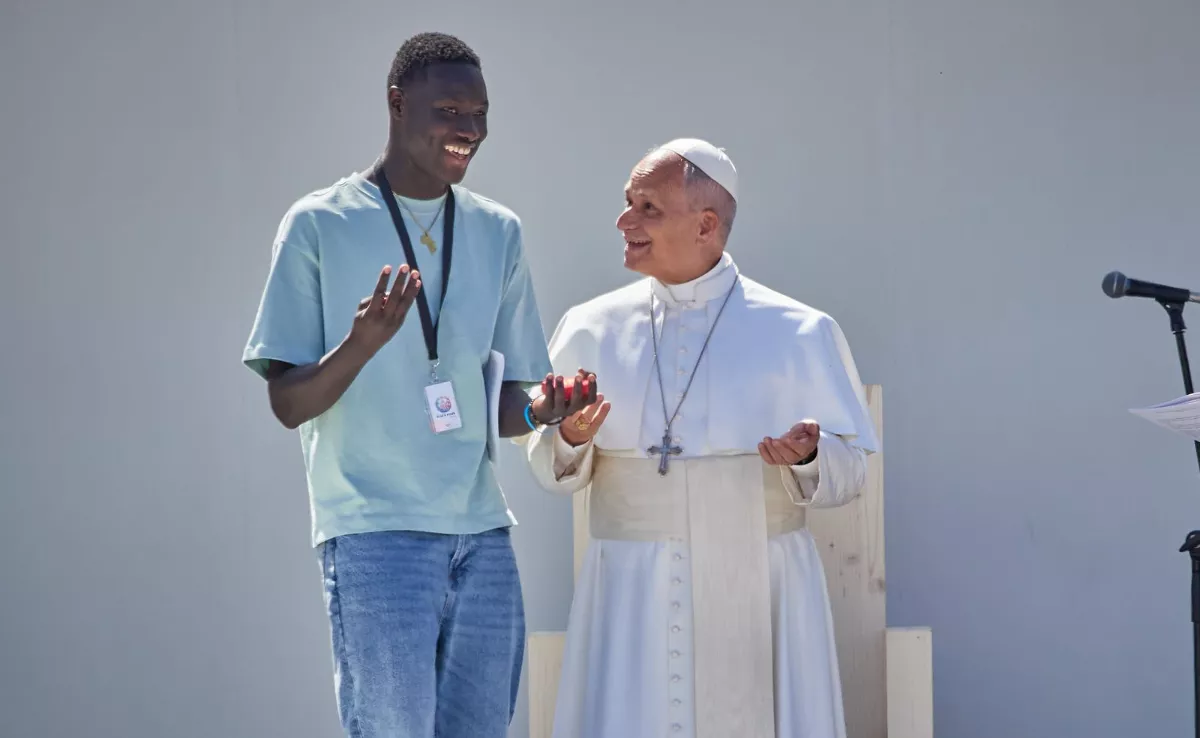
Among them, Mbacke, who is 20 years old, reached the Canary Islands on a raft two years ago in September 2024. Thanks to the Buen Samaritano Foundation, he found not only shelter and food but also “respect, patience,” and people who valued him for who he is.
A ‘Six Seven’ with the Pope
Mbacke recited a poem he wrote to Pope Leo XIV, but perhaps the most genuine gesture he made was the viral hand sign he shared with the pontiff. This moment deserves more than anecdotal mention, as such a simple action demonstrates that Mbacke and his companions, rather than being the dangerous minors that some extremist narratives suggest, are simply young people with the innocence to share a moment of joy with the Pope. Like any other youth—something parents and teachers will recognise—Mbacke did not care that he was in the presence of the Supreme Pontiff, the Holy Father, or the Vicar of Christ. A ‘Six Seven’ is an adolescent gesture that dispels prejudice and humanises the boy who faced the peril of the raft and his Holiness.
This image serves as a reminder that behind the statistics of arrivals in the Canary Islands are thousands of individual stories and dreams. These are ordinary people, concerned about the same things as anyone else, behaving as all humans do.
An Ingrained Crisis
Since 2020, over 140,000 people have arrived in the Canary Islands in boats, primarily driven by political and economic instability in their home countries and the climate crisis. Deceived by trafficking gangs, many end up drowning in the Atlantic. Approximately 25,000 have died since the onset of the migration crisis, victims of despair, hunger, thirst, or drowning. Among these migrants, nearly 20,000 were children and adolescents. At one point, the Canary Islands accommodated nearly 6,000 of them simultaneously between the summer and autumn of 2024.
It was not until March 2025 that the Spanish government unlocked the distribution of minors among Autonomous Communities by amending the Immigration Law through Royal Decree. During this period, 11 Autonomous Communities, governed by the People’s Party, expressed their complete rejection of the distribution of minors, deeming it “unilateral” and “sectarian.”